China Best Biometric Security System Manufacturers
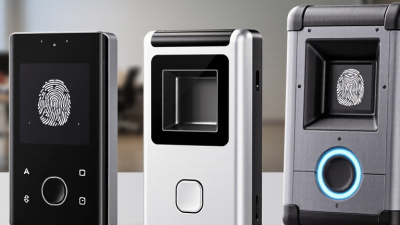
China’s biometric security market includes manufacturers serving offices, factories, campuses, residential projects, and public facilities. Their products may combine fingerprint readers, facial recognition terminals, palm scanners, access controllers, and management software. A Biometric Security System can make entry faster and help teams manage credentials across multiple doors. It also raises practical questions about installation, maintenance, data handling, and compatibility.
Choosing a supplier takes more than comparing catalog photos or quoted prices. Buyers should examine product specifications, supported protocols, environmental ratings, update policies, and available technical support. Ask how the system performs under dim lighting, dusty conditions, or heavy daily traffic. A demonstration at a real doorway can reveal details that a brochure cannot. Small details matter. For example, confirm whether enrollment can be completed locally and easily.
This guide introduces leading Chinese manufacturers and the factors that help distinguish their offerings. It considers product range, customization, integration experience, quality controls, and service after delivery. These indicators do not guarantee a perfect fit. A capable supplier may still offer a product that does not match a project’s network, privacy requirements, or user needs. That is worth questioning. Readers should verify current certifications, test sample equipment where possible, and confirm support terms directly with each company. The right choice depends on the site, users, budget, and required level of security—not on a ranking alone.
What Are Biometric Security Systems?
What Are Biometric Security Systems?
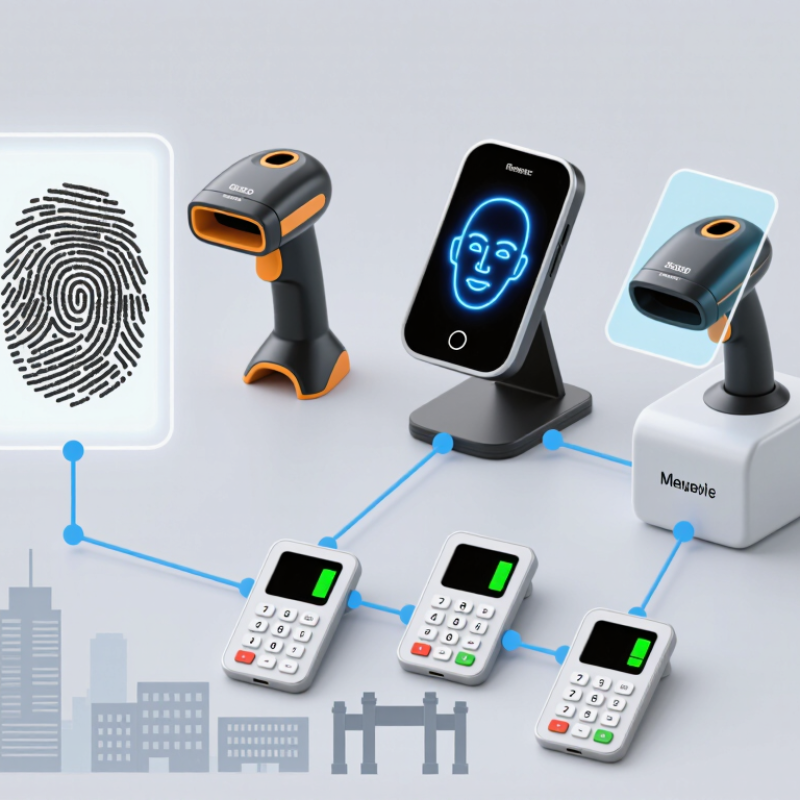
Biometric security systems verify or identify people using measurable traits, such as fingerprints, facial features, iris patterns, or voice. A reader or camera captures a sample, then software compares it with an enrolled reference template. For access control, a successful match may unlock a door, release a turnstile, or permit sign-in. Many systems verify a claimed identity rather than searching every enrolled record.
They are not magic. Sensors can misread a wet finger, glare on glasses, or a changed voice.
A reliable installation needs more than a matching algorithm. It also depends on careful enrollment, protected data handling, clear retention practices, and a fallback method when a sensor fails. That detail matters. A bright lobby differs from a dim warehouse, and gloves can affect fingerprint readers.
Manufacturers should explain measured accuracy, false acceptance and rejection rates, environmental limits, and maintenance needs. Test results can vary across users and conditions, so figures need context. A careful buyer asks how biometric templates are protected and how software updates are checked.
Biometrics can speed up entry, but they cannot remove every security risk. Even a well-designed system needs trained operators and periodic review.
Key Biometric Technologies Used in Security
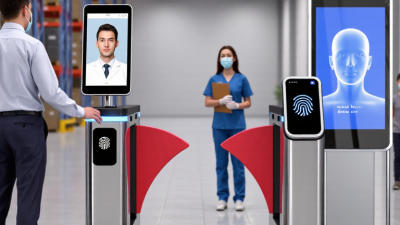
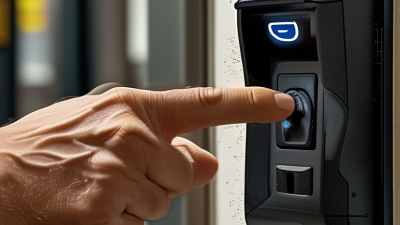
Biometric security systems verify identity through physical or behavioral traits. Fingerprint readers are common at doors and time clocks. Their compact sensors fit beside a keypad, but wet, dusty, or worn fingers can trigger repeated retries. Facial recognition supports hands-free entry in busy reception areas. A bright window behind a visitor may reduce image quality, so camera placement matters.
Iris recognition reads detailed patterns around the eye and can work without touching a sensor. Palm-vein systems use near-infrared light to detect patterns beneath the skin. Multimodal systems combine methods, such as face and fingerprint checks, when one signal is unclear. No method is flawless. Liveness detection may check depth or movement, but it should be tested under real operating conditions.
Choosing a system means considering more than matching speed. Check how biometric templates are protected, whether access events are logged, and what happens during a sensor failure. A practical fallback prevents a jammed reader from blocking legitimate access. Still, more sensors do not automatically mean better security. A small pilot at a real entrance can reveal lighting problems, slow queues, or confusing instructions that a clean demonstration may miss.
Key Biometric Technologies Used in Security
Selected biometric modalities covered by ISO/IEC 19794:2005 parts 2–10
Fingerprint has four modality-specific parts in this selection; face, iris, signature, vascular, and hand geometry each have one. Counts indicate standards coverage—not market share, security effectiveness, or adoption.
How to Evaluate Biometric Security Manufacturers in China
China Best Biometric Security System Manufacturers
How to Evaluate Biometric Security Manufacturers in China
When comparing biometric security manufacturers in China, ask for evidence you can reproduce, not a polished demo. NIST’s Digital Identity Guidelines, SP 800-63B, set a benchmark of a false match rate of 1 in 1,000 or better for biometric comparisons. Treat that as a baseline, not proof that a complete door-access system will perform equally well. Ask which sensor, firmware version, test population, and operating conditions produced the result.
Test the unit at your site. Try dry fingers, side lighting, masks, gloves, and busy entry periods where relevant. Record both false accepts and false rejects, plus average verification time. NIST’s Face Recognition Technology Evaluation reports show that error rates can vary across algorithms and demographic groups; request subgroup results for the exact model under review. No test is perfect.
Then inspect the less visible parts. Ask how biometric templates are encrypted, updated, backed up, and deleted, and request a data-flow diagram. Check whether the manufacturer supports independent penetration testing, secure firmware updates, and dated vulnerability notices. Speak with two comparable customers and verify service response times in writing. A short pilot is useful, though it can miss seasonal conditions. Keep raw results; sales slides are not enough.
Leading Chinese Biometric Security System Manufacturers
Leading Chinese biometric security system manufacturers are judged by more than sensor specifications. MarketsandMarkets’ Biometrics Market report forecasts growth from USD 47.5 billion in 2024 to USD 84.5 billion by 2029. This global forecast signals demand, not proof of any supplier’s performance. Important distinction.
For buyers, inspect how a manufacturer tests devices under real conditions: dim corridors, wet fingers, changing camera angles, and busy entryways. NIST’s 2019 Face Recognition Vendor Test assessed 189 algorithms from 99 developers. Its report found that false-match rates could vary across demographic groups and algorithms. That is easy to overlook. Ask suppliers for independent test results, error-rate details, and clear explanations of how data is stored and protected. A polished demo is not enough. Check whether access logs, firmware updates, and backup procedures are documented. Also confirm that devices integrate with the site’s existing access-control hardware. Chinese manufacturers differ in engineering depth and after-sales support, so factory scale alone tells little. The uncomfortable part: even a strong lab result may not predict performance at your entrance. Pilot testing on site remains worthwhile.
Applications and Emerging Trends in Biometric Security
China Best Biometric Security System Manufacturers
Applications and Emerging Trends in Biometric Security
Biometric security is moving beyond office doors. Airports use face matching at checkpoints, while hospitals use fingerprint or facial verification to control access to restricted rooms. On factory floors, contactless readers can reduce shared-key handling. Grand View Research valued the broader global biometrics market at $34.27 billion in 2022 and projected a 20.4% compound annual growth rate from 2023 to 2030. This estimate covers biometrics across applications, not security systems alone. Growth is encouraging, but it does not prove every deployment is worthwhile.
Emerging systems increasingly combine two verification methods, such as a face scan and a badge, when risk is higher. Liveness checks help distinguish a person from a photograph or screen image. Edge processing can also reduce the need to send raw biometric data to remote servers. Still, lighting, gloves, aging sensors, and poor enrollment can cause failures. Small details matter. A smooth demonstration is not proof of dependable performance in a crowded entrance.
Tips: Test readers in the actual setting, including dim light and peak traffic. Ask how biometric templates are protected, how long they are retained, and what fallback access is available. Compare error rates across relevant user groups; a single average can hide uneven performance. Review these results regularly, because conditions change after installation.