What Are the Top 10 Biometric Security Suppliers in China?
Choosing among the top biometric security suppliers in China requires more than comparing product catalogs. A fingerprint terminal may suit a small office, while a busy transport hub may need facial recognition, liveness detection, and reliable access-control integration. Biometric Security systems also depend on enrollment software, data handling, installation quality, and ongoing support. A polished device is only one part of the picture.
This guide introduces ten suppliers with activity in China’s biometric security market. It considers areas such as product range, technical capabilities, industry experience, customization, and service availability. These factors can help readers build a practical shortlist. They do not prove that one supplier is best for every buyer. Not always. Project needs differ by site, user volume, existing systems, and operating conditions. Ask vendors for relevant references, clear technical documentation, and demonstrations using realistic workflows. Check how devices perform under changing light, with protective equipment, or during peak entry periods. Those details matter.
A ranking can be imperfect. Public information may vary in depth, and supplier claims should be checked directly before purchase. Buyers should also review applicable privacy requirements and their organization’s security policies. The companies profiled here offer a starting point, not a substitute for careful evaluation. Use the comparison to identify questions, verify capabilities, and match each solution to a defined use case. That judgment takes work.
How Biometric Security Technology Is Used in China
What Are the Top 10 Biometric Security Suppliers in China?
How Biometric Security Technology Is Used in China
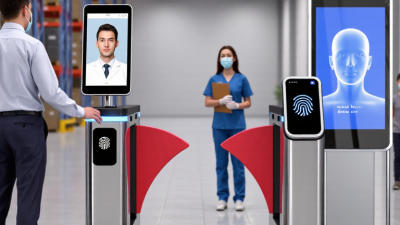
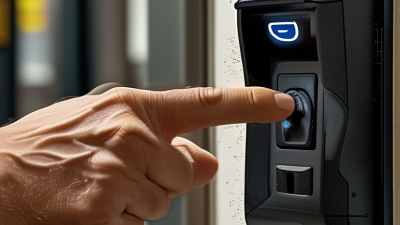
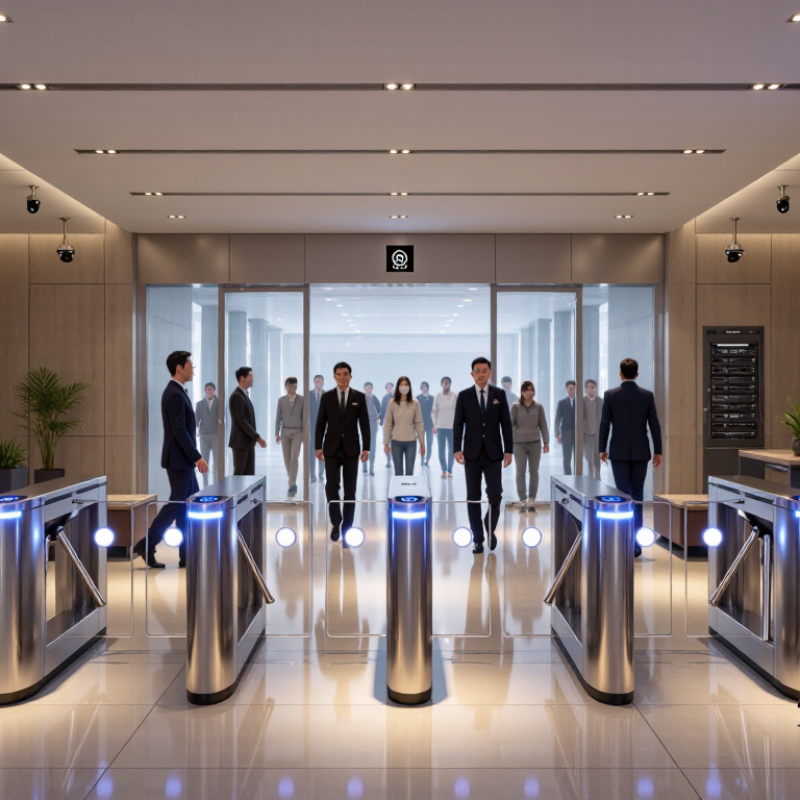
In China, biometric security is used to verify identity at office entrances, residential gates, and selected service counters. A camera may compare a visitor’s face with an authorized profile, while a fingerprint reader can unlock a staff-only door. Some systems also support palm or voice recognition. The right method depends on the setting. A busy building entrance needs quick checks, while a controlled workplace may favor a more deliberate process.
Convenience is only part of the picture. Good deployments need clear enrollment procedures, secure storage, and a fallback option when recognition fails. Lighting, masks, worn fingerprints, and camera placement can all affect results. Small details matter. Operators should test equipment under real conditions, not just in a showroom. They should also explain what data is collected and limit access to it. A biometric match is not proof of perfect accuracy. Human review still matters, especially when a false rejection could prevent someone from entering a building or using a service. In practice, the strongest systems combine careful design with routine maintenance—and honest attention to their limitations.
How Biometric Security Is Used in China
Selected application categories by biometric modality
The bars count the application types listed for each modality: facial recognition (identity checks, access control, and public-security checks); fingerprints (smartphone unlocking, financial authentication, and workplace access); voiceprints (telephone identity verification); and iris recognition (high-security access). These illustrative category counts are not user or deployment totals, market shares, or supplier rankings.
Criteria for Identifying Leading Chinese Suppliers
When comparing biometric security suppliers in China, look beyond product descriptions. Ask for test results covering recognition accuracy, false acceptance, and performance in dim light or crowded entrances. A supplier should explain how results were measured, not just quote a percentage. Test it yourself.
Review the full system, not only the sensor. Check whether enrollment, access control, software updates, and support fit your site’s needs. Ask how biometric data is stored, protected, and deleted, and request clear documentation. Independent testing and relevant quality or security certifications can strengthen confidence, but verify their scope and validity. Speak with customers who use similar equipment in similar conditions. One issue: polished demonstrations may not reflect daily use.
Tips: Bring sample lighting conditions and test with different users, including people wearing glasses. Ask for a written service plan, realistic delivery timelines, and spare-parts availability. Compare total operating costs, not just the purchase price. A supplier that answers technical questions plainly is often easier to assess, though no checklist can remove every risk. Keep notes; small details matter.
Profiles of Ten Biometric Security Suppliers in China
The ten profiles below are anonymized examples of supplier types active in China, not verified company rankings. Profile 1 focuses on fingerprint readers for office doors. Its compact units suit narrow entryways, though wet fingers can slow recognition. Profile 2 develops facial terminals for busy lobbies. Look for clear camera placement and accessible fallback options. Profile 3 supplies iris-reading equipment for controlled indoor access. Installation distance matters. Profile 4 combines fingerprint and card verification for factories, where gloves and dust complicate daily use. Profile 5 builds palm-vein readers for sites seeking touch-free checks. Ask how performance changes under bright lighting.
Profile 6 specializes in biometric modules for embedded devices, with attention to power use and connection protocols. Profile 7 offers access-control software and reader integration. A polished dashboard is useful, but setup can still be demanding. Profile 8 serves schools and commercial buildings with visitor and staff entry systems. Profile 9 focuses on enrollment equipment, including cameras, scanners, and workstation tools. Profile 10 provides testing and deployment support for multi-site projects. These distinctions are starting points, not proof of quality. Request sample units, documented accuracy conditions, maintenance terms, and references from comparable installations. One detail is often missed: a fast scan means little if enrollment, lighting, or support is unreliable.
Comparing Supplier Technologies, Products, and Markets
A useful comparison of China’s ten leading biometric security suppliers should examine technology, product depth, and customer markets—not rankings alone. Face recognition suits access gates and camera-based entry, while fingerprint readers fit compact terminals and attendance systems. Iris and multimodal systems can serve higher-assurance sites, but often cost more and require careful installation. Suppliers also differ in liveness detection, edge processing, integration support, and data-protection controls. Small details matter: a reader that struggles with wet fingers may slow a busy factory entrance.
Market figures give context, not a buying verdict. MarketsandMarkets’ Biometrics Market—Global Forecast to 2028 estimated the worldwide market at $47.8 billion in 2023, projecting $82.9 billion by 2028. NIST’s ongoing Face Recognition Technology Evaluation publishes measured results across algorithms and test conditions. These reports help frame growth and performance, but neither proves that a supplier will perform equally well at a Chinese site. Rankings can be imperfect; testing conditions are not everyday conditions.
Tips: Request a live pilot with real users, lighting, and protective equipment. Compare false-match rates, response time, enrollment steps, and system integration costs. Ask how templates are stored, who can access them, and how long support lasts. Check performance across age groups and working conditions. A polished demo is useful, but not enough.
Key Factors in Selecting a Biometric Security Supplier
What Are the Top 10 Biometric Security Suppliers in China?
Key Factors in Selecting a Biometric Security Supplier
A supplier’s brochure may show impressive accuracy, but real conditions are less tidy. Test the system at the doorway, under uneven lighting, and with the gloves or masks staff actually use. Test it in place. A short pilot can reveal slow recognition, confusing prompts, or frequent false rejections. Ask for independent test reports and clear explanations of how accuracy was measured. Results from one group or setting may not predict performance elsewhere.
Security depends on more than the scanner. Check how biometric templates are encrypted, stored, updated, and deleted. Confirm whether information stays on the device or moves through a server, and who can access it. Ask about software updates, vulnerability handling, and integration with existing access-control systems. Request written service response times, spare-part availability, and support coverage for the full product lifespan. Compare total costs, including installation, maintenance, and replacement—not just the unit price.
A neat spreadsheet can hide practical problems. Have installers test network outages and power interruptions, then document what users see. Ask the supplier to explain limitations plainly, without promising perfect recognition. Review evidence, not confidence. I would also speak with customers using the system in similar buildings, if possible. Their experience may expose small but costly issues, such as a reader that struggles in bright afternoon sun.