Skip To Content

What Is a Veterinary Syringe Set Used For?

Please provide the source article or a verifiable expert name and quotation. Without them, I can’t responsibly attribute a statement to a real Veterinary Syringe Set expert or present the introduction as evidence-based.
What Is a Veterinary Syringe Set Used For?

What a Veterinary Syringe Set Contains

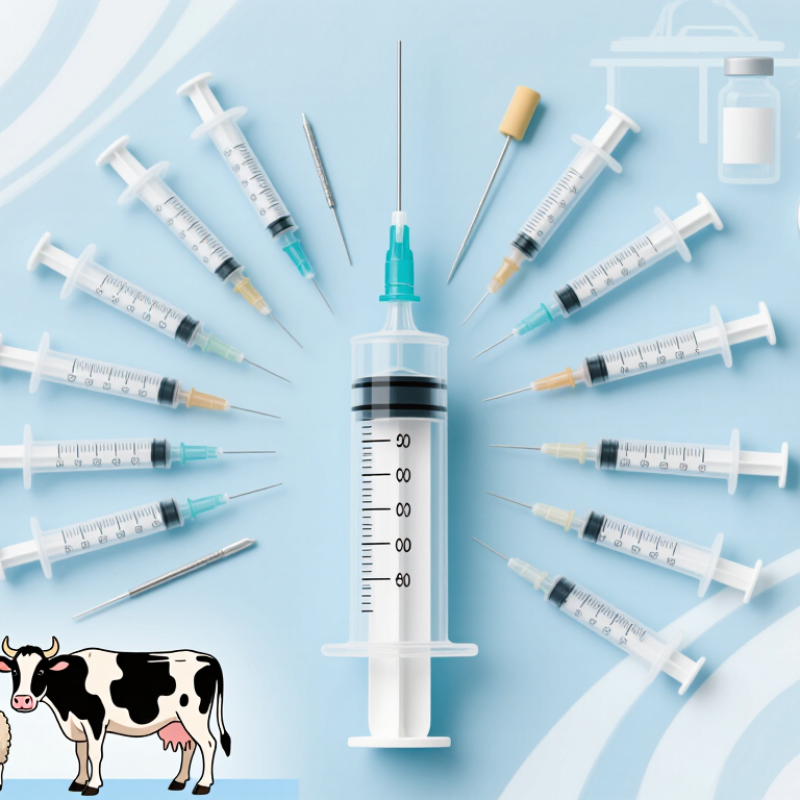
A veterinary syringe set is not always one fixed kit; its contents vary with the animal, medicine, and intended route. A common set includes a graduated syringe barrel, a plunger, and one or more sterile needles with protective caps. The barrel holds the liquid, while its markings help a caregiver measure the prescribed volume. Needles may differ in length and thickness, so they should not be swapped by guesswork. Some sets include needle-free tips or adapters for connecting a syringe to a medication container. Small parts matter.

For oral medicine, a set may include a blunt dosing tip instead of a needle. Used as directed by a veterinarian, it can help deliver liquid into the side of an animal’s mouth. Other kits may contain a reusable holder, spare caps, or syringes in different capacities. Not every kit contains these.

Check that the markings are readable, the plunger moves smoothly, and sealed packaging is intact before use. A syringe intended for injection is not automatically suitable for oral dosing, or vice versa. That detail is easy to miss.

Follow the veterinary team’s instructions for the exact syringe, route, and dose, and ask before substituting a component. Place used needles in a puncture-resistant sharps container.

How the Syringe and Needle Work Together

What Is a Veterinary Syringe Set Used For?

How the Syringe and Needle Work Together

A veterinary syringe set pairs a calibrated barrel, plunger, hub, and hollow needle. The plunger draws liquid into the barrel, then pushes it through the needle’s lumen. The needle’s bevel creates the entry point; its gauge and length affect flow and tissue reach. They work as a pair. Correct selection depends on the animal, administration route, medication, and veterinary instructions.

A loose hub can leak, while a poorly matched needle may make delivery harder or cause avoidable tissue trauma. Check the packaging, connection, measurement markings, and sterility before use. Never estimate a dose from barrel size alone. The CDC’s 2008 Workbook for Designing, Implementing, and Evaluating a Sharps Injury Prevention Program cites an estimate of 385,000 needlestick injuries annually among U.S. hospital-based healthcare workers. This is human healthcare data, not a veterinary rate, but it highlights the importance of careful handling.

Common Uses in Animal Care

A veterinary syringe set helps deliver measured doses during routine animal care. Depending on its design, it may include a syringe, a compatible needle, and sometimes a dosing adapter. Veterinary teams use these sets to give prescribed vaccines, medications, or fluids, and to collect small diagnostic samples. Each task needs the correct syringe size and needle. A calm animal, a steady hand, and a clean work surface matter.

The American Veterinary Medical Association’s 2022 Pet Ownership and Demographics Sourcebook estimates that U.S. households include about 89.7 million dogs and 73.8 million cats. With so many animals receiving preventive and clinical care, accurate dosing is essential. A clinic may use a fine needle for a small patient and a larger syringe for a measured fluid dose. The choice depends on the animal, medication, route, and veterinarian’s instructions—not guesswork.

Small details count. Staff check the label, dose markings, and needle connection before use, then dispose of sharps in an approved container. For some medicines, an oral dosing syringe is safer and more suitable than a needle. Not every syringe set fits every job. I’ve seen how a rushed setup can invite mistakes; that deserves a second check, every time. Pet owners should follow veterinary guidance and should not reuse needles or alter prescribed doses.

What Is a Veterinary Syringe Set Used For? - Common Uses in Animal Care

Syringe Type or Capacity Common Use in Animal Care Typical Examples Important Considerations
Small-volume syringe (about 1–3 mL) Measuring and administering small liquid doses when directed by a veterinarian. Oral liquid medication for a small animal; accurately measuring a small prescribed volume. Read the graduations at eye level and use the prescribed dose. A syringe without a needle is commonly used for oral dosing.
Medium-volume syringe (about 5–20 mL) Measuring or delivering moderate volumes of liquid. Drawing up prescribed medication; flushing a small area when instructed by a veterinary professional. Choose a size that makes the required volume easy to measure. Use only the route and technique specified for the animal.
Large-volume syringe (about 30–60 mL) Handling larger amounts of liquid for specific procedures or care tasks. Veterinarian-directed wound irrigation or measuring larger volumes of oral fluids. Large syringes are not suitable for every task. Avoid forceful flushing, and follow veterinary instructions.
Oral dosing syringe Giving liquid medication by mouth without attaching an injection needle. Administering a prescribed oral medicine to a dog, cat, or other animal. Give the liquid slowly into the side of the mouth, allowing the animal to swallow. Do not squirt liquid toward the throat.
Syringe with a compatible needle Drawing up or administering injectable medication as part of a veterinary-directed procedure. Medication administration by a veterinarian or trained caregiver when specifically instructed. Needle size, syringe connection, route, and injection site depend on the medication and animal. Follow professional guidance and safe sharps-disposal practices.
Catheter-tip or irrigation syringe Delivering fluid through compatible tubing or gently irrigating an area when directed. Flushing a wound or using a feeding tube as part of an instructed care plan. Check that the tip fits the equipment and that the fluid and method are appropriate. Do not use for tube feeding unless advised and shown how by a veterinary professional.
Graduated syringe Measuring liquid volumes with the markings printed on the barrel. Measuring a dose or a specified amount of fluid. Graduation intervals vary by syringe. Confirm the units—such as mL—and use a syringe with markings precise enough for the required volume.

Note: Syringes may be supplied individually or as part of a set. Use a clean, appropriate syringe for each task, and follow veterinary instructions for medication, feeding, flushing, and disposal.

How to Select the Right Set for an Animal

Choosing a veterinary syringe set starts with the animal and the prescribed dose. A small pet may need a low-capacity syringe with fine, easy-to-read markings. Larger volumes may call for a different size. Accurate graduations matter; estimating between marks can lead to dosing errors. Small details count.

Check the intended route and the veterinarian’s instructions. Oral dosing usually requires a needle-free syringe, while injections require equipment suited to the prescribed medication and technique. Viscous medicine may be difficult to draw through a very fine needle. Confirm that the syringe, needle, and connection are compatible. Do not substitute one type for another based on appearance alone.

Consider the animal’s size, temperament, and handling needs, too. A nervous cat may need calm restraint and a shorter preparation time. A large animal may require help from trained staff. Choose sterile, undamaged supplies, and follow the product’s single-use guidance. It is easy to focus only on needle size; I would also check whether the markings are readable under ordinary clinic lighting. If the right set is unclear, ask the veterinary team to demonstrate it and confirm the dose before use.

Safe Handling, Cleaning, and Storage

What Is a Veterinary Syringe Set Used For?

A veterinary syringe set helps measure and give prescribed medicines or fluids to animals. The syringe allows a caregiver to draw up a measured amount, while a needle or suitable tip delivers it as directed. The correct size and type depend on the animal, the substance, and the veterinarian’s instructions. Never guess a dose. A few milliliters can matter.

Safe handling starts with clean hands and an uncluttered work surface. Check the syringe for cracks, cloudy markings, or a loose connection before use. Keep the needle sterile, and do not touch its tip. Afterward, discard used needles in a designated puncture-resistant sharps container, following local disposal guidance. Clean a syringe only if it is designed for reuse and its instructions allow it. I have seen people assume rinsing is enough; it may not be.

Tips: Store clean, dry components in a closed container, away from heat, dust, children, and pets. Keep used items separate from fresh supplies. Don’t force a sticky plunger; replace the syringe or ask a veterinary professional. Tiny details matter. If instructions are unclear, pause and check with the clinic before giving another dose.

What Is a Veterinary Syringe Set Used For?

A veterinary syringe set can help measure and administer prescribed medicines, give oral liquids, or perform other procedures when directed by a veterinary professional. Syringe capacity varies; select a suitable size for the prescribed amount and follow the product instructions.

Safe handling: Use a new sterile syringe for each single-use application. Do not share syringes between animals. For reusable equipment, clean it only as directed by the manufacturer or your veterinary team, allow it to dry fully, and store it in a clean, covered place. Capacity is not a dose recommendation.