Top 10 Child Car Seats You Need to Know About?
Choosing the right Child Car Seat is critical for child safety. According to the National Highway Traffic Safety Administration (NHTSA), almost 75% of car seats are not installed correctly. This alarming statistic highlights the need for education and awareness among parents.
In the United States, car crashes are a leading cause of injury for children. The American Academy of Pediatrics recommends using appropriate car seats until a child reaches a certain height and weight. This recommendation emphasizes the importance of selecting a child car seat that fits your child's needs.
Purchasing a child car seat can be overwhelming due to numerous options available. Many parents struggle to identify the best seat for their child. Understanding the features that enhance safety is crucial. Research shows that using car seats can reduce the risk of fatal injury by up to 71% for infants. Even though many products are on the market, the choice must prioritize safety. With the right information, parents can navigate this essential decision.
Key Features to Consider When Choosing a Child Car Seat
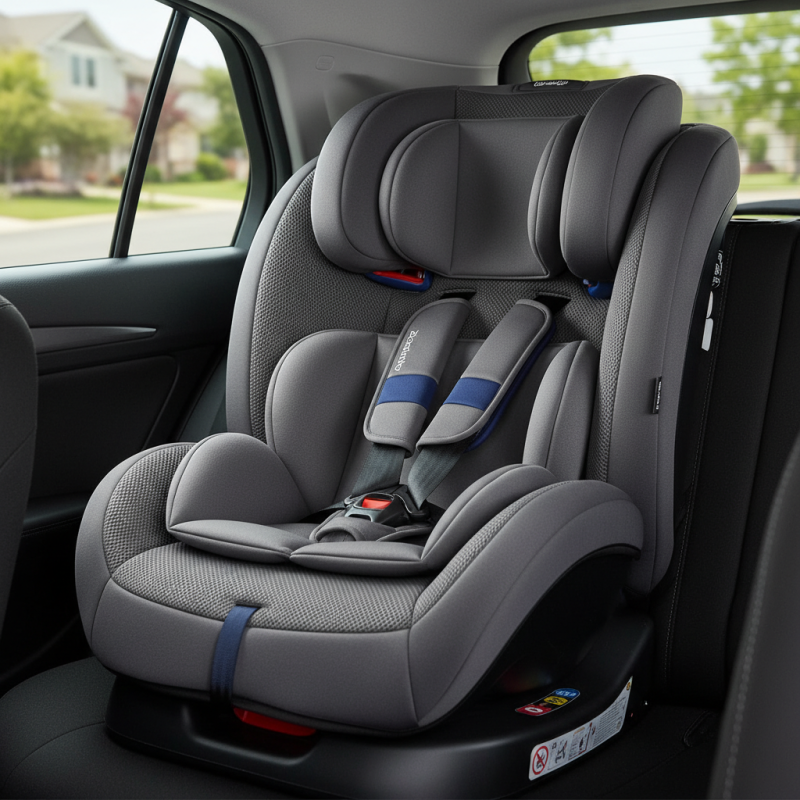
Choosing the right child car seat is crucial for safety. When considering features, start with the size and weight limits. Ensure the seat fits your child's current and future needs. A seat that accommodates growth can save you money. Also, look for adjustable harnesses. This feature helps secure your child properly.
Safety ratings matter. Research crash test results to find the safest options. Look for seats that have side impact protection. It's easy to overlook, but this could make a difference in an accident. Ease of installation is another key factor. A seat that is hard to install may not be used correctly. Many parents struggle with installation, which can compromise safety.
Think about usability and comfort. Extra padding can make longer trips more enjoyable. Some seats offer recline options, which help little ones sleep better. However, finding the right balance between comfort and safety can be challenging. Regularly check the seat’s condition for wear and tear. Even high-quality seats need attention. A small crack may not seem significant, but it can jeopardize safety.
Types of Child Car Seats: A Comprehensive Overview
Child car seats come in various types, each designed for specific age groups and safety needs. The most common types include rear-facing seats, forward-facing seats, booster seats, and all-in-one seats. Rear-facing seats are ideal for infants. They provide excellent head and neck support. As children grow, they transition to forward-facing seats, which have harness systems to keep them secure. Booster seats elevate children so that the seatbelt fits correctly.
Choosing a car seat can be overwhelming. Ensure you check the weight and height limits regularly. It's important to register your car seat so you receive recall notifications. Many parents overlook this step. Always follow the installation guidelines carefully. A poorly installed seat can compromise safety.
Tips for installation: Use the LATCH system when possible. It's designed for easier attachment. Make sure the seat doesn’t move more than an inch when you pull it at the base. Don't forget to keep the straps snug. Any loose straps can be a hazard. Remember that using the right seat reduces the risk of injury during a crash.
Safety Standards and Testing for Child Car Seats
When it comes to child car seats, safety standards are paramount. The National Highway Traffic Safety Administration (NHTSA) reports that buckling children in appropriate seats can reduce the risk of fatal injury by 71%. This statistic highlights how crucial it is to follow guidelines for selecting and using car seats.
Testing is conducted to ensure car seats meet rigorous safety protocols. The Federal Motor Vehicle Safety Standard (FMVSS) mandates crash testing at varying speeds. During these tests, manufacturers assess the seats' ability to withstand impact and protect young passengers. Standards require seats to handle forces that could be life-threatening in a collision. However, not all models pass these tests. Consumers must research and choose car seats that have been certified according to these standards.
Despite rigorous regulations, challenges remain. Some parents misuse car seats, often due to lack of knowledge. Incorrect installation can lead to reduced effectiveness. A study by Safe Kids Worldwide found that nearly 60% of car seats are installed incorrectly. These statistics stress the need for education on proper use. Awareness is key for keeping children safe in vehicles.
Top 10 Recommended Child Car Seats Based on Expert Reviews
Choosing the right car seat for your child can be overwhelming. According to recent studies, 43% of parents make mistakes when installing them. Expert reviews consistently emphasize the importance of safety features. For instance, a 2022 report indicated that seats with side-impact protection reduced injuries by up to 21%.
In addition, ease of use is crucial. Reports show that 70% of parents struggle with installation. Car seats that come with clear instructions and visual guides are preferred. Also, models that include built-in indicators for proper installation are highly recommended. These features not only assist parents but also enhance overall safety for children.
Test results from organizations highlight the pressing need for regular updates in car seat design. The dynamic nature of crash tests imposes a continuous evolution in safety standards. More research is needed on how well these seats accommodate children of varying ages and sizes. It's vital for parents to stay informed about new findings and adjust their choices as recommendations evolve.
Tips for Proper Installation and Use of Child Car Seats
Installing a child car seat correctly is critical to ensuring safety. According to the National Highway Traffic Safety Administration (NHTSA), nearly 60% of car seats are installed incorrectly. A poorly installed seat can lead to serious injury in a crash. It's vital to read the manual for both the car seat and your vehicle. Many people overlook this step, which leads to confusion and mistakes.
When securing a seat, use the LATCH system if available. This reduces the risk of improper installation. Always pull the strap tight and check for movement after installation. It should not move more than an inch side to side. Another key detail is ensuring the harness fits snugly. The harness should lie flat and be at or below the child's shoulders for rear-facing seats.
Finally, remember to check your child’s growth. Some parents forget that a seat might no longer meet safety standards as their child grows. Regularly reassess the fit of the harness and the seat. A seat that was once perfect can quickly become too small. Adjustments should be made frequently. Keeping these points in mind is essential for the safest travel experience for your child.
Top 10 Child Car Seats You Need to Know About
This chart provides an overview of the important factors to consider when selecting a child car seat. Each factor is rated on a scale of 1 to 10, reflecting their significance in ensuring child safety and comfort during travel.