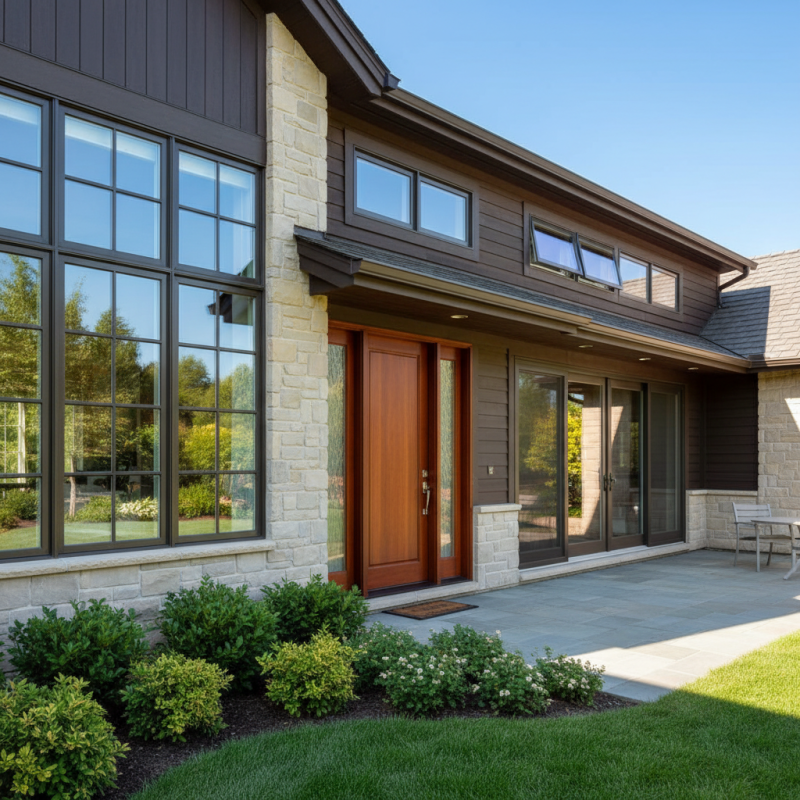
Top Tips for Choosing the Right Window and Door Options?
Choosing the right Window & Door options can be overwhelming. Many factors come into play. From aesthetics to energy efficiency, these choices matter. A beautiful window can enhance your home's curb appeal. Similarly, sturdy doors provide security and comfort.
When selecting Window & Door products, consider your climate and location. Some materials perform better in certain environments. Think about maintenance too; some options require more care. Not every choice fits every home. It's important to weigh your options carefully.
Budget is another crucial aspect. High-quality products can be costly, but they often save money in the long run. Be wary of deals that seem too good to be true. Spending wisely ensures quality and longevity. Reflect on your choices and their impact on your home. Each Window & Door tells a story.
Understanding Your Home's Architectural Style for Window and Door Selection
Choosing the right windows and doors for your home is more than just a functional decision. It requires a deeper understanding of your home’s architectural style. Every style has its unique traits, affecting how windows and doors should look. For instance, a Victorian home often features intricate details. In contrast, a modern design leans towards minimalism, with clean lines and large glass panels. Balancing these elements can be tricky.
Consider the shape and size of the openings in your home. A traditional Colonial house typically has double-hung windows, while a Craftsman may favor wider, lower windows. Selecting the wrong type can disrupt the visual flow. It’s vital to avoid mismatched styles that clash with your home's design. This mistake often leaves a feeling of disarray. Also, think about color and materials. Some may not stand the test of time, requiring frequent replacements.
Reflect on your home’s character before making a decision. Does the choice enhance the architecture? Or does it overshadow it? This process might reveal unexpected challenges. Embrace the imperfections in your decisions as opportunities for improvement. Each window and door should tell a story that complements your home's unique style.
Evaluating Energy Efficiency Ratings for Windows and Doors
When selecting windows and doors, energy efficiency should be a top priority. Look for energy ratings labeled clearly. These ratings indicate how well a product insulates against heat loss. A higher rating often means better insulation, which can lower your energy bills. It’s common to overlook these details, but they matter.
Consider the material too. Wood, vinyl, and fiberglass each have different energy efficiency levels. Vinyl is often praised for its insulating properties and low maintenance. However, wood can provide better thermal performance if properly maintained. Each option has benefits and drawbacks.
Many homeowners underestimate the importance of installation quality. Even the best-rated windows will fail if not installed correctly. Gaps and poor sealing can lead to air leaks. It is crucial to pay attention to this detail. Sometimes, it may require rethinking your choice of contractor. Taking these factors into account can lead to better long-term savings and comfort. Reflecting on your options is essential for making an informed decision.
Material Options: Wood, Vinyl, Aluminum, and Fiberglass Explained
When selecting window and door materials, the choice can significantly impact energy efficiency and aesthetics. Wood is a classic option, offering natural beauty and excellent insulation. According to the National Association of Home Builders, it remains popular for custom homes. However, wood requires regular maintenance to prevent rot and warping. Those who prefer a low-maintenance lifestyle may find wood less appealing.
Vinyl windows and doors are often seen as cost-effective. They come in various styles and colors. A report from The Vinyl Institute states that energy-efficiency improvements can lead to up to 30% reduced heating costs. Yet, the options can lack the elegance of wood. Some homeowners feel they have compromised on style for budget.
Aluminum is known for its durability and modern appeal. It does not rot or warp, making it a practical choice. However, aluminum can conduct heat and cold more than other materials. This may lead to higher energy bills if not properly insulated. Lastly, fiberglass is gaining traction due to its strength and energy performance. Despite its benefits, some users are unsure about its long-term durability compared to traditional options. Each choice involves trade-offs in aesthetics, maintenance, and efficiency.
Sizing and Fit: Importance of Accurate Measurements for Installation
When choosing windows and doors, sizing and fit are essential. Accurate measurements ensure proper installation. A small error can lead to significant issues. Gaps can allow drafts. Poor fitting can cause leaks, leading to water damage. These are real concerns.
Measuring should be done carefully. Use a reliable tape measure for precision. Measure width and height at multiple points. Walls may not be perfectly straight. If measurements vary, note the smallest size. This will help in making the right choice. It feels tedious, but attention to detail matters a lot.
Don’t rush this process. Take your time to double-check everything. It's easy to overlook a small detail. Poor-fitting windows and doors can ruin aesthetics. It’s tough to fix mistakes later. Make adjustments now to avoid headaches later. Every measurement counts, and reflecting on them can save you in the long run.
Design and Security Features to Consider for Enhanced Home Safety
When choosing windows and doors, security features should be a top priority. Strong locks are essential. Look for multi-point locking systems for doors. They provide extra resistance against break-ins. Windows should have reinforced frames and laminated glass. These materials can deter potential intruders quite effectively. Think about the visibility too. Some windows are easier to break, especially if they are hidden from the street.
Design also plays a key role in home safety. Consider your home's style. Larger doors with glass panels can offer beauty, but they also pose a risk. Opt for privacy-rated glass or frosted options to maintain visibility without compromising security. Furthermore, the placement of windows matters. Easily accessible windows could invite trouble. Installing security screens is another practical choice, adding an extra layer of defense without sacrificing aesthetics.
Consider your neighborhood's safety as well. Research local crime rates. Some areas might benefit from additional security measures. Reflect on your own comfort level. Feelings of safety can directly impact your well-being. Ultimately, the right balance between design and security can be achieved through thoughtful selections. Investing time and resources into these features is worthwhile.