Skip To Content

10 Tips for Buying Quality Bottle Gourd Seeds Online

Buying Bottle Gourd Seeds online can feel simple, but small details often decide the harvest. A glossy product photo cannot confirm freshness, purity, or suitable genetics. Reliable sellers should provide the botanical name, seed origin, harvest information, and clear storage guidance. These details show responsibility, not just attractive marketing.

Experienced gardeners also check germination information before placing an order. Fresh seeds usually deserve better attention, although germination still depends on moisture, temperature, planting depth, and seed quality. Look for reviews describing real results, such as strong seedlings, steady vines, and healthy fruit development. A buyer’s photograph can reveal more than a short five-star comment. Very cheap packets may seem appealing. Sometimes, they are not a bargain.

The seller’s packaging matters as well. Moisture-resistant envelopes, sealed packets, and readable labels help protect seeds during delivery. Confirm whether the variety suits your growing space, season, and local climate. Bottle gourds need warmth, sunlight, room to climb, and consistent watering. Ignoring these needs can lead to unfair complaints about good seeds.

This guide shares ten practical tips for comparing online listings with greater confidence. It focuses on traceability, seller credibility, variety selection, germination expectations, and safe purchasing habits. No checklist guarantees a perfect crop. Even careful gardeners occasionally choose poorly or plant too early. That honest possibility makes informed decisions more valuable.
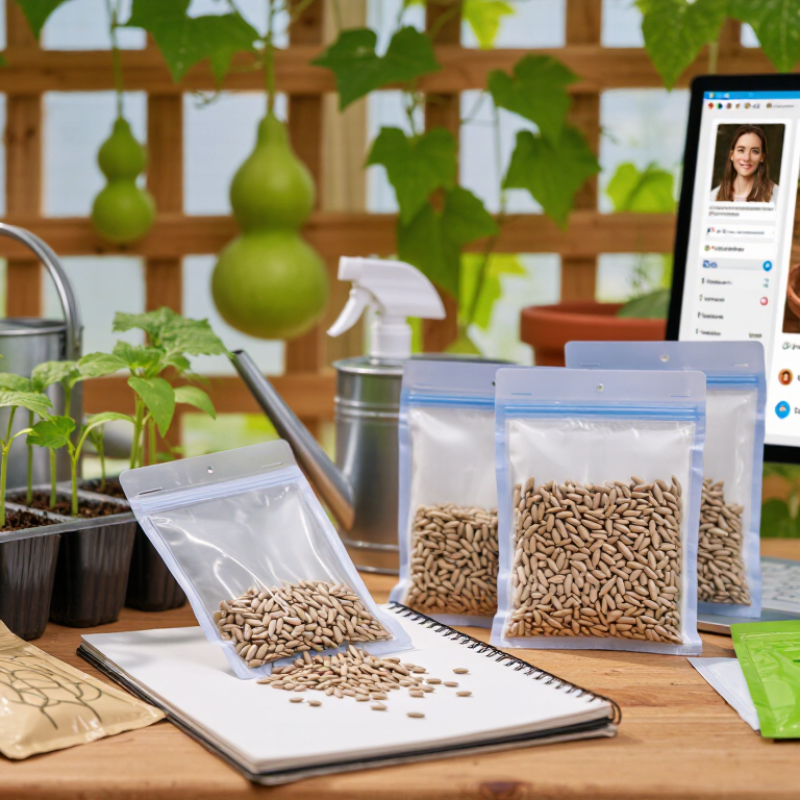
10 Tips for Buying Quality Bottle Gourd Seeds Online

Understanding Bottle Gourd Seed Varieties and Growing Requirements

Choosing quality bottle gourd seeds starts with understanding the variety, not just the packet photo. Bottle gourd, or Lagenaria siceraria, comes in long, round, striped, and compact forms. Long varieties need strong vertical support. Round types can become heavy and may require wider spacing. Compact varieties suit smaller gardens, but their harvests may be less generous. Check the expected maturity period, fruit size, and growing habit before ordering online.

Reliable listings should show the botanical name, harvest year, germination information, and clear storage guidance. I prefer seeds kept in cool, dry conditions, with intact packaging and a traceable seller. Ask whether the seeds were tested recently. A low price is not useful if germination is poor. I once bought attractive seeds without checking maturity days. The vines grew well, but autumn arrived before the gourds fully developed.

Bottle gourd needs warmth, full sun, fertile soil, and steady moisture. Sow after cold weather has passed, when soil temperatures reach about 21°C. Planting near a sturdy trellis improves airflow and keeps fruits cleaner. Leave enough room for vigorous vines, even with dwarf varieties. Water deeply when the surface begins to dry, but avoid constantly soggy soil. Germination can take several days, depending on temperature and seed freshness. Read the seller’s growing notes carefully, because regional advice may not fit your climate. My own results are not always consistent, so I record sowing dates, rainfall, and fruit development each season.

Checking Seed Freshness, Purity, and Germination Information

10 Tips for Buying Quality Bottle Gourd Seeds Online

Freshness should be your first check when buying bottle gourd seeds online. Look for a packing date, lot number, and recommended sowing period. Seeds stored for years may still sprout, but their performance can decline. I once bought older seeds with attractive photos and received uneven growth. The mistake was trusting appearance instead of production details.

Purity matters just as much. A reliable listing should describe the seed type and indicate physical purity. Check for foreign material, broken seeds, insect damage, or unusual discoloration. Healthy bottle gourd seeds are usually firm, dry, and evenly shaped. Avoid packets with a musty smell or visible moisture. Ask whether the seeds were cleaned and stored in a sealed, dry container.

Germination information should include a percentage, test date, and testing conditions. A claim such as “high germination” is too vague without evidence. Ask how many seeds were tested and whether the test used suitable warmth and moisture. Home testing can reveal more. Place ten seeds between damp paper towels, keep them warm, and record sprouts after several days. Ten seeds are not a perfect scientific sample, but they provide a useful warning. Read customer reviews carefully, especially comments about actual sprouting results. Some listings confuse seed age with harvest date, so clarification is worthwhile. Reliable sellers answer specific questions instead of making broad promises.

Evaluating Online Sellers, Product Details, and Customer Reviews

Buying quality bottle gourd seeds online requires more than choosing the highest rating. Examine the seller’s history, contact details, and answers to customer questions. A reliable seller explains seed age, storage conditions, germination expectations, and dispatch methods clearly. Ask specific questions. Clear photos matter.

Read the product details carefully before ordering. Look for the correct botanical name, seed quantity, packing date, expected maturity period, and suitable growing conditions. Regional climate can affect germination and fruit development. Fresh seeds should arrive in a sealed, moisture-resistant package with readable information. I once overlooked the packing date because the price seemed attractive. That was a poor decision, and germination was uneven.

Customer reviews can reveal practical problems that descriptions hide. Check comments about damaged packets, incorrect quantities, slow delivery, and actual sprouting results. Reviews with planting dates, temperatures, and photographs are more useful than brief praise. However, ratings are not proof. Some growers may use unsuitable soil or provide too little warmth, producing misleading complaints. Compare several recent reviews rather than trusting one dramatic story. A seller who responds calmly to criticism appears more dependable than one who avoids every difficult question. Still, online evidence has limits. When details conflict, request clarification and keep screenshots of the listing before payment.

Comparing Seed Prices, Pack Sizes, Shipping, and Return Policies

Buying quality bottle gourd seeds online requires more than choosing the lowest listed price. Compare the price per seed, not only the packet price. A cheaper packet may contain fewer seeds or older stock. Check the packed date, germination information, and storage guidance. Look for clear photos and complete seller details. Small details matter. I once chose a low-cost packet and overlooked the shipping fee. The final cost was higher than expected.

Pack size should match your growing plan. A small garden may need ten to twenty seeds, while repeated sowing requires more. Avoid oversized packs unless the seller explains storage clearly. Warm, dry storage can protect unused seeds, but poor conditions may reduce performance. Read shipping terms carefully. Confirm delivery areas, dispatch times, tracking options, and extra fees. Seeds arriving in crushed or damp packaging may not remain viable. Ask about protective packaging when the listing gives little information.

Return policies deserve equal attention. Check whether returns cover damaged packets, incorrect quantities, or failed delivery. Some sellers accept returns only when packets remain sealed. Keep the invoice, packaging, and delivery photos. Customer support should provide direct, practical answers. Independent reviews can reveal repeated complaints about missing seeds or slow dispatch. Compare at least three listings before buying. A professional seller should explain seed testing methods, but claims are not proof. Home germination testing can add confidence. Still, results vary with temperature, soil, and watering. That part is easy to forget.

Selecting Reliable Bottle Gourd Seeds for Your Growing Conditions

Selecting Reliable Bottle Gourd Seeds for Your Growing Conditions

Choose seeds that match your climate, soil, and planting calendar. Bottle gourd needs warm conditions, bright sunlight, and consistently moist but well-drained soil. I usually wait until soil temperatures reach about 21°C before sowing. Cool soil can delay emergence and encourage seed decay. Check your local frost records, using the USDA Plant Hardiness Zone Map as a climate reference, not a complete planting guide.

Read the online listing carefully. Look for the botanical name, harvest year, lot number, germination percentage, and storage instructions. ISTA’s International Rules for Seed Testing 2024 emphasize standardized sampling and germination testing. However, a laboratory result does not guarantee success in your garden. Old seeds, heat, and humid shipping conditions can reduce performance. Ask the seller how seeds were stored. A sealed, moisture-resistant package is preferable. Very cheap seeds deserve extra questions.

Match the variety to your available space. Some bottle gourd vines become extremely long and need strong trellises. Select compact types for balconies or small plots. Seeds from transparent listings are easier to assess. Still, online photographs may mislead. I once trusted a high germination claim without checking the test date. The seedlings were uneven. A small home germination test can reveal problems before planting the whole packet. Place ten seeds in a damp paper towel, keep them warm, and record how many sprout within the expected period.

10 Tips for Buying Quality Bottle Gourd Seeds Online - Selecting Reliable Bottle Gourd Seeds for Your Growing Conditions

Tip Buying Criterion Reliable Information to Look For Why It Matters Best Match for Growing Conditions
1 Confirm the botanical identity Lagenaria siceraria, also known as bottle gourd, calabash, or opo squash Common names can refer to different gourds. The scientific name helps prevent ordering the wrong crop. All growers, especially those comparing listings from different countries
2 Check the harvest or test date A recent packing date, test date, or clearly stated seed lot information Seed viability generally declines with age and poor storage. A traceable lot is more dependable than an undated packet. Short growing seasons where failed germination can delay the crop
3 Review the germination information A stated germination percentage or a clear seed-quality statement; bottle gourd commonly germinates in about 7–14 days under warm conditions Germination depends on seed age, moisture, temperature, and planting depth. Transparent information makes expectations realistic. Indoor sowing, containers, and regions with limited planting time
4 Match the maturity period to your climate Days to maturity or days to first harvest, commonly around 60–100 days depending on variety and conditions Bottle gourd is a warm-season crop. A long-maturing selection may not finish before cool weather arrives. Short seasons: early types; long warm seasons: medium- or late-maturing types
5 Select the fruit shape and size carefully Specific descriptions such as round, bottle-shaped, long, cylindrical, or small-fruited, with expected fruit dimensions where available Fruit size affects trellis strength, container suitability, kitchen use, and harvest convenience. Containers and balconies: compact or small-fruited types; large gardens: vigorous, large-fruited types
6 Verify the temperature requirements Instructions recommending warm soil, generally at least 18–21°C for dependable germination, with stronger growth in warm weather Cold soil can slow or prevent germination, while frost can seriously damage young plants. Warm climates or growers able to start seeds indoors and transplant after frost
7 Look for full-sun suitability Growing guidance that recommends approximately 6–8 hours of direct sunlight per day Bottle gourd vines perform best with strong light, adequate warmth, moisture, and space for growth. Sunny garden beds, open allotments, and south-facing growing areas
8 Assess vine vigor and available space A description of vine length, climbing habit, or trellis requirements; many bottle gourd vines are vigorous and need substantial support Crowded vines receive less airflow and sunlight, while heavy fruit may require a strong trellis. Small spaces: compact selections with pruning or trellis plans; large spaces: vigorous climbing types
9 Check seed treatment and production details Clear labeling for untreated, organically produced, or chemically treated seed, where applicable, plus sowing precautions Treatment information supports safe handling and helps growers follow organic or personal gardening requirements. Organic gardens: clearly identified untreated or permitted seed; all growers: transparent handling instructions
10 Evaluate packaging, storage, and seller information Moisture-resistant packaging, storage guidance in a cool and dry place, seed quantity, planting instructions, and a clear return or support policy Heat, humidity, light, and damaged packaging can reduce seed quality before planting. Online buyers who need traceability, delivery protection, and practical sowing support

General growing reference: Bottle gourd is a frost-sensitive, warm-season vine that typically performs best in full sun, fertile well-drained soil, consistent moisture, and warm conditions. Exact maturity, fruit size, and vine behavior vary by variety and growing environment.