What is Roller Belt and How Does It Work?
In the world of material handling, the Roller Belt plays a crucial role. This conveyor system consists of a belt supported by rollers, allowing for efficient movement of goods. Understanding the mechanics of the Roller Belt can enhance operations in various industries.
The Roller Belt is not just a simple transportation tool. It provides smooth, continuous movement, reducing friction and wear on products. This efficiency is essential in warehouses and manufacturing plants. However, maintaining the balance and alignment of the rollers can be challenging. Misalignment can lead to wear or even system failure.
Moreover, the choice of materials for the Roller Belt greatly impacts its performance. Using the right materials ensures durability and reliability. Yet, selecting these materials comes with its own set of complications. The perfect balance between cost and quality needs consideration. Industry professionals must stay informed about new advancements and potential issues. Knowledge of these factors can significantly improve the effectiveness of operations.
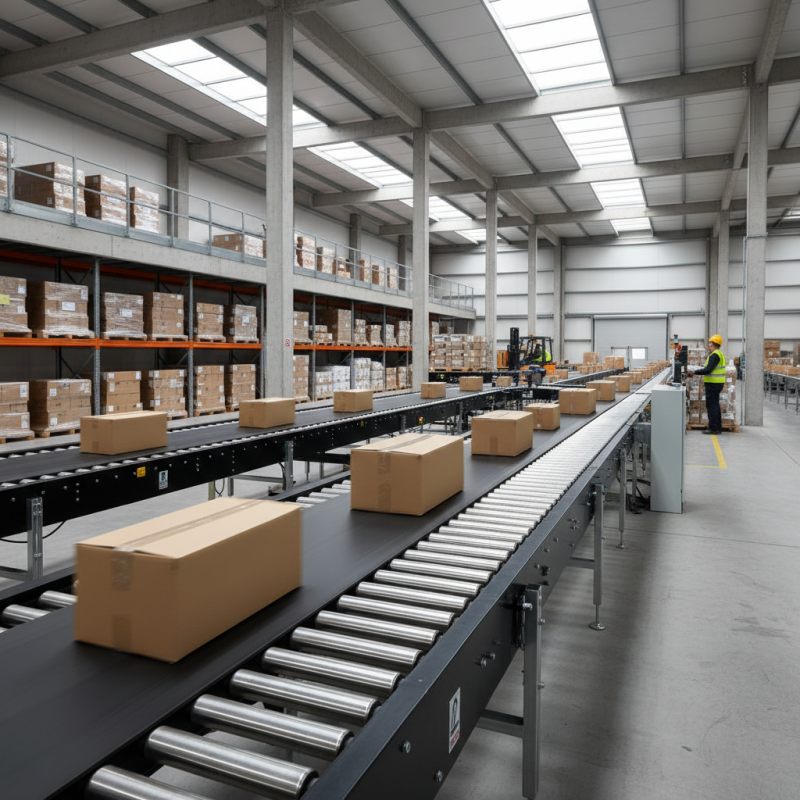
What is a Roller Belt: Definition and Overview
Roller belts are essential components in many industrial applications. They consist of a continuous loop of material that facilitates the movement of goods. The design allows for efficient transport along assembly lines, food processing units, and packaging machinery. Roller belts can handle heavy loads while reducing friction and wear, making them a preferred choice in various operations.
The core function of a roller belt lies in its movement mechanism. Typically, the belt runs over cylindrical rollers that reduce contact with the surface below. This innovation decreases resistance, enabling smoother operation. Rollers act as pivot points, allowing the belt to navigate corners and changes in elevation seamlessly. However, wear and tear on rollers can lead to inefficiencies over time. Regular maintenance checks are necessary to ensure optimal performance.
Understanding roller belts involves recognizing their diverse designs. Some are made from rubber, while others use composite materials for flexibility. Each type serves specific industries, from automotive to food sectors. It’s crucial to analyze the requirements of each application carefully. Finding the right roller belt involves weighing factors like load capacity, environment, and costs. Making the wrong choice can result in operational delays and increased expenses.
Key Components of a Roller Belt System
A roller belt system is essential for many industries. It transports materials efficiently across various distances. The effectiveness of this system relies on its key components.
Central to a roller belt system is the belt itself. Constructed from durable materials, the belt moves along a series of rollers. These rollers reduce friction, allowing for smoother operation. Another critical element is the drive motor, which powers the system. Its speed directly affects the movement of the belt.
Support structures hold everything in place. They must be robust to withstand heavy loads. Sensors also play a vital role by monitoring system performance and ensuring safety. Regular maintenance is necessary, but it’s often overlooked. This can lead to inefficient operations over time. Understanding these components helps in optimizing roller belt systems for better productivity.
What is Roller Belt and How Does It Work? - Key Components of a Roller Belt System
| Component | Description | Function |
| Belt Material | Typically made of rubber or PVC, offering flexibility and durability. | Transports items while maintaining grip and flexibility. |
| Rollers | Cylindrical components that support and guide the belt. | Facilitate smooth movement of the belt and reduce friction. |
| Drive System | Motor and gearbox that provide power to move the belt. | Initiates movement of the belt through mechanical power. |
| Idler Rollers | Support the belt in areas where there is no power applied. | Help maintain the belt's tension and alignment. |
| Chassis | The frame that supports all components of the roller belt system. | Provides structural integrity and stability to the system. |
| Sensors | Devices that monitor the position and speed of the belt. | Enhance automation by providing real-time data for operation. |
How Roller Belts Function in Material Handling
Roller belts play a vital role in material handling, employing a simple yet effective mechanism to transport goods. These belts consist of a series of rollers, allowing products to glide smoothly over the surface. The design reduces friction, which facilitates the movement of heavy and bulky items with ease. Operators appreciate this efficiency in various industries like manufacturing and logistics.
The operation of roller belts hinges on their ability to manage heavy loads. When an item is placed on the belt, the rollers beneath absorb the weight. This feature minimizes wear and extends the lifespan of the belt system. Furthermore, the modular nature of roller belts allows for customization. Businesses can adjust the length and width to suit their specific needs.
Despite their advantages, roller belts are not without challenges. Maintenance is crucial to prevent breakdowns. Dust and debris can accumulate in the rollers, hindering performance. Regular cleaning and inspection are essential for optimal operation. Users must also consider the belt's capacity limits. Overloading can lead to inefficiencies or even failures. Reflecting on these aspects can lead to better decision-making in material handling systems.
Applications of Roller Belts in Industry
Roller belts play a crucial role in various industrial applications by providing efficient movement of materials. These belts are designed with rollers that reduce friction, enabling smooth transport. In manufacturing, they help streamline processes, reducing the time goods spend in transit. Reports indicate that industries using roller belts can enhance operational efficiency by up to 30%.
In logistics, roller belts are vital for assembly lines. They assist in the accurate positioning of products. A study showed that automation can reduce labor costs by 20% when using roller systems. Additionally, food processing plants rely on roller belts to maintain hygiene while ensuring quick transport of goods. The ability to withstand extreme conditions, like temperature fluctuations, is critical in these settings.
Tip: Regular maintenance ensures roller belts operate efficiently. Inspections can help identify wear and tear before it becomes a major issue. Also, consider the weight capacity of your roller belt to avoid unnecessary stress and potential failure. Investing in the right equipment can save costs in the long run.
Benefits of Using Roller Belts in Transport Systems
Roller belts have become essential in modern transport systems. They offer various benefits, making them a popular choice for many industries. One significant advantage is their efficiency in moving goods. Unlike traditional conveyor systems, roller belts allow for smoother movement, reducing friction and wear on materials. This efficiency translates into lower energy consumption, making transport systems more environmentally friendly.
Another key benefit is their versatility. Roller belts can adapt to different products and environments. They can handle various weights and sizes, from small packages to heavy loads. This flexibility helps businesses optimize their operations. However, it's important to consider maintenance. Regular checks are necessary to ensure optimal performance. Neglecting maintenance could lead to increased downtime, affecting productivity.
Moreover, roller belts improve workplace safety. Their design minimizes the risk of product spills and accidents. A reliable transport system allows workers to focus on their tasks without constant worry. Still, understanding the limitations of roller belts is vital. They may not be suitable for all applications. Assessing the specific needs of a business is important before choosing a transport solution.