What is Mylar Tape and How is it Used in Industries?
Mylar Tape, a versatile polyester film tape, plays a significant role across various industries. This tape is known for its durability and excellent insulating properties. Reports indicate that the global adhesive tape market is projected to reach $70 billion by 2030, highlighting the increased demand for specialized tapes like Mylar. Industries such as electronics, automotive, and healthcare are major consumers of Mylar Tape due to its ability to withstand extreme temperatures and resist moisture.
The electrical sector particularly values Mylar Tape for its insulating capabilities. Companies rely on its performance to ensure safety and efficiency in devices. However, the reliance on such materials raises questions. Are we fully aware of the environmental impact of Mylar production and disposal? As more firms adopt Mylar Tape, the industry must reflect on sustainability practices. Balancing efficiency and responsibility becomes crucial as Mylar Tape continues to grow in popularity.
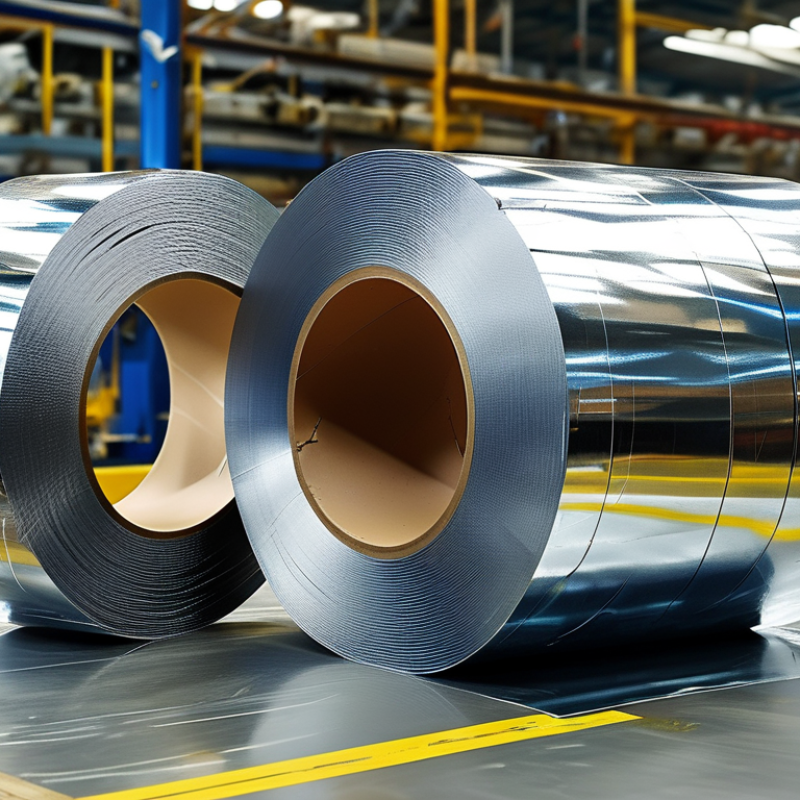
What is Mylar Tape and Its Composition
Mylar tape is a versatile material used in many industries. It is made from polyester film, which is known for its strength and flexibility. This composition makes it ideal for various applications. Mylar tape is often coated with a thin layer of adhesive, enhancing its adhesion properties. This allows it to bond effectively with different surfaces.
One common use of Mylar tape is in electrical insulation. Its excellent dielectric strength ensures safety in electrical components. Additionally, Mylar tape is praised for its resistance to humidity and temperature fluctuations. Many industries utilize it for sealing and protecting items from moisture or dust. In the manufacturing sector, it plays a crucial role in labeling and packaging.
However, organizations should assess its environmental impact. While Mylar tape provides many benefits, it is plastic-based. Finding a balance between its utility and sustainability remains a topic of discussion. As industries innovate, the focus on eco-friendly alternatives continues to grow. Mylar tape highlights the need for continuous improvement and thoughtful use as technology advances.
Common Properties and Characteristics of Mylar Tape
Mylar tape, a polyester film, has unique properties that make it widely utilized in various industries. The tape is resistant to moisture and chemicals, ensuring durability and longevity. Its temperature tolerance ranges from -70°C to 150°C, providing versatility in different environments. According to industry reports, Mylar tape is used extensively in electronics for insulation purposes, with a breakdown voltage up to 6 kV.
The adhesive used on Mylar tape enhances its effectiveness. This tape has high tensile strength yet remains lightweight. In applications such as automotive and aerospace, where reliability is critical, these characteristics are invaluable. A report from the Adhesive and Sealant Council indicates that demand for high-performance tapes has increased by 20% over the last five years. This trend highlights the importance of Mylar tape in manufacturing and assembly processes.
However, while Mylar tape shows impressive characteristics, not all applications suit it perfectly. Some temperatures may reduce adhesive effectiveness, leading to potential failures. Practical testing in specific environments often reveals such limitations. Users should consider testing their intended applications for optimal performance. Understanding these intricacies can aid in selecting the right materials for projects.
What is Mylar Tape and How is it Used in Industries? - Common Properties and Characteristics of Mylar Tape
| Properties/Characteristics | Description |
| Material Composition | Polyester film, providing excellent insulation |
| Thermal Resistance | Can withstand temperatures up to 150°C (302°F) |
| Electrical Insulation | High dielectric strength and low loss factor |
| Chemical Resistance | Resistant to oils, solvents, and other chemicals |
| Thickness Options | Available in various thicknesses from 0.25 mil to 10 mil |
| Adhesive Types | Available with acrylic, rubber, or silicone-based adhesives |
| Applications | Used in electrical insulation, packaging, and labeling |
| Recyclability | Generally recyclable depending on local regulations |
Applications of Mylar Tape in Various Industries
Mylar tape is a versatile material used across various industries. Its unique properties make it an ideal choice for applications requiring insulation and protection. In the electronics industry, Mylar tape is commonly used for insulation in circuits. It prevents electrical leakage and minimizes short circuits. This is critical in maintaining the reliability of electronic devices.
In the packaging sector, Mylar tape enhances product durability. It is often employed for sealing bags and containers. The tape’s moisture resistance helps in prolonging shelf life. Food and pharmaceutical industries rely on these characteristics for safe product storage. However, finding the right adhesive strength is essential. Too strong can damage materials; too weak fails to hold.
Manufacturing also benefits from Mylar tape. It is used in processes demanding high temperature resistance. Applications include shielding components from heat and abrasion. This helps in preserving product integrity during production. However, not all tapes work well in every scenario. Testing is crucial to ensure the right fit for specific needs.
Benefits of Using Mylar Tape in Industrial Settings
Mylar tape is a versatile tool in many industries. Its unique properties make it a popular choice for various applications. In industrial settings, Mylar tape is often used for insulation, protection, and sealing. The tape's ability to resist moisture and chemicals enhances safety and durability. This is crucial for machinery and electrical components.
The benefits of using Mylar tape are significant. Its high-temperature resistance provides excellent protection against heat. Many industries rely on this feature. For instance, in manufacturing processes, Mylar tape can withstand extreme conditions. This can lead to fewer equipment failures and reduced downtime. Moreover, Mylar tape's strong adhesive properties ensure that it stays in place. It can enhance the longevity of vital components.
Despite its advantages, some users face challenges. For example, applying Mylar tape requires precision to avoid air bubbles. Mishaps during application can impact performance. Users may need to practice to master its use. Nonetheless, when used correctly, it offers considerable benefits, making it an essential material in industrial environments.
Comparisons with Other Tapes and Materials in Use
Mylar tape is a versatile material known for its durability and heat resistance. It excels in various applications, but how does it compare to other types of tape? When looking at traditional adhesive tapes, such as duct tape or masking tape, Mylar stands out. Its specialized coatings offer higher temperature tolerance and exceptional electrical insulation, making it ideal for industries like electronics.
Unlike standard tapes, Mylar tape is designed to withstand harsh environments. For example, in aerospace, Mylar is preferred for thermal protection. It prevents heat transfer effectively, unlike many vinyl or paper-based tapes. These tapes can melt or lose adhesion when exposed to extreme conditions, leading to failures. It's crucial to note that while Mylar tape is strong, it may not be as easy to handle as others. Users need experience for optimal application.
In contrast to foils and plastics, Mylar tape provides a unique combination of flexibility and strength. It offers better barrier qualities than most standard materials. However, its cost is generally higher, which raises questions about budget constraints in some industries. There’s a balance to be struck between performance and expenses when choosing materials. Learning where Mylar excels can lead to more informed decisions.