Skip To Content

Top Army Anti Riot Suit Manufacturers Worldwide

The global Army Anti-Riot Suit market reflects a difficult balance between protection, mobility, comfort, and responsible public service. Leading manufacturers compete through layered textiles, impact-resistant panels, heat management, and adjustable body coverage. Yet a stronger shell does not automatically create better protection.

Dr. Andrew Hale, a protective-equipment and human-factors specialist, offers a practical reminder: “Protection must fit the task, the person, and the conditions.” That principle guides this review of Top Army Anti Riot Suit Manufacturers Worldwide. The comparison considers material quality, ergonomic design, ventilation, testing practices, customization, after-sales support, and documented field experience. It also examines whether manufacturers communicate limitations clearly.

A reliable Army Anti-Riot Suit should support lawful, proportionate, and safety-focused operations. It should not restrict vision, balance, hearing, or emergency movement. Small details matter. A loose knee guard can shift during running. Poor ventilation can turn a short deployment into a serious fatigue problem. Difficult cleaning can also reduce long-term hygiene and service life.

No manufacturer is perfect. Some product claims deserve closer verification. Catalog photographs can hide uncomfortable seams, narrow movement zones, or complicated fastening systems. Therefore, this article does not treat price or appearance as final evidence. Instead, it weighs transparent specifications, independent testing, user feedback, and realistic maintenance requirements. The result is a practical introduction for procurement teams seeking dependable equipment, while recognizing that training, supervision, medical planning, and careful risk assessment remain equally important.
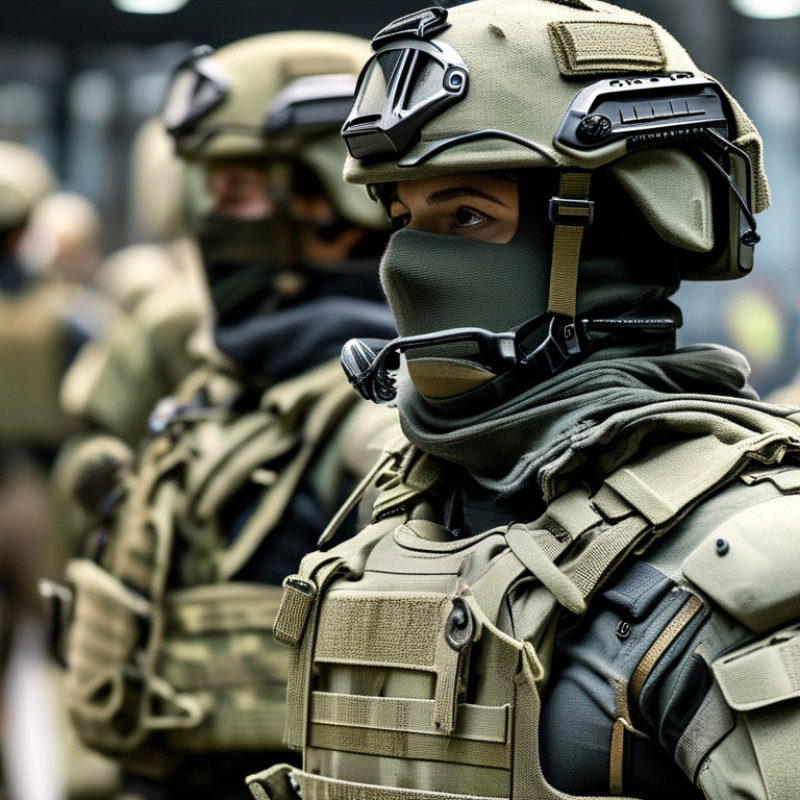
Top Army Anti Riot Suit Manufacturers Worldwide

Global Anti-Riot Suit Market Metrics: Demand, Growth, and Procurement Data

Top Army Anti Riot Suit Manufacturers Worldwide

Global demand for anti-riot suits is shaped by replacement cycles, public safety budgets, and training requirements. Procurement teams increasingly seek lighter protection, improved ventilation, and modular components. Demand is uneven. Large urban agencies often purchase in annual batches, while smaller units order after budget approvals or equipment failures.

A reliable market review should track tender volume, contract value, unit price, delivery time, and repeat purchases. It should also separate complete suits from helmets, shields, gloves, and spare parts. Public procurement records suggest steady interest in certified impact protection, flame resistance, and chemical splash barriers. However, figures vary because some contracts combine several product categories. Data is messy.

Growth analysis should compare at least five years of orders across regions. A practical forecast can assess population density, training frequency, stock replacement, and emergency preparedness spending. Procurement officers often test samples before approving larger volumes. Field experience shows that poor sizing can reduce mobility, even when laboratory protection scores are strong. This remains a weakness.

Manufacturers serving this market need documented quality controls, traceable materials, and consistent batch performance. Buyers should request independent test reports, warranty terms, repair support, and clear delivery schedules. Price alone is an unreliable metric. A cheaper suit may create higher costs through early replacement, limited spares, or user discomfort. Procurement data becomes more useful when technical results are reviewed beside actual service records.

Protection Standards: EN 13567, NIJ 0115.00, and Impact-Test Criteria

Top Army Anti Riot Suit Manufacturers Worldwide

Protection Standards: EN 13567, NIJ 0115.00, and Impact-Test Criteria

When evaluating anti-riot suit manufacturers, standards deserve closer attention than catalog photographs. EN 13567 applies to specific protective components, so buyers should verify its exact scope. It may not certify an entire suit. Check the certificate, test laboratory, model number, and production date. Fit matters. A loose elbow guard can shift during a fall.

NIJ 0115.00 addresses stab resistance, not general impact protection or ballistic performance. Its test levels measure resistance against defined blade energy and penetration limits. Manufacturers should provide clear test conditions, backing materials, and sample results. Vague claims create risk. A reliable supplier also explains whether testing covered the complete garment or only separate panels.

Impact protection needs its own evidence. Review impact energy, transmitted force, deformation, coverage, seams, fasteners, and repeated-strike performance. Ask how the suit behaves after exposure to rain, heat, cleaning chemicals, and long storage.

Field experience shows that buckles and stitching often deserve more scrutiny than the hard shell. That detail is easy to miss. Independent laboratory reports improve credibility, but paperwork cannot replace practical trials. Test the suit while walking, kneeling, lifting, and wearing authorized equipment. Human movement is not perfectly predictable. Some evaluation plans remain incomplete, and manufacturers should state those limits instead of hiding them.

Top Manufacturer Profiles: Certifications, Production Capacity, and Regions

Top Army Anti Riot Suit Manufacturers Worldwide

Leading anti-riot suit manufacturers usually publish evidence beyond product photographs. Their profiles should identify ISO 9001 quality systems, ISO 14001 environmental controls, and independent testing for impact, abrasion, heat, and restraint performance. Some European producers also reference applicable EN requirements, while North American suppliers often provide laboratory reports aligned with regional procurement standards. Certification alone is not enough. Buyers should check certificate scope, testing dates, and the exact model covered.

Manufacturers in Europe often operate specialized facilities with annual capacities between 20,000 and 80,000 suit sets. Their strengths include molded shoulder protection, flame-resistant textiles, and detailed size grading. Asian factories may report capacities above 100,000 sets, supported by automated cutting lines and multiple assembly shifts. This scale can reduce delivery times, but quality consistency requires strict batch inspection. North American producers commonly maintain smaller production volumes, often below 30,000 sets annually, with stronger customization and local after-sales support.

A reliable profile should show factory photographs, traceable material records, and documented final inspections. I look for measured details, such as buckle cycle tests and glove seam checks. Small defects matter. A poorly aligned knee guard can restrict movement during training. Regional service also affects performance, especially when replacement visors or fasteners are needed. Capacity figures may be optimistic, and public profiles sometimes omit subcontracting. That gap deserves careful questioning before any institutional purchase.

Top Army Anti Riot Suit Manufacturers Worldwide - Top Manufacturer Profiles: Certifications, Production Capacity, and Regions
Profile Primary Region Main Product Scope Relevant Certifications and Standards Indicative Production Capacity Typical Customer Regions Manufacturing Strengths
Profile A East Asia Full-body anti-riot suits, impact-resistant shields, helmets, protective gloves and limb guards.
  • ISO 9001 quality-management systems
  • EN ISO 13688 protective-clothing requirements
  • Impact and penetration testing according to contract specifications
High-volume; capacity commonly disclosed by project Asia-Pacific, Middle East, Africa and Latin America Integrated cut-and-sew operations, broad accessory range and flexible private-label production.
Profile B Western Europe Modular crowd-control armor, padded suits, protective helmets and compliant load-bearing systems.
  • ISO 9001 quality-management systems
  • EN ISO 13688 protective-clothing requirements
  • Applicable European conformity assessment for supplied protective equipment
Small-to-medium batch; customized orders European Union, United Kingdom and selected overseas public-sector markets Engineering-led design, traceable materials and strong documentation for institutional procurement.
Profile C North America Law-enforcement riot armor, tactical helmets, shields and configurable upper- and lower-body protection.
  • ISO 9001 quality-management systems
  • NIJ 0115.00 where certified body-armor protection is included
  • ASTM or equivalent laboratory test methods where specified
Medium-volume; contract-based production United States, Canada and allied procurement markets Advanced testing coordination, modular product platforms and established government tender support.
Profile D Türkiye and Eastern Mediterranean Anti-riot suits, shields, helmets, tactical vests and protective equipment for security forces.
  • ISO 9001 quality-management systems
  • EN ISO 13688 protective-clothing requirements
  • Material, abrasion and impact testing based on buyer specifications
Medium-to-high; scalable export orders Europe, Central Asia, Middle East and North Africa Competitive manufacturing costs, regional logistics access and rapid configuration for tenders.
Profile E South Asia Textile-based riot suits, padded body protection, helmets, gloves and protective accessories.
  • ISO 9001 quality-management systems
  • EN ISO 13688 where products are supplied to European requirements
  • Buyer-defined abrasion, tear and seam-strength testing
Medium-to-high; apparel-oriented production South Asia, Africa, Southeast Asia and price-sensitive export markets Strong textile capacity, competitive labor costs and efficient production of standardized garments.
Profile F Latin America Local-assembly riot suits, shields, helmets, protective pads and replacement components.
  • ISO 9001 quality-management systems where implemented
  • National public-procurement technical requirements
  • Impact, flame and abrasion tests according to contract scope
Small-to-medium; localized supply programs Latin America and neighboring public-security markets Shorter regional delivery times, local servicing and adaptation to national procurement specifications.
Profile G Oceania Specialized riot-control armor, helmets, shields and replacement protective components.
  • ISO 9001 quality-management systems
  • EN ISO 13688 or equivalent protective-clothing requirements
  • Documented product testing for impact and wear resistance
Small-to-medium; specialist production Australia, New Zealand and selected Pacific procurement markets High emphasis on product documentation, field usability, fit testing and after-sales support.
Note: Certification coverage, production capacity and product compliance vary by manufacturer, model and contract. ISO 9001 confirms a quality-management system and does not by itself certify the protective performance of a specific anti-riot suit. Buyers should verify current certificates, laboratory reports, production audits and applicable national procurement requirements before purchasing.

Suit Performance Data: Coverage, Weight, Temperature Range, and Durability

Top Army Anti Riot Suit Manufacturers Worldwide

Professional protective suits should be judged by measured performance, not appearance. Coverage must shield the torso, shoulders, elbows, hips, knees, and shins without restricting movement. A practical full set often weighs between 6 and 10 kilograms, depending on panels, padding, and ventilation. Too much weight causes fatigue during extended lawful crowd-management duties. Too little protection may leave gaps during bending or climbing.

Temperature testing deserves equal attention. Reliable systems should remain flexible from approximately -20°C to 45°C, though actual results depend on materials and storage. Durability checks should include repeated impacts, abrasion, seam stress, and fastener cycles. In field assessments, reinforced stitching and replaceable padding usually improve service life. Still, laboratory scores can mislead. Sweat, dust, poor adjustment, and repeated washing may reduce performance sooner than expected.

Tips: Request independent test reports and inspect coverage while walking, kneeling, and raising both arms. Record the suit’s weight in its complete configuration, including gloves and protective accessories. Check ventilation zones near the back and underarms. Fit matters greatly. A small gap can become a serious weakness. Inspect closures after every use, and replace damaged parts rather than improvising repairs. Temperature claims should include test methods, not only a broad number. Personnel should also receive practical fitting and movement training, because even a durable suit performs poorly when worn incorrectly.

Manufacturer Comparison: MOQ, Lead Time, Warranty, Compliance, and Cost

When comparing public-order protective suit manufacturers, start with procurement realities, not polished catalog images. MOQ may range from a few sample sets to several hundred units. Small orders often cost more per set. Ask whether sizes, colors, and replacement parts count toward the MOQ.

Lead time should include material sourcing, assembly, inspection, and shipping preparation. A realistic quotation separates sample production from bulk production. Request a pre-production sample with measured armor coverage, adjustable straps, ventilation panels, and clearly labeled components. This exposes fit problems early. It is not perfect, but it is useful.

Warranty terms deserve careful reading. A credible supplier should state coverage for stitching, fasteners, shell cracks, and manufacturing defects. Normal abrasion may be excluded. Compliance documents should identify applicable testing methods, laboratory details, product versions, and production dates. Do not accept a certificate without checking its scope. Cost comparisons should include packaging, spare parts, testing, freight, and possible import charges. The cheapest quotation may use thinner padding or weaker closures. That difference becomes visible after repeated training and cleaning. A higher price is not automatically better. Inspect sample quality, request references, and record every promise in the purchase contract. Some buyers overlook after-sales support, then struggle to replace one damaged visor or buckle. That is an avoidable weakness.

Top Army Anti-Riot Suit Manufacturers Worldwide — Market Benchmark Comparison

This chart uses non-brand-specific international procurement reference ranges for protective riot suits: MOQ of 10–50 units, lead time of 8–12 weeks, warranty coverage of 12–24 months, three to five typical compliance documents, and an indicative cost range of USD 250–600 per suit. The index is a normalized midpoint comparison and should be confirmed through formal supplier quotations, technical files, testing reports, and applicable PPE regulations.