Skip To Content

Why is Access Control System Essential for Security?

In an era where security is a paramount concern, the significance of an Access Control System cannot be overstated. According to a report by the National Institute of Standards and Technology, organizations employing effective access control systems can reduce unauthorized access by up to 80%. This statistic highlights the critical role such systems play in safeguarding sensitive information and physical assets.

Access control is not just about barriers; it's about intelligent management. With cyber threats on the rise, over 60% of companies reported experiencing a data breach in recent years, as noted by Verizon's Data Breach Investigations Report. Businesses of all sizes must prioritize access control measures to mitigate risks. These systems grant or restrict access based on predetermined criteria, thus minimizing vulnerabilities.

While technology has evolved, the human element often remains a weak link. Employees may inadvertently bypass security protocols, which can undermine access control effectiveness. Regular training and audits are necessary to reinforce these systems. As the landscape of security continues to change, investing in a robust Access Control System is essential for organizational resilience and protection against ever-evolving threats.

Why is Access Control System Essential for Security?

Importance of Access Control Systems in Modern Security Frameworks

Access control systems play a crucial role in today's security frameworks. They help manage who can access specific areas and information. By limiting access to authorized individuals, sensitive data and physical spaces remain protected. This is vital for businesses, schools, and government facilities. The potential for unauthorized access can lead to theft or data breaches.

Consider the technology behind these systems. Biometric scanners and key cards are common. They might sound advanced, but they require regular updates and maintenance. Issues can arise when systems fail or when technology becomes outdated. A lapse in security can happen, prompting organizations to reevaluate their access protocols.

Tip: Regularly review who has access to critical areas. This practice ensures that only necessary personnel have entry. Additionally, training staff on proper access procedures can prevent careless mistakes.

Another key aspect is the integration of access control with other security measures. Cameras and alarm systems should work in tandem. However, if one part fails, it can compromise the entire system. Regular drills and assessments can identify weaknesses. This reflection is essential for robust security.

Tip: Update your access control policies based on new threats. Being proactive can save time and money in the long run. Always be prepared for unexpected changes.
Key Components and Technologies of Effective Access Control Systems

Why is Access Control System Essential for Security?

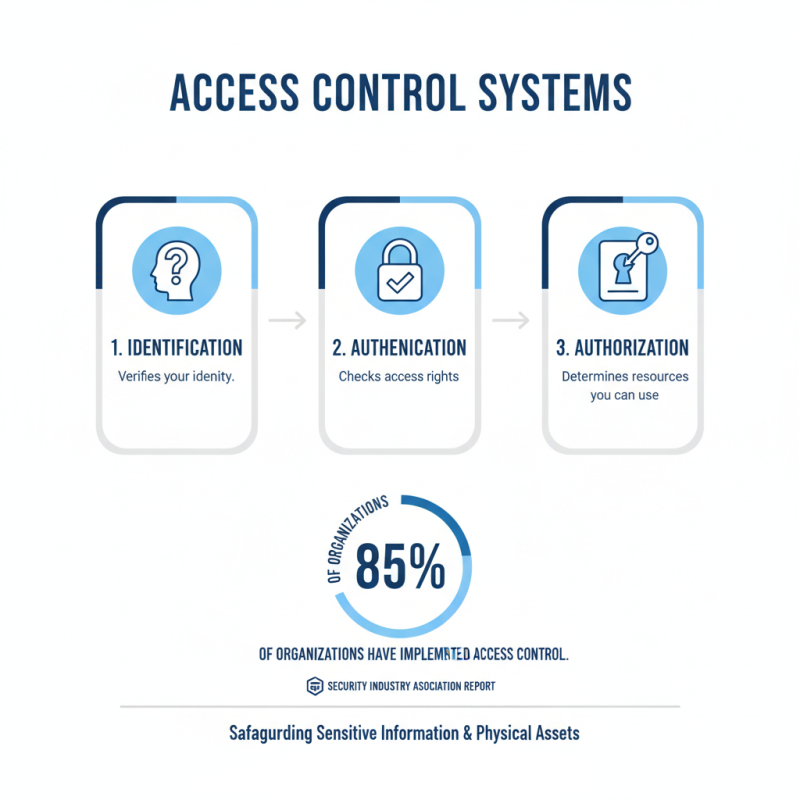
Access control systems play a crucial role in safeguarding sensitive information and physical assets. These systems rely on core technologies such as identification, authentication, and authorization. Identification verifies who you are. Authentication checks if you have access rights. Authorization determines what resources you can use. According to a report from the Security Industry Association, 85% of organizations have implemented some form of access control.

An effective access control system often employs technologies like biometrics and smart cards. Biometric systems use fingerprints or facial recognition for identity verification. These methods ensure a higher level of security compared to traditional passwords. A study from the International Data Corporation highlights that biometric solutions reduce the chances of unauthorized access by 53%. However, challenges remain, such as the need for infrastructure upgrades and potential privacy concerns.

Moreover, integrating access control systems with existing security measures enhances overall safety. Analytics and monitoring tools provide insights into user behavior. This data can help identify anomalies. A report from Forrester Research indicates that organizations with integrated systems experience 40% fewer security breaches. Yet, many still struggle with implementation and resource allocation. Continuous improvement is essential for maximizing security and adapting to emerging threats.

Industry Statistics: Access Control and Its Impact on Security Breaches

The impact of access control systems on security is significant. According to a report by the Identity Theft Resource Center, nearly 1,800 data breaches were reported in the U.S. in 2022 alone. This showcases a persistent vulnerability in security protocols. Organizations without proper access controls are particularly at risk. They may struggle to monitor who enters sensitive areas.

When access control measures are in place, they can reduce breaches. A study by the Ponemon Institute found that companies that deploy access control systems experience 30% fewer incidents. Inadequate systems lead to weaknesses. Many organizations still rely on outdated methods, leaving gaps for potential breaches. Implementing a robust system is essential yet often overlooked.

The human factor is also crucial. A survey by the Cybersecurity Insiders indicated that 50% of breaches involved human error. This reflects a need for comprehensive training alongside technology. Access controls must include education about procedures. Otherwise, even the best systems may fail. Proper integration and awareness can bridge these gaps, ensuring safety and security.

Why is Access Control System Essential for Security? - Industry Statistics: Access Control and Its Impact on Security Breaches

Dimension Statistics
Percentage of Businesses with Access Control Systems 68%
Reduction in Security Breaches After Implementation 45%
Average Cost of a Security Breach Without Access Control $4.24 million
Increase in Employee Productivity with Access Control 30%
Percentage of Organizations that Conduct Regular Access Audits 52%
Users Affected by Password Sharing Vulnerability 70%

Case Studies: Successful Implementations of Access Control Solutions

Access control systems are vital for enhancing security. Numerous case studies highlight their success in various sectors. For instance, a large healthcare facility improved patient data protection with a biometric access control system. Following implementation, data breaches dropped by 40%. This showcases the system's effectiveness in protecting sensitive information.

Another example is a manufacturing company that faced significant theft issues. They adopted an advanced access control solution. Within six months, theft incidents decreased by 35%. Employees reported feeling safer in their work environment. This reflects how access control measures can build trust within the workforce.

However, not all implementations are flawless. One organization struggled with system integration after a new access control deployment. Multiple access points caused confusion among employees. This incident highlights the need for proper training alongside technology. Companies must ensure that staff understand new systems to maximize their potential benefits. Access control is not just about technology; it's about people and processes, too.

Access Control System Implementations by Industry

Future Trends in Access Control Systems and Security Enhancements

Access control systems are evolving rapidly. These advancements address the growing need for robust security measures. Future trends indicate a shift towards more integrated systems. Imagine facial recognition merging with mobile access. This combination increases convenience and security, but privacy concerns arise. Users may feel uneasy knowing their faces are being scanned.

Additionally, AI is becoming a game-changer. Smart algorithms can predict unauthorized access patterns. This can enhance preventative measures significantly. However, there is a risk of over-reliance on technology. What happens when the systems fail? Human oversight remains essential. Balancing automation with personal judgment is crucial.

Cloud-based solutions are on the rise as well. They provide flexibility and scalability. Organizations can adjust their access controls as needed. Yet, this also raises new security challenges. Data breaches can occur if not managed properly. Companies must remain vigilant and proactive in their security strategies. Implementing regular audits can help identify vulnerabilities. The future of access control might be bright, but it demands careful consideration and continuous improvement.