What is a Fingerprint Machine and How Does it Work?
Fingerprint machines have become essential tools in various industries, especially for security and identification purposes. According to a recent market research report by BMI Research, the global biometric technology market is expected to reach $59 billion by 2025, with fingerprint recognition leading the way. This growth signifies the rising demand for precise identification methods.
Dr. Alice Thompson, a leading expert in biometric systems, states, "The evolution of fingerprint machines has revolutionized security protocols across many sectors." Her insight highlights the transformative impact these devices have on modern security measures. The accuracy of fingerprint machines is impressive, yet they are not infallible. Instances of false negatives and positives can occur, prompting discussions about reliance on technology.
As industries adopt fingerprint machines more widely, we must consider their implications. Are we prepared for potential privacy concerns? How do we balance security and personal freedom? These questions require thoughtful consideration as we move forward with this innovative technology.
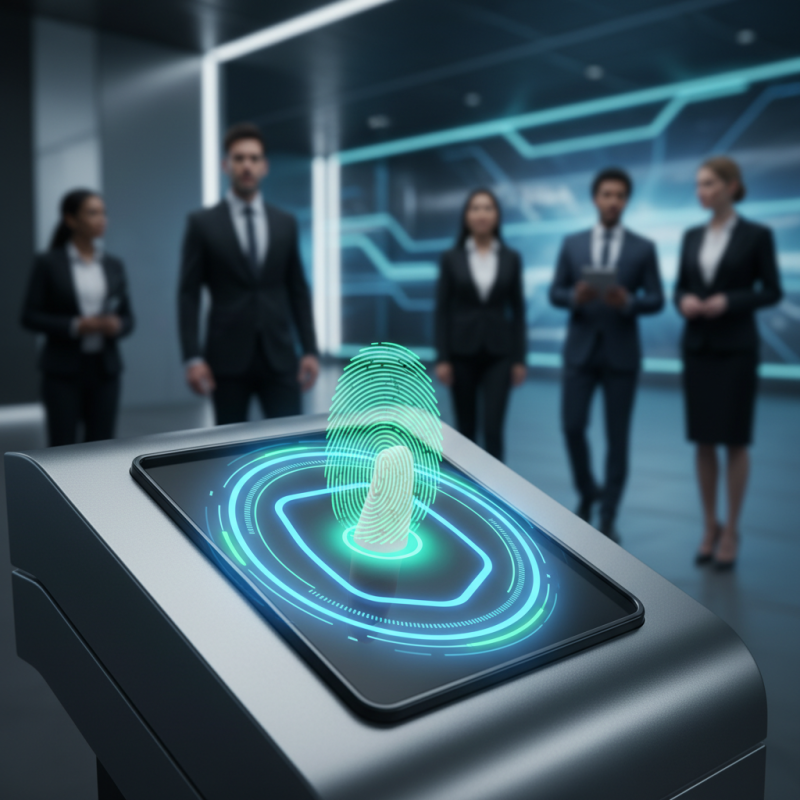
What is a Fingerprint Machine?
A fingerprint machine is a biometric device that captures and analyzes the unique patterns of an individual's fingerprints. These machines use advanced technology to scan and recognize the ridges and valleys present on a finger. According to a market report by Research and Markets, the global biometric market is expected to reach $59.18 billion by 2025, showcasing the rapid growth of such technologies.
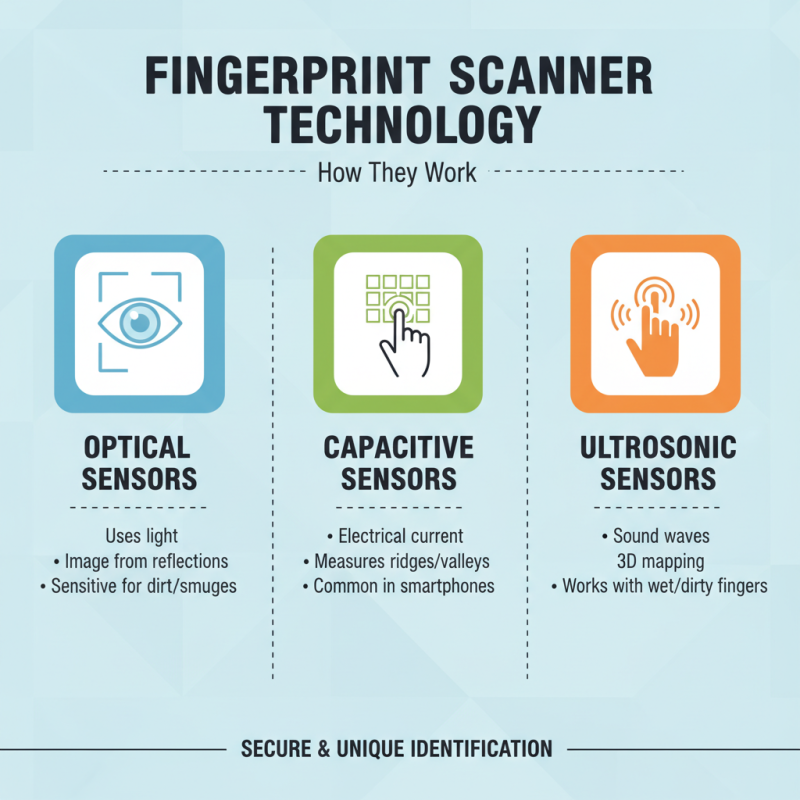
The working mechanism of a fingerprint machine typically involves an optical, capacitive, or ultrasonic sensor. Optical sensors use light to capture an image of the fingerprint, while capacitive sensors measure the electrical differences between ridges and valleys. Interestingly, while these technologies are effective, they can still face challenges. Environmental factors, like dirt or moisture, can affect accuracy. Additionally, the machines rely heavily on a database of stored fingerprints, which raises concerns about privacy and data security.
Despite their advancements, fingerprint machines may not be foolproof. Reports indicate that false acceptance and rejection rates can vary significantly based on sensor quality. Some studies suggest an error rate as high as 0.1% in certain systems. This calls for continuous improvement and rigorous testing. As biometric identification becomes more common, it’s essential to address these flaws and enhance reliability.
What is a Fingerprint Machine and How Does it Work?
| Feature |
Description |
| Technology |
Optical, Capacitive, Ultrasonic |
| Usage |
Access control, Time and attendance systems, Identity verification |
| Advantages |
High accuracy, Uniqueness, Non-repudiation |
| Components |
Scanner, Processor, Software, Database |
| Applications |
Mobile devices, Law enforcement, Banking systems |
| Challenges |
False negatives, Environmental factors, User education |
The Technology Behind Fingerprint Recognition
Fingerprint recognition technology relies on unique biometric patterns. Each person's fingerprints have distinct ridge patterns. This uniqueness makes fingerprints reliable for identification.
According to a recent industry report, the global biometric market is expected to surpass $60 billion by 2025. This growth highlights the increasing reliance on secure identification methods. Fingerprint machines are becoming more common in various sectors, including security and mobile devices. However, challenges remain. Factors such as skin condition and environmental aspects can affect recognition accuracy.
Moreover, while fingerprint technology is effective, it is not flawless. There are instances of false positives and negatives. An estimated 1 in 1000 scans may not succeed. Ensuring user privacy and data security is crucial as well. The technology must evolve to address these concerns while maintaining a balance between convenience and security.
How Fingerprint Machines Capture Fingerprints
Fingerprint machines are sophisticated devices that capture unique patterns from an individual's fingertips. They use advanced sensors for this purpose. These sensors can be optical, capacitive, or ultrasonic. Each type has its strengths and weaknesses. Optical sensors, for instance, use light to create a fingerprint image. However, they are sensitive to smudges and contaminants.
In terms of performance, statistics show that fingerprint recognition systems can achieve accuracy rates above 98%. Yet, they are not infallible. Common issues include false rejections and misidentifications. A study cited in industry reports indicated that about 2-3% of users may experience difficulty during the scanning process. This is a significant factor to consider when deploying such systems in high-security environments.
The capturing process itself typically involves placing a finger on a designated area of the machine. The sensor then collects data points to form a digital representation of the print. This representation is compared to stored templates for verification. However, environmental factors may impact efficiency. For instance, moisture on fingers can lead to inaccurate readings. Many users report frustrations during scanning. These nuances highlight the importance of continuous improvement in fingerprint technology.
The Process of Matching Fingerprints in Machines
Fingerprint machines analyze unique patterns on an individual's fingertips. The process of matching fingerprints involves several steps. Initially, a user places their finger on a scanner. The device captures a high-resolution image of the fingerprint. This data is then converted into a digital template that highlights distinct features.
The matching process begins when another fingerprint is scanned. The machine compares the new fingerprint template to stored templates. It looks for similarities in ridge patterns and minutiae points. These are tiny features like ridge endings or bifurcations. If the characteristics align, the machine confirms a match.
Tips: Always ensure your fingers are clean and dry before using a fingerprint machine. Moisture or dirt can affect accuracy. Additionally, understand that not all matching processes are flawless; environmental factors may lead to errors. It is vital to regularly update the fingerprint database for improved accuracy and security.
Applications and Benefits of Fingerprint Machines
Fingerprint machines serve many practical applications across various industries. They enhance security by providing accurate identity verification. In workplaces, these machines help in time tracking. Employees can log in and out securely. It reduces unauthorized access.
Another significant benefit is in law enforcement. Fingerprint machines assist in criminal identification. They analyze patterns effectively. This speedy identification aids investigations. Additionally, educational institutions utilize these devices for attendance monitoring. Students can check in effortlessly.
Despite their advantages, there are challenges. Fingerprint data can sometimes be misread. Environmental factors, like dirt or moisture, may affect accuracy. Users must also understand privacy concerns. Ensuring data protection is crucial. As technology evolves, we must reflect on how to balance convenience and security.
Applications of Fingerprint Machines