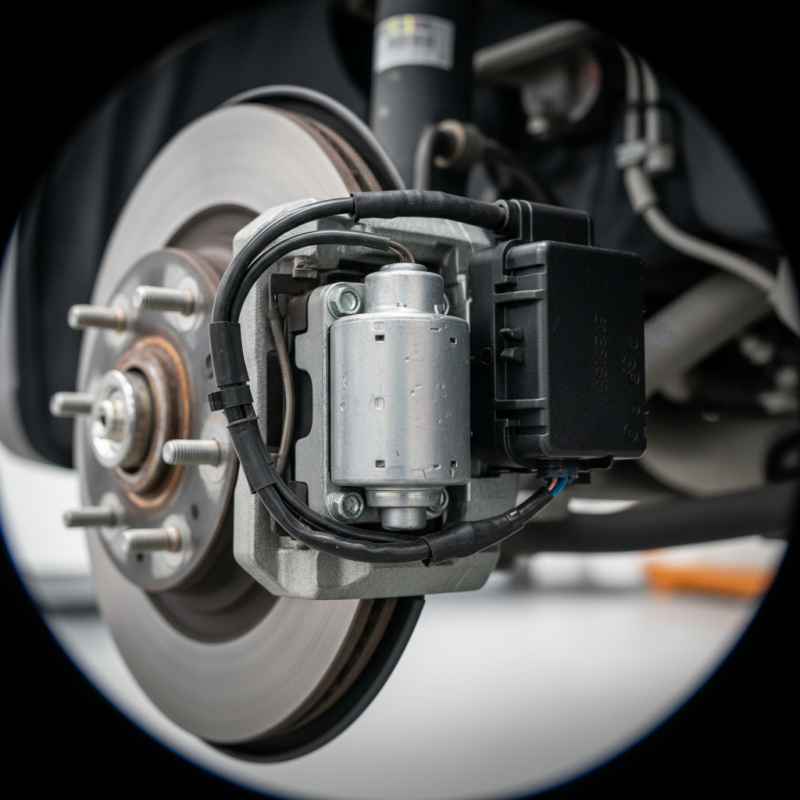
What is an Electronic Parking Brake Motor and How Does It Work?
The Electronic Parking Brake Motor plays a crucial role in modern vehicles. This innovative component replaces the traditional handbrake. It enhances driving convenience and safety, but the technology can be complex.
Understanding the Electronic Parking Brake Motor involves exploring its function and mechanics. It uses electrical signals to engage and disengage the brake system. When the driver presses a switch, the motor activates. Unfortunately, issues can arise, such as malfunctioning sensors or wiring problems. These can compromise safety and performance.
As cars continue to evolve, reliance on this technology will grow. However, it's essential to acknowledge that not every vehicle owner fully understands it. This lack of knowledge can lead to misconceptions and distrust. Exploring how the Electronic Parking Brake Motor works clarifies its importance in modern automotive engineering.
What is an Electronic Parking Brake Motor?
An electronic parking brake motor is a crucial component in modern vehicles. This system replaces traditional mechanical brakes with an electronic solution. It utilizes a motor to engage the brake. According to industry reports, electronic parking brake systems are expected to grow at a compound annual growth rate (CAGR) of around 8% from 2021 to 2027. This growth is driven by the increasing demand for advanced safety features.
The electronic parking brake motor operates through a series of sensors and control units. When the driver activates the brake, the system interprets this input and drives the motor to apply the brakes. This process is quicker and more precise than mechanical systems. Research indicates that such systems can enhance vehicle safety by reducing incidents of unintentional rollaway. A significant 30% reduction in accidents has been noted in vehicles equipped with electronic parking brakes.
However, some challenges persist. For example, electronic systems are more complex and may be prone to failure if exposed to harsh conditions. There have been instances where software glitches led to unintended disengagement. Ongoing research and development aim to address these issues. Experts highlight the need for improving the reliability of these systems to ensure driver confidence.
Components of an Electronic Parking Brake System
An Electronic Parking Brake (EPB) system includes several key components that work together seamlessly. The main part is the electronic parking brake motor. This motor is responsible for applying and releasing the brake. It interacts with sensors to ensure that the brake engages only when needed. This added accuracy enhances safety.
Another crucial component is the control module. This module processes signals from the vehicle's control systems. It determines when to activate the electronic motor. The system may also include a switch located inside the vehicle. This switch allows the driver to engage or disengage the brake effortlessly. An intuitive design is vital, but sometimes these switches can be unresponsive, leading to confusion for the driver.
Lastly, there are the sensors that provide feedback to the control module. They help monitor the brake status, ensuring it functions correctly. However, if a sensor malfunctions, it could lead to issues. Drivers may notice unexpected behavior, which could be alarming. Regular maintenance is essential to address these potential pitfalls and ensure a reliable parking brake system.
How the Electronic Parking Brake Motor Operates
An Electronic Parking Brake Motor is a crucial component in modern vehicles. It automates the process of engaging and releasing the parking brake. This motor takes commands from the vehicle’s electronic control unit (ECU). When the driver presses the button to activate the brake, the ECU triggers the motor. This operation ensures efficiency and precision, reducing the need for manual effort.
The operation of the electronic parking brake motor relies on a combination of electrical and mechanical forces. Inside the motor, an electric current generates magnetic fields. These fields turn the rotor, which then engages the brake mechanism. Many systems use a cable to connect the motor to the brake, ensuring smooth operation. The motor can also release the brake quickly when the driver accelerates.
However, not all systems work flawlessly. Some users report a delay when engaging the brake. This could be due to a fault in the motor or its connection to the ECU. Regular maintenance is essential to ensure reliability. A malfunctioning parking brake can lead to safety concerns. It is an area that deserves careful attention from both manufacturers and users.
Electronic Parking Brake Motor Performance Comparison
This bar chart illustrates the torque output of different electronic parking brake motors. The performance varies across the motors tested, indicating different capabilities suitable for various vehicle requirements.
Advantages of Using an Electronic Parking Brake
The electronic parking brake (EPB) offers significant advantages for modern vehicles. It replaces traditional hand brakes with a simple button or switch, reducing clutter in the driver’s area. This design gives a cleaner, more streamlined look inside the car. Plus, operating it is quite easy, as it reduces physical effort when parking.
Another notable benefit is safety. The EPB engages automatically when the vehicle is turned off. Drivers can feel a sense of relief knowing that their vehicle is securely parked without the need to fuss with a lever. Additionally, EPBs often come with features like hill-hold assist, which prevents the car from rolling backward on inclines.
While the EPB system is impressive, it's not without challenges. Some drivers miss the tactile feedback of a traditional handbrake. There's also the potential for electronic failures, which can leave a driver in a tough spot. Careful management of the system is essential to ensure reliability. Regular maintenance helps mitigate issues and keeps the system functioning smoothly.
What is an Electronic Parking Brake Motor and How Does It Work? - Advantages of Using an Electronic Parking Brake
| Feature | Description | Advantages |
| Component | An Electronic Parking Brake (EPB) Motor is an electromechanical device used to engage and disengage the parking brake. | Provides precise control over parking brake application. |
| Mechanism | Operated by an electronic control unit (ECU) that communicates with the driver’s command via a switch. | Reduces mechanical linkages, offering a more compact solution. |
| Safety Feature | Includes automatic engagement in case of system failure or battery depletion. | Enhances vehicle safety and driver confidence. |
| User Interface | Operated via a button or lever within the vehicle’s cabin. | Improves user accessibility and convenience compared to traditional handbrakes. |
| Maintenance | Typically requires less frequent maintenance compared to mechanical systems. | Lower maintenance costs and extended service intervals. |
Common Issues with Electronic Parking Brake Motors
Electronic Parking Brake (EPB) motors are vital for modern vehicle safety and convenience. They replace traditional mechanical handbrakes. However, like all technology, EPB motors can face issues. According to a recent industry report, nearly 15% of car owners experience problems with their parking brake systems.
One common issue involves the motor failing to engage or disengage. This failure can lead to parking difficulties or unintended rollaways. Factors contributing to this issue include wear and tear, electrical faults, or moisture intrusion. The average lifespan of an EPB motor is around 75,000 miles, but neglect and harsh weather can cause early failures.
Another notable concern is the motor's noise during operation. Unusual sounds may indicate mechanical problems or misalignment. Regular inspection is essential, but many drivers overlook this. In a survey, 25% of respondents admitted they rarely check their parking brake systems. Failure to do so could lead to costly repairs or unsafe driving conditions. Monitoring the functionality of EPB motors can enhance overall vehicle reliability and safety.