How to Implement Effective Access Control for Your Organization's Security
In today's ever-evolving digital landscape, implementing effective access control is crucial for safeguarding an organization's sensitive information and overall security posture. Access control determines who can view or use resources in a computing environment, making it an essential element in the fight against data breaches and unauthorized access. As Dr. Jane Smith, a renowned expert in cybersecurity and access control systems, aptly states, "Effective access control is not just about restricting access; it's about ensuring that the right people have access to the right resources at the right time."
Organizations must recognize that access control is not a one-time setup but a dynamic process that needs to be regularly assessed and updated in response to changing threats and business needs. From role-based access control to multi-factor authentication, there are various strategies that organizations can adopt to enhance their security framework. With the increasing sophistication of cyber threats, the importance of robust access control mechanisms cannot be overstated; they serve as the first line of defense in protecting valuable assets.
As we delve deeper into the methodologies for implementing effective access control, it is essential to understand the key components that contribute to a secure environment. By prioritizing access control, organizations not only shield their digital resources but also foster a culture of security awareness among employees, ultimately leading to a stronger defense against potential risks.

Understanding the Importance of Access Control in Organizational Security
Access control plays a pivotal role in maintaining organizational security by ensuring that only authorized individuals have access to sensitive data and systems. A report from the Ponemon Institute indicates that
61% of data breaches can be attributed to stolen or compromised credentials, underscoring the necessity of robust access control measures. Organizations must recognize that without
effective access control protocols, they expose themselves to significant risks, which can lead to data loss, financial penalties, and
damage to reputation.
Implementing multifaceted access control strategies, such as role-based access control (RBAC) and the principle of least privilege, can significantly mitigate these risks. According to
IBM’s Cost of a Data Breach Report, organizations with mature access control mechanisms can reduce breach costs by an average of
$1.76 million. Furthermore, regular audits and continuous monitoring of access privileges are essential for adapting to the evolving threat landscape. By
prioritizing access control, organizations not only enhance their security posture but also build trust with clients and stakeholders who rely on their commitment to safeguarding sensitive information.
Key Components of an Effective Access Control System
An effective access control system is essential for safeguarding sensitive information within an organization. Central to this system are several key components that work harmoniously to regulate who can access specific resources. First, identification and authentication are critical; they ensure that individuals are positively recognized before granting access. This process often involves using passwords, biometric scans, or security tokens, which collectively help verify identities and reduce the risk of unauthorized access.
Next, authorization plays a pivotal role in access control by determining the level of access an authenticated user has. This can vary from full administrative rights to limited access based on the user's role within the organization, a practice known as Role-Based Access Control (RBAC). Implementing clear access permissions not only minimizes the threat of insider attacks but also assures compliance with regulatory requirements by strictly controlling the flow of data. Lastly, auditing and monitoring are essential for maintaining a secure environment, as they provide a trail of access logs that can be analyzed for suspicious activities, thereby enabling timely responses to potential threats.
Steps to Assess Current Access Control Measures
Assessing current access control measures is crucial for enhancing an organization's security posture. Start by conducting a comprehensive audit of existing access controls. This includes identifying who has access to sensitive information and resources and determining whether those permissions align with their job functions. Regularly reviewing user access rights helps in identifying any discrepancies or unnecessary privileges that could pose security risks.
Next, assess the effectiveness of the access control technologies in place, such as role-based access controls (RBAC) or multifactor authentication (MFA). Evaluate whether these technologies are being utilized effectively and are up to date with the latest security protocols. Consider factors such as user feedback and incident reports to understand the real-world performance of these measures. Furthermore, it is essential to stay informed about emerging threats and ensure that access control mechanisms are adaptable to address new vulnerabilities as they arise.
Access Control Measures Assessment
Best Practices for Implementing Access Control Policies
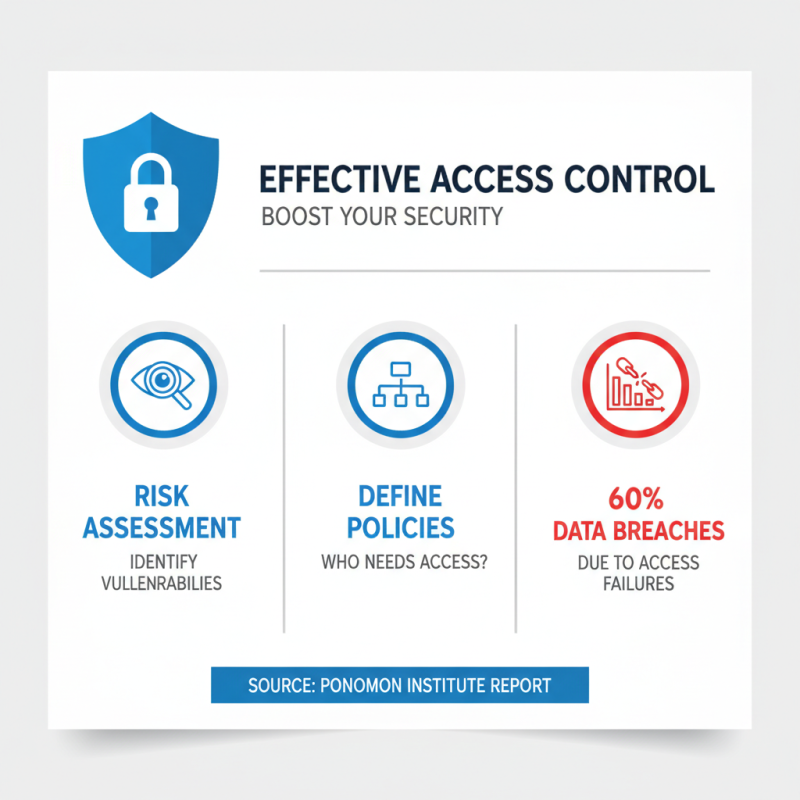
Effective access control is crucial for any organization aiming to enhance its security posture. Best practices for implementing access control policies begin with a thorough risk assessment, which should account for the specific vulnerabilities and threats that an organization faces. According to a report by the Ponemon Institute, 60% of data breaches involve access control failures. Establishing a clear understanding of what information is sensitive and who needs access to it allows organizations to tailor their access control policies effectively.
Another critical practice involves regularly reviewing and updating access permissions. The Verizon Data Breach Investigations Report emphasizes that the majority of breaches exploit previously known vulnerabilities, often exacerbated by stale access permissions. Organizations should adopt the principle of least privilege (PoLP), granting users the minimum level of access necessary for their roles. This not only minimizes potential exposure but also simplifies the management of user roles. Regular audits and monitoring of user activity can further strengthen access control, ensuring compliance with policies and identifying any anomalies that could indicate a security threat.
Monitoring and Evaluating Access Control Effectiveness
Monitoring and evaluating access control effectiveness are crucial steps in ensuring your organization's security posture remains robust against evolving threats. Effective monitoring begins with establishing a baseline for normal access patterns. By identifying typical access behaviors, organizations can flag unusual activities that may indicate security breaches or policy violations. This can involve the use of automated tools that provide real-time alerts and analytics, enabling security teams to respond swiftly to potential threats.
In addition to monitoring, ongoing evaluation of access control measures is essential. Organizations should regularly assess the effectiveness of their access control policies through audits and penetration testing. These evaluations should analyze the alignment of access rights with employee roles, ensuring that individuals only have access to the information necessary for their jobs. Feedback from users can also be instrumental in identifying access-related grievances, which can reveal friction points that may compromise compliance and security. By fostering a culture of continual assessment and open communication, organizations can enhance their access control strategies and better protect their sensitive data.
How to Implement Effective Access Control for Your Organization's Security - Monitoring and Evaluating Access Control Effectiveness
| Access Control Method |
Effectiveness Rating (1-10) |
Frequency of Monitoring |
Last Evaluation Date |
Notes |
| Role-Based Access Control (RBAC) |
8 |
Monthly |
2023-09-15 |
Updated user roles based on departmental changes. |
| Mandatory Access Control (MAC) |
7 |
Quarterly |
2023-08-01 |
Ensured compliance with data classification standards. |
| Discretionary Access Control (DAC) |
6 |
Bi-Annual |
2023-07-10 |
Reviewed user privileges for sensitive documents. |
| Attribute-Based Access Control (ABAC) |
9 |
Weekly |
2023-10-01 |
Evaluated based on user attributes and environment conditions. |