What Is a Customized Menstrual Cup and How Does It Work?
A Customized Menstrual Cup is designed or selected around a person’s anatomy, flow, and comfort preferences. Customization may involve cup length, diameter, firmness, capacity, or stem shape. In practice, many products offer size options rather than fully individualized manufacturing. That distinction matters. A cup that looks suitable on a product page may still feel uncomfortable during movement or insertion.
The evidence base is growing, but it has limits. A 2019 systematic review in The Lancet Public Health assessed 43 studies involving 3,319 participants. It found that menstrual cups were a safe option for menstruation, while noting that more high-quality research was needed. Lead author Penelope Phillips-Howard and colleagues described cups as “a safe option for menstruation.” This evidence concerns menstrual cups generally, not every customized design. Fit still involves some trial and error. That deserves more honest discussion.
This guide explains how customization can affect comfort, leakage, and daily use. It also separates measurable features—such as capacity and dimensions—from claims that may lack independent testing. A cup should form a comfortable seal, remain manageable to remove, and suit the user’s routine. Not magic. The best fit is personal, and persistent pain or irritation is a reason to stop using the product and seek qualified health advice.
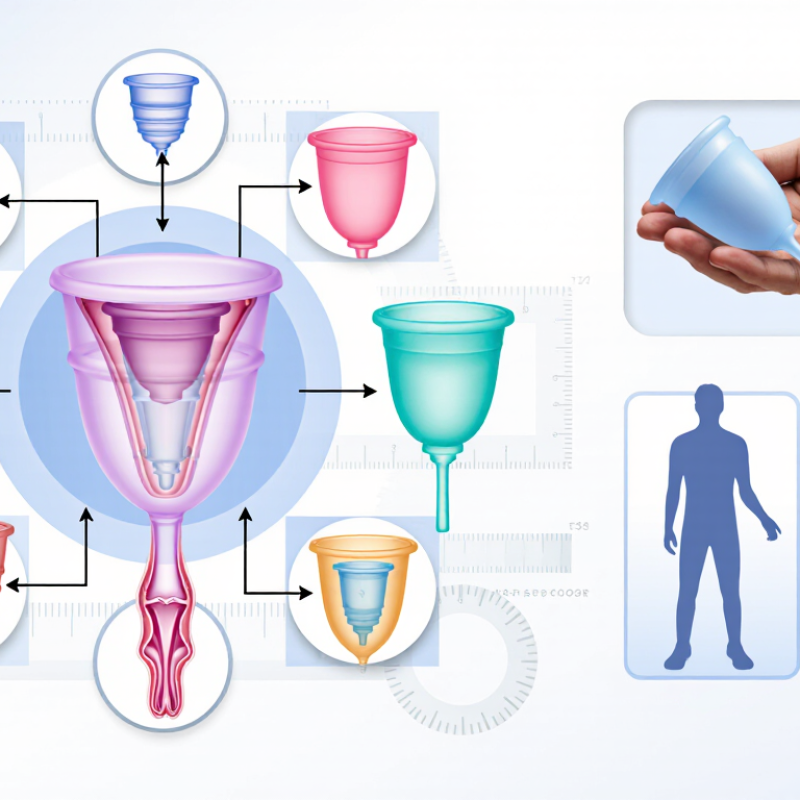
Defining a Customized Menstrual Cup
A customized menstrual cup is a reusable cup whose fit or features are selected around an individual’s anatomy and menstrual needs. “Customized” has no single clinical definition. It may mean choosing among different cup lengths, rim widths, firmness levels, or stem shapes; it does not always mean a cup molded uniquely for one person. A shorter cup may feel easier to reach, while a softer rim may feel more comfortable for some users.
Bodies vary. So do preferences.
Fit can depend on factors such as cervical height, pelvic floor comfort, flow, and whether the cup opens easily. These details guide selection, but they cannot guarantee a perfect fit. A 2019 systematic review in The Lancet Public Health examined 43 studies involving 3,319 participants. In four studies with 293 participants, reported leakage was similar to or lower than with other menstrual products.
These results describe menstrual cups broadly, not custom-fit models specifically. That distinction matters. Evidence on individualized cup design remains limited, and a cup may still need adjustment after real-world use. Persistent pain or difficulty should prompt advice from a qualified health professional.
How Personalization Shapes Its Design
A customized menstrual cup adapts its shape to the person wearing it, rather than relying on one standard design. Personalization may involve cup length, width, capacity, firmness, rim shape, or stem style. These details can affect how the cup opens, seals, and feels during movement. Fit matters. A shorter cup may suit a lower cervix, while a softer cup may feel more comfortable for some users. These are starting points, not rules; anatomy and comfort vary.
The cup collects menstrual fluid after it is folded and inserted, then opens to form a seal. A 2019 systematic review in The Lancet Public Health assessed 43 studies involving 3,319 participants. It found that reported leakage was comparable to, or sometimes lower than, other menstrual products, though study quality varied. Small details count. The review did not test every customized shape or prove that personalization improves outcomes. That gap matters. Product dimensions and firmness labels can also differ between manufacturers, so measurements alone cannot guarantee a comfortable fit. A cup that causes persistent pain or difficulty inserting or removing deserves a pause and, if needed, advice from a qualified health professional.
Materials, Fit, and Sizing Factors
A customized menstrual cup is adjusted to suit a person’s preferences and fit, rather than relying on one standard shape. Custom options may include cup length, diameter, firmness, capacity, or stem style. Materials commonly include medical-grade silicone or thermoplastic elastomer. Check product information for material details, and avoid a cup if you know you react to one of its components. “Medical-grade” does not guarantee that every material suits every person.
Fit depends on more than age or whether someone has given birth. Cervical height can vary during a cycle, and pelvic floor comfort, flow, and sensitivity also matter. A cup that is too long may press or sit awkwardly; one that is too wide may feel uncomfortable. Capacity matters too, but a larger cup is not automatically a better fit. Sizing charts can help narrow choices, yet they cannot predict every body. That limitation can be frustrating. If insertion or removal repeatedly hurts, stop and ask a qualified healthcare professional for advice.
Tips: Check cervical height on more than one day, since it can change. Compare cup dimensions, not just size labels. A short stem may feel better, but it still needs to be reachable. Follow the maker’s cleaning instructions, inspect the cup for damage, and replace it when its guidance recommends. Getting the fit right may take a little trial and reflection.
How the Cup Collects Menstrual Flow
What Is a Customized Menstrual Cup and How Does It Work?
How the Cup Collects Menstrual Flow
A customized menstrual cup may be adjusted in length, width, or firmness to suit an individual’s body. Once inserted, its flexible rim opens below the cervix, where menstrual flow exits. The cup catches the fluid in its bowl rather than absorbing it. It does not absorb. A gentle seal around the cup’s rim can help limit leaks, but the seal should not feel painful.
As flow continues, fluid gathers inside the cup. Capacity and fit vary, so a cup that works comfortably for one person may not suit another. A full cup or a rim that has not opened fully can lead to leakage. Customized does not mean flawless. If you feel persistent pain, or cannot remove the cup easily, stop and seek advice from a qualified healthcare professional.
Tips: Wash your hands before insertion or removal. Fold the cup, guide it into place, then check that it has opened. Empty it according to your flow and the cup’s instructions; heavier days may require more frequent emptying. Clean it as directed. If something feels off, reassess the fit rather than forcing it.
What Is a Customized Menstrual Cup and How Does It Work?
A menstrual cup collects menstrual flow in its reservoir rather than absorbing it. The chart shows commonly cited amounts of menstrual blood loss per cycle—not cup capacity.
Typical menstrual blood loss is often described as about 5–80 mL per cycle, with an average around 30–40 mL. Actual flow varies. A cup’s capacity depends on its design; follow its instructions for emptying and cleaning.
Using and Caring for a Customized Cup
A customized menstrual cup is selected or shaped to suit an individual’s anatomy, comfort, and flow. Before using it, read its instructions and wash your hands. Fold the cup gently, insert it at a comfortable angle, then check that it has opened. A slight tug can help you feel whether it has formed a seal. It may take a few cycles to find a routine. That learning curve is normal.
Tips: Trimmed nails can make insertion easier. Relax your pelvic muscles. If the cup pinches or causes pain, remove it and try again later; discomfort should not be ignored.
Empty and rinse the cup as directed, then wash it with mild, unscented soap and clean water. Follow the care instructions for sanitizing between cycles; some cups can be boiled, but methods vary. Let it dry fully before storing it in a breathable pouch, not an airtight container. Check regularly for tears, sticky patches, or changes in texture. Replace it if damaged. If removal feels difficult, break the seal by pinching the base rather than pulling the stem alone. Persistent pain, irritation, or unusual symptoms are reasons to stop using it and seek advice from a qualified health professional.