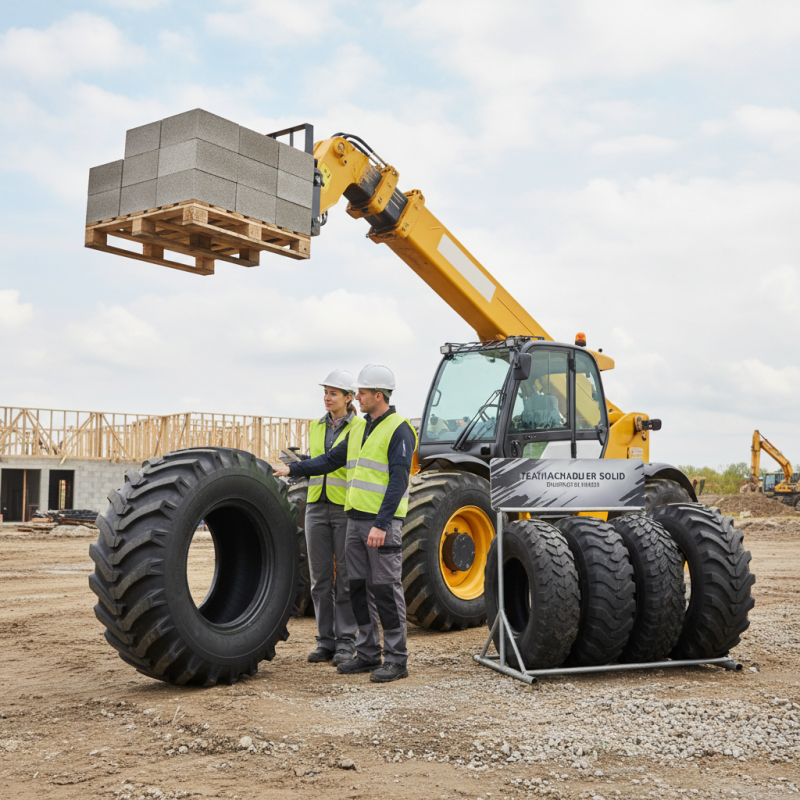
How to Choose the Best Telehandler Solid Tires for Your Needs?
Choosing the right Telehandler Solid Tires can significantly impact your equipment's performance. These tires play a crucial role in ensuring stability and traction, especially on uneven surfaces. Selecting the best options requires careful consideration of various factors.
It is essential to assess your specific needs. The load capacity, tire size, and tread pattern are all vital aspects. Some operators may overlook tire maintenance, which can lead to reduced efficiency. Understanding the operating environment is equally critical. For instance, harsh terrains demand robust tires.
Consulting with tire specialists can guide your selection process. They can provide insights into the latest innovations in Telehandler Solid Tires. Always weigh expert recommendations against your own requirements. A well-informed choice will not only enhance safety but also improve productivity in the long run.
Understanding Telehandler Solid Tires: Types and Benefits
Understanding telehandler solid tires is crucial for maximizing efficiency on construction sites. These tires are specifically designed for heavy loads and uneven terrains. There are two main types: foam-filled and solid rubber. Foam-filled tires provide better cushioning, but they can be heavier. Solid rubber tires offer durability and resistance to punctures, making them ideal for rough conditions.
Choosing the right type depends on your specific needs. For example, if your telehandler often operates in rocky environments, solid rubber tires may be the best option. However, keep in mind that they might reduce ride comfort. It's essential to balance comfort with functionality. Additionally, consider the weight capacity and the stability of the tires. Test different options if possible, as the feel can vary between types.
Understanding these aspects can significantly impact productivity and safety. The wrong tire choice can lead to increased maintenance costs or even accidents. It's worth evaluating your work environment before making a purchase. Don't rush into a decision. Take the time to weigh the pros and cons of each tire type to find the best fit for your telehandler.
Key Factors to Consider When Selecting Solid Tires for Telehandlers
Choosing the right solid tires for your telehandler is crucial. The selection process involves understanding various key factors. First, consider the load capacity. Tires should withstand the weight your telehandler will lift. A mismatch can lead to accidents or equipment failure. Additionally, look at the tire's tread design. Patterns influence traction and stability on different surfaces.
Another critical aspect is the environment where the telehandler operates. Hard surfaces require more durability and resistance to wear. Opt for tires that can handle outdoor elements, like mud or gravel. Noise levels during operation should also not be overlooked. Some tires are designed to minimize noise, improving working conditions.
Finally, budget plays a significant role. While high-quality solid tires may cost more upfront, they often provide better longevity and performance. Cutting corners can lead to unexpected expenses down the road. Reflect on your needs carefully. Choosing the wrong tire can require re-evaluation and replacement sooner than expected. Aim for a balance of quality and cost-effectiveness, ensuring long-term reliability for your telehandler.
Industry Standards: Load Capacity and Durability Ratings of Solid Tires
Choosing the right solid tires for telehandlers involves understanding industry standards. Load capacity and durability ratings are crucial factors. The load capacity indicates how much weight the tires can safely support. Tires with high load capacity are vital for heavy-duty applications. This ensures efficiency and safety on the job site.
Durability ratings reflect how well tires can withstand harsh conditions. High-quality solid tires resist punctures and abrasions. Look for tires that can endure rough terrains and heavy impacts. This choice can save costs in the long run, as durable tires typically require less frequent replacement.
Tip: Always check the manufacturer’s specifications for load capacity. It's essential to match them with the telehandler's requirements. Consult with industry experts to ensure you make an informed choice. Also, consider the tire tread pattern; it affects grip and stability. Choosing the right tread can enhance performance in various environments. Recognizing your specific needs and conditions is key.
How to Choose the Best Telehandler Solid Tires for Your Needs? - Industry Standards: Load Capacity and Durability Ratings of Solid Tires
| Tire Model | Load Capacity (lbs) | Durability Rating | Tread Type | Ideal Terrain |
| Model A | 6,000 | High | Aggressive | Rough Terrain |
| Model B | 5,000 | Medium | Lug | Mixed Use |
| Model C | 7,000 | Very High | Smooth | Paved Surfaces |
| Model D | 8,500 | High | All-Terrain | Variable Terrain |
| Model E | 4,500 | Low | Flat | Indoor Use |
Assessing Terrain and Usage: How it Impacts Tire Selection
Selecting the right telehandler tires hinges significantly on the terrain and usage environment. The different surfaces you encounter can affect not only mobility but also safety and productivity. For instance, uneven ground may require stiffer tires to maintain stability, while soft soils might call for more flexible options. Each terrain poses unique challenges, and understanding these can drive effective tire selection.
Usage frequency is equally critical. A telehandler deployed for heavy lifting in a construction zone faces different stresses than one used in a warehouse. Load weights and frequency of use impact tire longevity. Over time, tires can show signs of wear that may necessitate a re-evaluation of your choice. Sometimes, even solid tires may struggle under rigorous demands, indicating a need for change. A quick inspection of tread wear can provide insights into whether the current choice meets expectations. In some cases, you may find that a more robust option is indeed warranted.
Consider also the cost implications of different tire options. While opting for the cheapest may save money initially, it could lead to higher maintenance costs over time. Reflecting on tire performance can prevent downtime and costly repairs, ensuring your operations remain smooth. Evaluating both terrain and intended use will help in making a more informed decision.
Telehandler Solid Tires Performance Based on Terrain Type
Cost Analysis: Budgeting for Quality Telehandler Solid Tires and Maintenance
When selecting telehandler solid tires, understanding the cost is vital. Quality tires often have higher upfront costs. Industry data suggests that premium tires can range from $1,500 to $3,000 each, significantly impacting budgets. However, investing in durable tires can reduce long-term maintenance costs. Poor-quality tires can lead to more frequent replacements and repairs, increasing overall expenses.
Maintenance is another critical aspect. Routine inspections and prompt repairs can mitigate further damage. A report from the Tire Industry Association highlights that regular maintenance can save up to 30% on operating costs. Many companies overlook these details, assuming that all tires are created equal. This mindset can lead to unforeseen expenses.
Understanding your specific applications will guide tire selection. Different terrains and load capacities require tailored solutions. Balancing initial costs with maintenance needs is essential for making informed choices. Many operators fail to factor in the long-term implications of their selections, which can lead to inefficient operations and increased expenses.