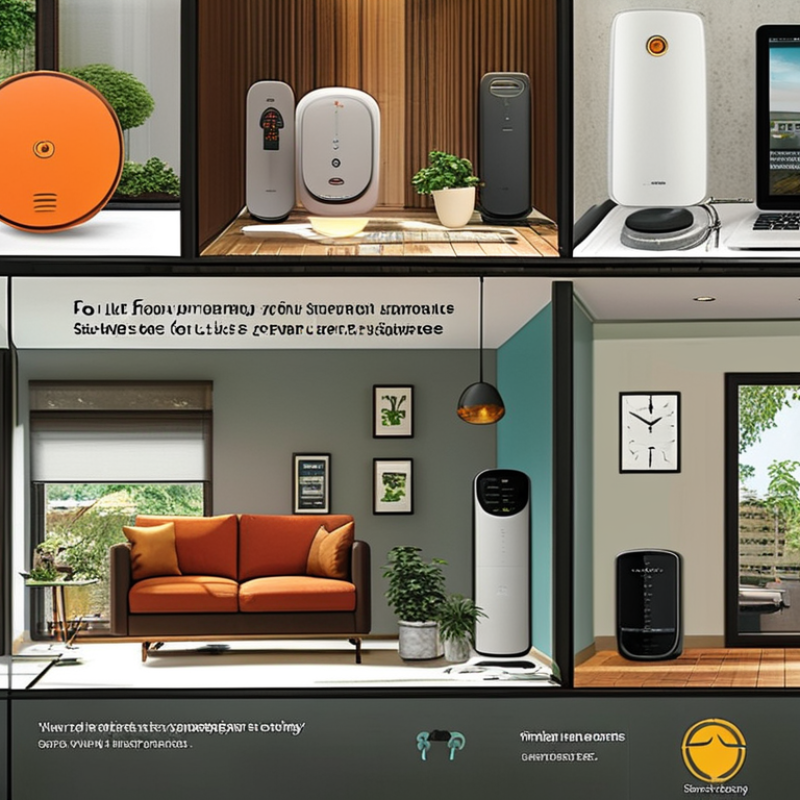
How to Choose the Best Smart House System for Your Home?
Choosing the right Smart House System can transform your living experience. With the rise of home automation, many options are available. Selecting the best system demands careful consideration of your specific needs.
Different systems offer various features. Some prioritize security, while others focus on energy efficiency or convenience. You must evaluate what matters most to you and your lifestyle. A smart thermostat can save money, yet a robust security system provides peace of mind. Finding balance is often challenging.
Homeowners face potential pitfalls in this selection process. Misguided choices can lead to frustration and waste. Each system requires careful research and understanding. By weighing the pros and cons, you can make an informed decision that suits your home perfectly.
Understanding Smart House Systems and Their Benefits
Smart house systems offer a range of benefits that enhance daily living. According to a report by the Consumer Technology Association, about 70% of homeowners believe smart home technology improves their quality of life. The convenience of remote control over devices promotes greater comfort. Imagine adjusting your thermostat from your phone while relaxing on the couch. This level of control can also lead to energy savings, with homeowners reporting up to a 30% reduction in utility bills.
Security is another crucial benefit. Data from Statista indicates that smart security systems have increased user safety by 50%. With features like real-time monitoring and alerts, homeowners can feel more secure. However, integrating various devices can sometimes lead to compatibility issues, causing frustration. Not every system communicates seamlessly, which can diminish the overall user experience. Engaging with trusted professionals can clarify these compatibility concerns.
Moreover, automation simplifies everyday tasks. Smart systems can manage lighting, climate, and entertainment effortlessly. However, a study by MarketsandMarkets shows that around 20% of users feel overwhelmed by the technology. This indicates that user-friendly interfaces and education are essential. Buyers should approach their choices mindfully to avoid potential pitfalls and ensure the system truly meets their individual needs.
How to Choose the Best Smart House System for Your Home? - Understanding Smart House Systems and Their Benefits
| Feature | Description | Benefits | Cost Range |
| Home Automation | Control lights, thermostat, and appliances remotely. | Increased convenience and energy savings. | $200 - $1,500 |
| Security Systems | Surveillance cameras, alarms, and door sensors. | Enhanced safety and peace of mind. | $300 - $2,000 |
| Smart Speakers | Voice-activated speakers for controlling devices. | Hands-free control and enhanced entertainment. | $50 - $400 |
| Climate Control | Smart thermostats for heating and cooling. | Improved comfort and energy efficiency. | $100 - $800 |
| Smart Lighting | Control lighting through apps or voice commands. | Energy savings and customizable ambience. | $100 - $600 |
Key Features to Look for in a Smart Home System
When selecting a smart home system, several key features can greatly enhance your living experience. One crucial aspect is compatibility with existing devices. According to a report by Statista, about 42% of consumers prioritized integration with current gadgets. This allows seamless control, reducing friction in daily routines. Look for systems that support multiple protocols like Zigbee or Z-Wave to ensure broader device compatibility.
Another significant feature is security. A 2022 survey by J.D. Power revealed that 62% of homeowners feel safer with smart security systems. Features like remote monitoring, automated alerts, and real-time video feeds can provide peace of mind. Consider systems that offer end-to-end encryption and two-factor authentication to bolster data privacy.
Energy management capabilities are also worth considering. The U.S. Department of Energy notes that smart home technology can lead to energy savings of up to 15%. Smart thermostats and lighting systems can optimize energy usage, providing both convenience and cost savings. However, keep in mind that not all systems guarantee these benefits. Users should evaluate their specific needs to choose wisely.
Evaluating Compatibility with Existing Home Devices
When choosing a smart house system, compatibility with existing devices is crucial. According to a study by leading industry analysts, nearly 45% of homeowners experienced compatibility issues when integrating new smart devices. Ensuring that your smart system can seamlessly connect with current devices reduces frustration and maximizes efficiency.
Start by cataloging your home devices. Assess whether they operate on Wi-Fi, Bluetooth, or Zigbee protocols. A 2022 report highlighted that 60% of smart home owners prefer systems supporting multiple communication protocols. This flexibility allows for greater compatibility, leading to a smoother user experience. It’s essential to research the devices you want to integrate to identify potential conflicts. Device age plays a role; older devices may not support newer standards.
Consider future-proofing your system. Technology is rapidly evolving. A once-compatible device may soon become obsolete. About 30% of users report dissatisfaction due to advancements leaving their systems behind. Testing systems in-store can help gauge functionality. Always prioritize systems that offer regular updates and support for a variety of devices to ensure long-term compatibility and satisfaction.
Assessing Security and Privacy Features of Smart Systems
Choosing a smart home system involves understanding the importance of security and privacy features.
Modern smart systems connect various devices, making life easier. However, they also create potential vulnerabilities. Ensuring that your system has robust security measures is essential. Look for features such as end-to-end encryption and regular firmware updates. These can help protect your personal data from potential breaches.
Privacy is another vital aspect to consider. Many smart systems collect user data for functionality and improvements. Review privacy policies carefully. Ensure they limit data collection and disclose how your information is used. Transparency in this area is crucial. Devices should allow you to control what data is shared. It's not uncommon for users to overlook these aspects in favor of convenience.
Take time to research options and seek expert advice when needed. Your home’s security could depend on these decisions.
Budget Considerations for Choosing a Smart House System
When selecting a smart house system, budget considerations are crucial. Recent industry reports indicate that the average cost of a comprehensive smart home system can range from $1,500 to $10,000, depending on the features and devices included. Homeowners must assess their specific needs against these costs. While advanced automation often promises convenience, it may not suit everyone's financial situation.
Understanding what features are essential is key. Some systems offer basic functionalities at lower costs, which might be perfect for first-time users. On the other hand, a sophisticated smart system with security, energy management, and entertainment features can be appealing but pricey. According to a survey by the Consumer Technology Association, 62% of consumers prioritize security features. Focusing on areas that enhance safety may yield better long-term value.
Tips: Evaluate different systems before deciding. Look for scalable options that fit your current and future needs. Consider installation costs as well; some systems require professional support. Ensure to read reviews carefully. Oftentimes, experiences can highlight potential issues or savings that promotional materials won't mention. Balancing desires against realities can lead to a more satisfying investment in smart technology.
Budget Considerations for Choosing a Smart House System