How to Choose the Best Smart Ai Glasses for Your Needs?
As technology evolves, Smart Ai Glasses are gaining traction in both consumer and professional settings. According to recent market research by Grand View Research, the global smart glasses market is projected to reach $19.7 billion by 2025. This growth highlights a rising interest in devices that enhance everyday experiences with augmented reality and connectivity.
Choosing the right pair involves understanding your specific needs. The diverse landscape of Smart Ai Glasses can be overwhelming. Features vary widely, from basic notifications to advanced augmented reality displays. A report by Statista indicates that 40% of users seek functionalities tailored to health and fitness. However, many options may lack the essential features users desire. Some glasses offer incredible specs but fall short in comfort or battery life.
As you explore your choices, assess what matters most to you. Prioritize reliability and usability over brand hype. Reflect on personal experiences and reviews; they reveal insights that numbers alone cannot convey. Balancing style with practicality can lead to a more satisfying choice. The right Smart Ai Glasses should align with your lifestyle and enhance your daily interactions with technology.
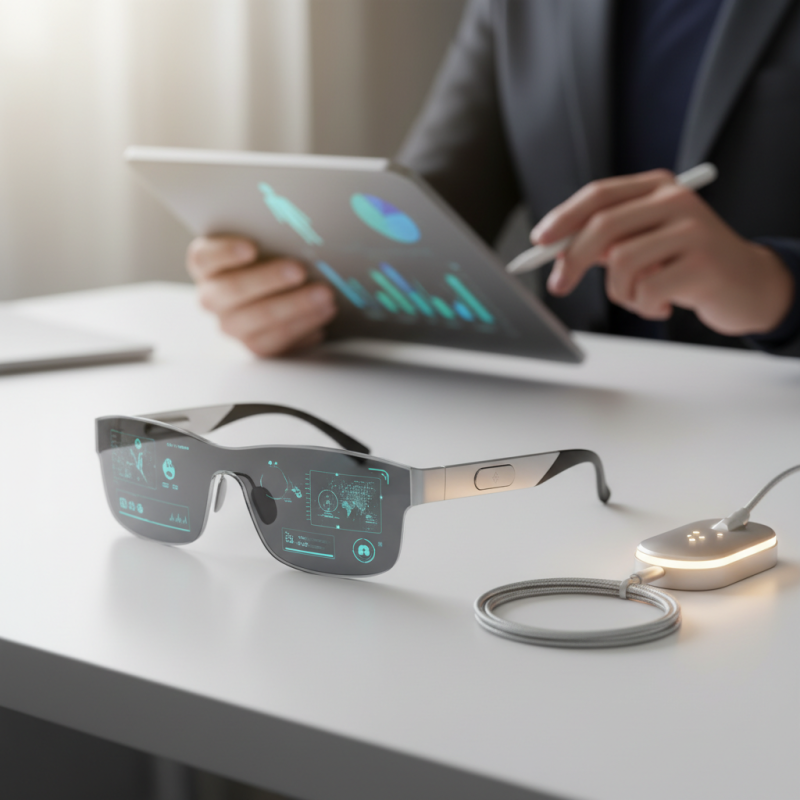
Understanding the Different Types of Smart Ai Glasses Available Today
Smart AI glasses have gained significant attention recently. They come in various types, each tailored for distinct needs. Understanding these differences can help you select the right pair for you.
There are primarily three categories of smart AI glasses: augmented reality (AR) glasses, smart display glasses, and fitness-oriented models. AR glasses overlay digital information onto the real world. You might see maps, notifications, or even social media updates. Smart display glasses focus on delivering information like texts and calls but do not include AR features. They often have a sleek design that appeals to professionals. Fitness glasses, on the other hand, track your activities. They can monitor heart rate, pace, and even provide coaching feedback.
While exploring these options, consider what features you truly need. Do you require a hands-free experience? Or do you want a device focused on fitness tracking? This decision might require reflection. Not every model suits every lifestyle. Some have limited battery life or compatibility issues. Evaluating how often you will use these glasses is vital for long-term satisfaction. Buying based on trends may lead to regret. Ultimately, creating a list of your priorities will guide you in making an informed choice.
Key Features to Consider When Selecting Smart Ai Glasses
When selecting smart AI glasses, several key features should be prioritized. One critical aspect is display technology. Data suggests that over 70% of users prioritize resolution and clarity. A high-resolution display impacts usability significantly, especially for augmented reality applications.
Battery life is another essential feature. A survey indicated that 65% of consumers are frustrated by short battery performance. Glasses that last all day without frequent recharging enhance user satisfaction. Keep in mind, however, that more powerful features often drain batteries faster.
**Tip:** Always check user reviews for real-world battery performance. Many may report discrepancies from manufacturer claims.
Another point to consider is compatibility with mobile devices. Research indicates that 85% of users seek seamless integration with smartphones and tablets. Ensure that the glasses you choose work with your existing technology. This connection is vital for features such as notifications and application use.
**Tip:** Look for devices with extensive support for third-party apps. Flexibility can enhance your user experience significantly.
While many advanced features sound appealing, they often come at a higher price. Reflect on your actual needs versus wants. Not every feature will add value to your everyday activities.
Smart AI Glasses Features Comparison
Evaluating Comfort and Fit for Extended Use of Smart Ai Glasses
Choosing the right smart AI glasses involves more than just features. Comfort and fit are crucial for extended use. Glasses that pinch or slide off can lead to distractions. You should aim for a snug fit without pressure points. Pay attention to the weight and the materials. Lightweight frames can enhance portability and user experience.
When trying on smart glasses, consider your typical activities. If you're sitting at a desk or moving around, your needs will differ. Testing the glasses for an extended time is advisable. Notice if they cause discomfort after a while. Some users report irritation around the nose and ears. It’s essential to assess this factor thoroughly.
Adjustable features can be a game changer. They allow customization for a personalized fit. Padding on the nose bridge can improve comfort significantly. Don’t hesitate to explore various styles and designs. Aesthetic appeal matters, but comfort should come first. Balancing these factors leads to a better overall experience with smart AI glasses.
Assessing Battery Life and Performance in Smart Ai Glasses
When considering smart AI glasses, battery life and performance are crucial. Reports indicate that many models average between 2 to 3 hours of active use. This is often insufficient for full-day activities. If you plan on prolonged usage, look for options with battery enhancement features.
In terms of performance, the processing power varies significantly. Some models utilize efficient processors, resulting in faster response times. Studies show that devices with advanced chipsets can handle more complex tasks, such as augmented reality applications. However, this can lead to increased energy consumption, creating a trade-off between performance and battery lifespan.
Monitoring usage habits is necessary. Users may find that turning off unnecessary features can extend battery life. Real-world experiences show that average users often underestimate their need for power management. Testing various settings can help strike a balance suited to your needs. Real-life feedback highlights that users frequently overlook these adjustments, leading to unsatisfactory experiences with smart glasses.
Exploring Compatibility and Ecosystem Integration for Smart Ai Glasses
When choosing smart AI glasses, compatibility is crucial. Your devices should work seamlessly. Look for glasses that sync effortlessly with your smartphone, tablet, or computer. This ensures notifications and apps function without issues. Many glasses offer companion apps for easier control and customization. A stable ecosystem enhances your experience significantly.
Ecosystem integration goes beyond just compatibility. Consider how the glasses fit into your daily life. Do you use smart home devices? Check for compatibility with those systems. Smart AI glasses should actuate and control various devices, making tasks more convenient. User reviews can provide insights into how well these integrations perform.
Yet, not all features may work as promised. Users might discover limitations in functionality, prompting adjustments. For example, battery life can vary greatly. A seemingly perfect match might fall short in real-world scenarios. Therefore, it’s essential to weigh potential drawbacks against advertised benefits during your selection process.