China Top 10 Access Control System Manufacturers?
Choosing among China’s top 10 Access Control System manufacturers requires more than comparing product brochures. A dependable supplier should combine proven hardware, secure software, responsive support, and practical installation experience. This guide examines manufacturers through those real-world factors, not marketing claims alone. It considers biometric terminals, smart cards, mobile credentials, turnstiles, controllers, and cloud management platforms.
A strong Access Control System should perform steadily at a busy office entrance, a warehouse gate, or a residential lobby. Fast recognition matters, but so do accurate logs, simple administration, backup functions, and clear user permissions. Integration with video surveillance, time attendance, elevators, and visitor management can also reduce daily workload. Certification, firmware updates, encryption practices, warranty terms, and regional service coverage deserve close attention.
Details matter.
The manufacturers discussed in this overview have different strengths, prices, and market positions. Some focus on large security projects, while others serve schools, factories, hotels, and small businesses. Public specifications can help, yet they rarely reveal installation quality or after-sales responsiveness. That is an important limitation. A supplier may offer advanced features but provide a less suitable experience for a specific site.
For a fair comparison, readers should confirm current certifications, software compatibility, maintenance costs, and local technical support before purchasing. Independent testing and references from similar installations can add valuable evidence. This ranking is therefore a practical starting point, not a permanent verdict. Technology changes quickly, and even reputable manufacturers need careful evaluation.
What Is an Access Control System?
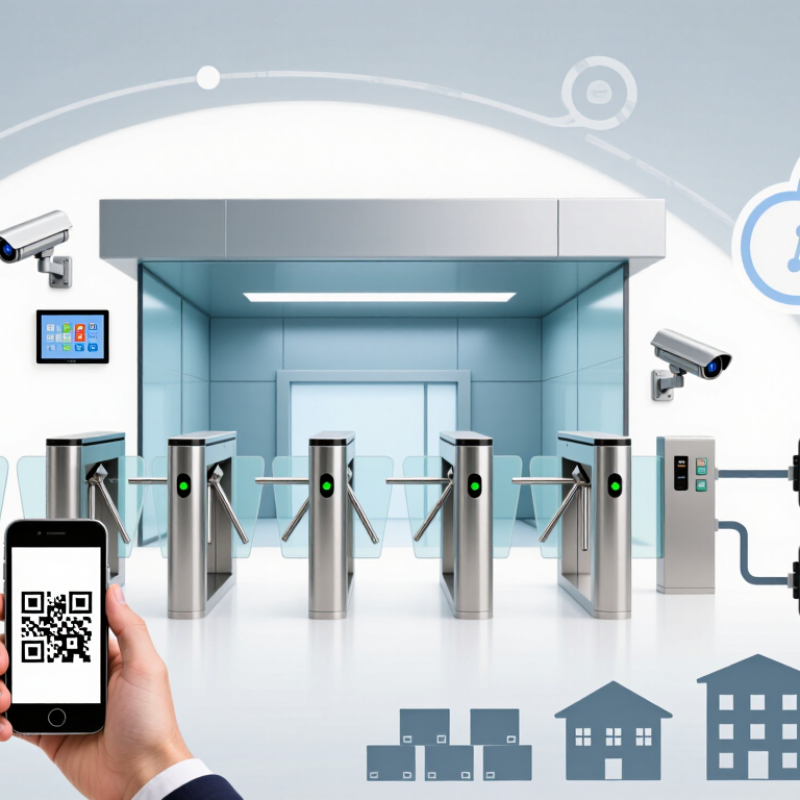
An access control system manages who may enter a building, which areas they can use, and when access is allowed. It usually combines credentials, readers, controllers, electronic locks, and management software. A credential may be a card, PIN, mobile code, or biometric identifier. The reader captures it, while the controller checks permission against stored rules. If approved, the lock releases and records the event.
A practical system also supports schedules, visitor access, emergency exits, and detailed entry logs. For example, an employee may enter the office from 8 a.m. to 6 p.m., but not the server room. Reliable installation requires accurate door measurements, stable network connections, backup power, and regular testing. Fire safety must remain independent and accessible. A secure system should collect only necessary personal data and protect it with controlled administrative access. No system is perfect. Poorly managed credentials can still create serious weaknesses.
Tips:
Review access permissions every month. Remove unused credentials quickly. Test emergency release devices with trained staff. Keep controllers and readers away from moisture and physical impact. Ask installers to document wiring, door settings, and maintenance steps. Clear records make future repairs easier.
How China’s Access Control Industry Is Organized
China Top 10 Access Control System Manufacturers?
China’s access control industry is not a single ladder. It is a layered network of manufacturers, software developers, system integrators, distributors, and project contractors. Hardware producers commonly make controllers, readers, electric locks, turnstiles, and biometric terminals. Some own their designs, while others assemble systems through OEM partnerships.
The market is also organized by application. Large suppliers often target airports, factories, offices, schools, and residential compounds. Smaller specialists may focus on one product, such as vehicle barriers or smart intercoms. Regional manufacturing clusters support this structure by connecting metalworking, electronics, molds, testing, and logistics. This shortens production cycles. It can also create uneven quality.
A reliable evaluation needs more than a factory visit or a polished website. Buyers should check product certifications, software update policies, warranty terms, spare-part availability, and local technical support. Ask for test reports and installation references. A controller may perform well in a showroom but fail under unstable networks or heavy traffic. That detail matters.
The supply chain often includes an integrator between the manufacturer and end user. This partner designs wiring, configures permissions, trains operators, and handles maintenance. Therefore, the “top ten” ranking depends on the buyer’s project, not only factory scale. A strong exporter may lack service coverage in a distant region. That weakness is easy to overlook. Procurement teams should compare the complete delivery system, including documentation, response time, data protection practices, and long-term compatibility.
China’s Top 10 Access Control System Manufacturers
China’s Top 10 Access Control System Manufacturers should be judged by measurable performance, not export volume alone.
MarketsandMarkets estimates that the global access control market may grow from about USD 9.2 billion in 2023 to USD 12.8 billion by 2028. This growth reflects demand for cloud management, mobile credentials, and integrated video security.
A practical top-ten review should examine reader response time, controller stability, software updates, and technical support.
Grand View Research reported that the global access control market was valued at approximately USD 10.3 billion in 2023, with continued growth expected through 2030.
For Chinese manufacturers, production scale matters, but field reliability matters more.
A factory may pass a laboratory test, yet a card reader can fail beside a dusty warehouse gate. Real-world testing is essential.
Buyers should compare encryption practices, API documentation, warranty terms, and installation training. They should also request evidence from hospitals, offices, and industrial sites.
This is not a perfect ranking. Product quality can vary between project batches, regions, and firmware versions.
Some suppliers communicate well before delivery but respond slowly after installation. That weakness deserves attention.
A stronger assessment combines independent testing, customer references, documented certifications, and transparent service records rather than relying on promotional claims.
How to Compare Access Control Manufacturers in China
Choosing among China’s top access control system manufacturers requires more than comparing prices.
A reliable review begins with product evidence. Ask for current test reports, certifications, factory quality procedures, and clear warranty terms. Check whether the manufacturer controls key production stages or mainly resells finished devices. A factory visit can reveal useful details, such as inspection records, aging-test areas, and spare-part storage. A polished showroom can mislead.
Compare the system itself under realistic conditions. Test card readers, biometric terminals, controllers, software, and mobile access together.
Ask how the system handles network loss, power interruptions, user changes, and data backups. Confirm API documentation before approving integration with attendance, video, or building-management platforms. Review firmware update methods and cybersecurity responsibilities.
Small details matter here. Request a sample unit and test it with your doors, cables, and operating environment.
Commercial terms also deserve careful attention. Compare minimum order quantities, lead times, training, remote support, replacement procedures, and local installation guidance. Ask for a written response-time commitment, not only a friendly promise. Examine export experience through references and shipping documents.
Price often hides future labor costs. A low-cost controller may require extra configuration or frequent support. No scorecard is perfect. I would give technical support more weight after noticing how quickly a supplier explains a failed test.
Some evaluations remain subjective, and that is worth admitting. A dependable manufacturer answers difficult questions clearly, documents limitations, and improves after feedback.
How to Select the Right Manufacturer for Your Project
China Top 10 Access Control System Manufacturers?
How to Select the Right Manufacturer for Your Project
Choosing among China’s leading access control manufacturers requires more than comparing prices. Define the project first. A four-door office needs different equipment from a hospital, warehouse, or residential tower. Check whether the manufacturer supports card readers, mobile credentials, turnstiles, controllers, and visitor management in one system. Ask for wiring diagrams, sample software, and a live demonstration. Do not trust polished screenshots alone. Test it.
Reliable manufacturers should provide clear certifications, product test reports, warranty terms, and documented quality controls. Review their experience with projects similar to yours. A factory serving outdoor gates should explain waterproof ratings, temperature limits, and surge protection. For systems using biometric information, request details about encryption, data storage, deletion, and user consent. Local regulatory requirements still matter, even when the equipment is imported. Cheap hardware can become expensive after installation.
Communication also reveals capability. Can the technical team answer integration questions about APIs, elevator control, fire alarm interfaces, and backup power? Confirm lead times, spare parts, remote support, and installer training in writing. Request references, but verify them independently where possible. A factory visit may help, although it cannot replace performance testing. I have seen projects delayed by small connector differences and unclear firmware versions. That lesson is easy to overlook. Leave room for pilot testing, because the first proposal is rarely perfect.