Skip To Content

How to Choose the Best Steering Wheel Lock Bar in 2026

A Steering Wheel Lock Bar adds a visible physical barrier, but choosing one involves more than comparing prices or bright colors. In 2026, buyers can find models with different lengths, locking mechanisms, materials, and fitting methods. The right choice depends on your vehicle, how often you use the lock, and where you park.

Start with fit. Measure the steering wheel and check the product’s stated adjustment range before ordering. A bar that is too short may not secure properly; one that is awkward to position can become a chore after a long day. Look closely at the lock cylinder, joints, and contact points. Solid construction matters. So does a design that does not scrape the wheel during ordinary use. Small details count.

Security has limits. No steering lock can guarantee that a vehicle will not be stolen, and claims such as “unbreakable” deserve careful scrutiny. Prefer clear specifications, a straightforward warranty, and instructions that explain installation and care. If possible, compare independent reviews with the manufacturer’s details. Reviews can help, though they may not reflect your exact vehicle.

This guide looks at practical features, fit, ease of use, and value to help you narrow the options. It also considers the compromises between compact storage and a firm, visible fit. There is no perfect bar for every driver. That is worth remembering. A dependable choice should suit your routine, not just look reassuring in a product photo.
How to Choose the Best Steering Wheel Lock Bar in 2026

What a Steering Wheel Lock Bar Is and How It Works

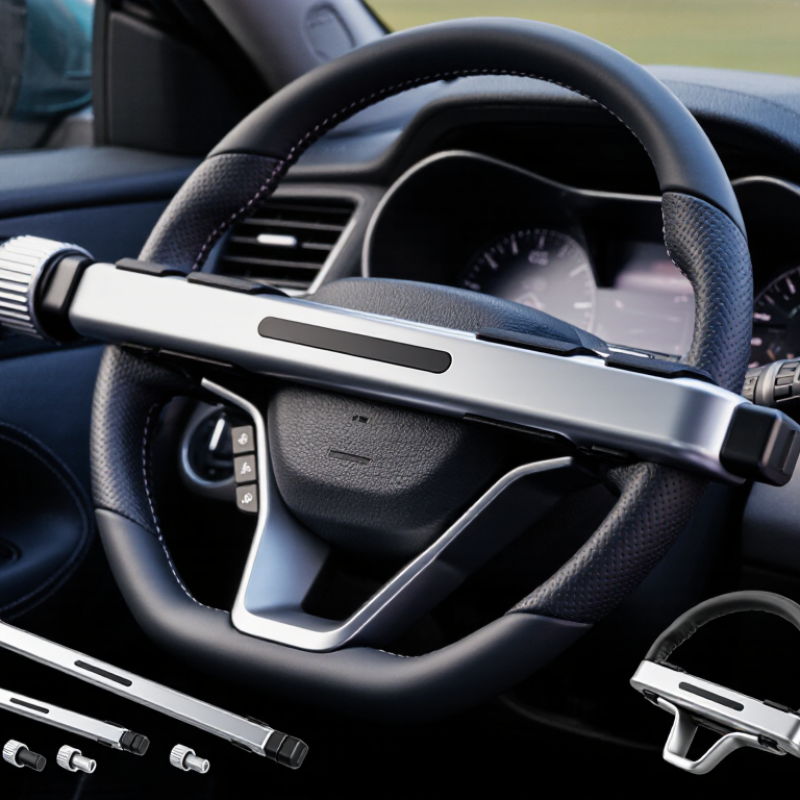
A steering wheel lock bar is a removable metal device that spans part of a vehicle’s steering wheel. Its ends grip the rim, and a locking section fixes the bar at a set length. With the bar in place, the wheel cannot turn through its normal range. This creates a visible obstacle and can make the vehicle harder to maneuver.

It is not foolproof. The device adds a layer of deterrence, not complete protection. Fit varies: a loose bar may shift, while an overly long one can be difficult to secure.

The bar works best when its contact points sit firmly without damaging the wheel’s surface. Check the fit while parked, and follow the instructions for that specific device and vehicle.

A small caveat: convenience matters, too. If locking and removing it feels awkward, daily use may slip.

Keep the key accessible, and never drive with the bar installed; it could interfere with steering or become hazardous in a collision.

Check the fit. A lock bar works alongside ordinary precautions, such as choosing a well-lit parking spot.

How to Assess Your Vehicle’s Size, Layout, and Theft Risk

Start with your vehicle’s cabin, not a lock bar’s product photo. Measure the steering wheel across its widest points, then check how its spokes and center hub affect the bar’s contact points. A deeply recessed hub or thick wheel cover can change the fit. Measure twice. Also check whether the bar clears the dashboard, stalks, and driver’s knees when the seat is adjusted normally. A secure fit should not depend on forcing the wheel or blocking essential controls.

Vehicle size matters, but so does theft exposure. The National Insurance Crime Bureau reported 1,020,729 vehicle thefts in the United States in 2023, about 1 percent more than in 2022. Its annual theft report also shows that theft patterns vary by vehicle type. These national figures provide context, not a forecast for your street. Consider where you park, how long the vehicle sits unattended, and whether local police or insurance data indicate repeated thefts nearby.

Choose a bar that spans your wheel without slipping toward the airbag cover, and test its fit with the wheel turned in several positions. Check that it is easy to see from outside; visibility may add deterrence, though no bar guarantees protection. Not foolproof. Recheck the fit after changing steering-wheel covers or seat settings. A simple tape measure is useful, but imperfect: interior angles can make two vehicles with similar wheel sizes feel very different.

How to Choose the Best Steering Wheel Lock Bar in 2026 - How to Assess Your Vehicle’s Size, Layout, and Theft Risk
Vehicle or Wheel Setup Measurements to Check Layout and Clearance Theft-Risk Indicators Selection Guidance
Compact car Measure the steering wheel’s outside diameter and the thickness of its rim at the intended contact points. Use the actual vehicle, not a class-based estimate. Check that the bar clears the instrument cluster, stalks, and dashboard when fitted and when the wheel is turned. Consider overnight street parking, repeated local theft reports, and whether the vehicle is left unattended for long periods. Choose an adjustable bar whose stated fit range includes the measured wheel. Confirm it can be installed without pressing controls.
Sedan or hatchback with a deep dashboard Record wheel diameter, rim thickness, and the distance from the wheel rim to the nearest dashboard surface. Check the bar’s length and orientation against the dashboard, windshield, and steering-column trim. Allow room to fit and remove it comfortably. Risk may be higher where the car is routinely parked in an isolated or poorly lit place, or where access to the vehicle is easy. Prefer a model that can be positioned without wedging against trim or glass. Follow the vehicle manual’s guidance on steering-column components.
SUV, van, or pickup Measure the specific wheel; vehicle body style alone does not establish wheel size. Also check rim thickness and the distance between suitable attachment points. Inspect the spoke shape, control placement, and clearance to the instrument panel. Confirm the bar does not obstruct the driver’s entry or exit while being fitted. Account for parking location, vehicle use, time left unattended, and locally reported theft patterns rather than assuming all larger vehicles have the same risk. Check the manufacturer’s published compatibility range against measured dimensions. Do not rely on a “universal fit” description alone.
Wheel with prominent spokes or mounted controls Note the spoke positions and the locations of buttons, paddles, and other projections around the rim. Check that the lock contacts the wheel at suitable points without covering buttons, trapping a paddle, or loading a delicate spoke. Use the same location and exposure checks as for other vehicles; wheel layout affects fit, not the vehicle’s theft likelihood by itself. Choose a design that fits the wheel’s spoke layout and can be removed without force. Reject any fit that interferes with controls.
Thick, soft, or aftermarket wheel cover Measure the outside diameter and total grip thickness with the cover installed. Check the lock instructions for permitted contact surfaces. Test whether the bar stays secure without crushing, cutting, or slipping on the cover. Check whether the cover changes the available clearance. A cover does not remove theft risk. Assess the parking environment and exposure separately. If the fit is loose or the cover is damaged during installation, select a compatible alternative or seek guidance from the lock maker.
Tilt- or telescoping-adjustable steering wheel Check fit at the normal driving position and note the wheel’s available tilt and telescoping movement. Make sure the fitted bar does not press the adjustment release, column shroud, or nearby controls. Remove the lock before adjusting the wheel. Include parking duration, site security, and local theft information in the assessment; adjustability alone is not a risk indicator. Choose a bar that fits securely in the normal parked position and can be installed and removed without interfering with column adjustments.
Fit-check method: With the vehicle parked, measure the wheel’s outside diameter and rim thickness at the planned contact points. Compare those measurements with the lock’s published fit range, then test installation and removal while checking clearance around the dashboard, spokes, controls, and steering-column trim. Never force a lock into place or leave it fitted while driving.

Which Lock Bar Types and Security Features to Compare

Choosing the best steering wheel lock bar in 2026 means comparing how it fits, locks, and signals resistance. A cross-wheel bar is quick to install and highly visible through the windshield. A telescoping bar adjusts to different wheel sizes, but its moving joints deserve close inspection. Wheel-to-pedal designs add another anchor point, though they can be awkward in tight footwells. Fit matters.

Compare hardened steel construction, protected lock cylinders, and secure hooks that resist slipping from the rim. Look for clear fit guidance and an independent test rating, not just claims such as “heavy duty.” Check whether the key turns smoothly and whether the bar can be stored without blocking pedals. Small details matter.

In its 2023 Hot Spots report, the National Insurance Crime Bureau recorded 1,020,729 vehicle thefts in the United States, about 1% more than in 2022. Those figures show the scale of the problem, not proof that any lock bar prevents theft.

A visible bar can add a layer of deterrence, but it is not a guarantee. I would weigh daily convenience against sturdiness; a lock left at home offers no protection.

How to Check Fit, Ease of Use, and Build Quality

A steering wheel lock bar should fit the wheel securely without pressing the horn, blocking controls, or rubbing the dashboard. Check its adjustment range against your wheel’s diameter and rim thickness, then test it with the seat and steering column in your usual positions. It should take up slack without forcing the wheel. A perfect fit is not automatic.

Ease of use matters because a device left in the trunk offers no protection. Practice fitting and removing the bar while parked; the motion should feel clear, and the key should turn without repeated jiggling. The National Insurance Crime Bureau reported 850,708 vehicle thefts in 2024, down 17% from 2023. That figure describes theft trends, not proof that any one lock prevents theft.

Inspect the metal tube, end hooks, joints, and lock cylinder. Look for loose movement, rough edges, thin-looking sections, or a finish that chips easily. The bar should resist casual twisting, but no steering lock makes a vehicle theft-proof. Small details count. I would also recheck the fit after changing vehicles; assuming one adjustment suits every wheel is an easy mistake. A little inconvenience can be worthwhile, though an awkward lock may discourage regular use.

How to Install, Test, and Maintain Your Chosen Lock Bar

Before fitting a steering wheel lock bar, park on level ground and read its instructions. Center the bar across the wheel, then extend it until both ends sit firmly against the rim or specified contact points. It should not press against buttons, trim, or the horn pad. Fit matters. A little movement may seem harmless, but it can let the bar shift.

Test the lock while parked. Pull and twist the bar gently; it should stay secure without bending the wheel or scraping nearby surfaces. Check that the key turns smoothly, and keep a spare key somewhere safe outside the vehicle. The National Insurance Crime Bureau recorded 1,020,729 vehicle thefts in the United States in 2023. That figure shows the scale of the problem, not proof that any single device prevents theft; treat a lock bar as one layer of deterrence.

Inspect the bar every few weeks for cracks, loose joints, corrosion, or a sticky cylinder. Wipe away grit with a dry cloth, and follow the maker’s care instructions for the lock. Don’t force a jammed key. If the bar rattles or no longer fits snugly, reassess its adjustment before relying on it. A quick check is easy to skip. That’s exactly why it helps to make it part of your regular parking routine.

How to Choose the Best Steering Wheel Lock Bar in 2026

This editorial scoring framework prioritizes vehicle fit and secure engagement, followed by visibility, ease of installation, and upkeep. The percentages are suggested decision weights—not product test results. Check your vehicle’s fit, follow the lock’s instructions, test that it cannot be easily shifted after installation, and inspect it regularly for wear or damage.