2026 Best Biometric Attendance Machine for Global Buyers?
As businesses evolve, efficient attendance tracking becomes crucial. A **Biometric Attendance Machine** offers robust solutions for organizations worldwide. These devices utilize unique human traits for accurate identification, enhancing security and accountability.
In 2026, global buyers face an array of options in biometric technology. The market features advanced machines incorporating fingerprint recognition, facial scans, and iris detection. Each method presents benefits and challenges. Organizations must weigh factors such as cost, integration, and user-friendliness.
Investing in the right biometric system can streamline operations significantly. However, decision-makers should reflect on their specific needs. Not all biometric attendance solutions will suit every organization. It involves careful consideration of reliability, scalability, and support services. The journey to efficient attendance monitoring requires a discerning approach.
Overview of Biometric Attendance Machines in 2026
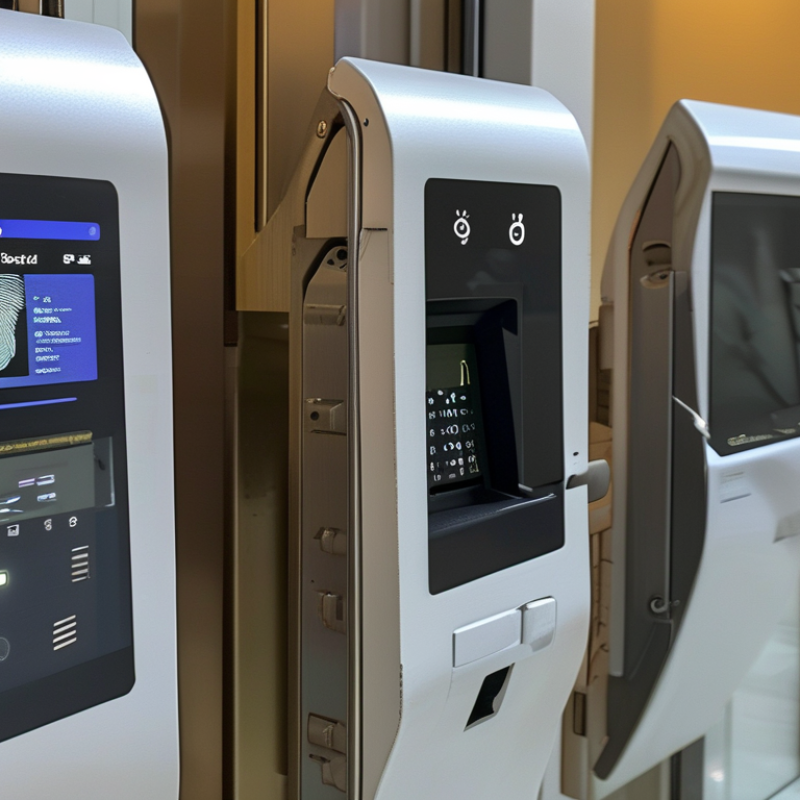
As we look into 2026, biometric attendance machines continue to evolve dramatically. These machines integrate advanced technology, providing reliable and precise attendance tracking. They use fingerprints, facial recognition, or even iris scanning to identify individuals uniquely. This technology minimizes human error and prevents time fraud effectively.
However, despite their advantages, challenges remain. Some users experience difficulties with accuracy as environmental factors can affect performance. For example, poor lighting may hinder facial recognition systems. Moreover, users often express concerns about data privacy and security. Ensuring robust measures to protect sensitive information is crucial in building trust in biometric systems.
In addition, the user experience is vital. Not all machines are intuitive. Some require extensive training, which can hinder efficiency. Companies must prioritize user-friendly designs. This will facilitate smoother adoption and integration into existing systems. Finding a balance between sophisticated features and usability poses an ongoing challenge for developers in the biometric attendance market.
2026 Best Biometric Attendance Machines Overview
Key Features to Look For in a Biometric Attendance System
When selecting a biometric attendance system, certain features stand out. Accurate fingerprint recognition is critical.
Systems should have advanced scanning technology to minimize false readings. Fast processing times are essential for
busy environments. Employees should spend only seconds at the machine, ensuring smooth operations.
Consider the storage capacity of the device. A good system must handle multiple users without lag. It should maintain
a record over long periods. Look for a model that offers easy data access and reporting features. User-friendly
interfaces make a device more intuitive, reducing training time for staff.
Security is another vital aspect. The system must protect sensitive information. Biometric data should be encrypted
and stored securely. Think about integration capabilities as well. A reliable attendance machine should work seamlessly
with existing payroll systems. This compatibility reduces administrative headaches and enhances workflow productivity.
Addressing these elements can lead to a more efficient attendance process, ultimately benefiting your organization.
Top Brands and Models of Biometric Attendance Machines for Global Buyers
In the realm of biometric attendance machines, options abound for global buyers. The key to making an informed choice lies in understanding the features that matter most. Look for devices that offer various identification methods, like fingerprint and facial recognition. Ensure they also have robust security features to protect sensitive data.
Compatibility remains a challenge. Some machines only work with specific systems. Research is crucial to find models that integrate seamlessly with your existing infrastructure. Battery life is another important aspect. Short-lasting batteries can disrupt workflow and diminish reliability.
Consider user experience as well. Complex interfaces may frustrate staff. Simplicity can be more effective in gaining employee acceptance. Selecting the best model involves balancing all these factors. Reflection on past experiences with attendance systems can guide buyers toward more reliable options in 2026.
Comparative Analysis of Pricing for Biometric Attendance Solutions
The shifting landscape of biometric attendance solutions in 2026 reflects an inflation-adjusted pricing model that can be complex. Recent industry data indicates an approximate cost variance of 10-30% across different regions. This disparity arises from manufacturing, software integration, and ongoing support services. As firms seek to adopt these technologies, understanding pricing becomes crucial.
One significant report highlighted that average costs per unit can range from $150 to $1,200 based on features. Premium solutions might include facial recognition or advanced fingerprint sensors. Such features drive up the price but often enhance reliability. Buyers tend to overlook the total cost of ownership, including maintenance, which can escalate over time. The price must be weighed against security enhancements, leading to a conversation on value versus cost.
Businesses are also wary of evolving technology. The lifespan of biometric machines can vary, which impacts long-term investment strategy. Clients should refrain from assuming higher prices equal better quality. A thorough analysis of user reviews and case studies is essential for informed decision-making. This way, organizations can find affordable solutions that meet their needs effectively, despite the fluctuations in the market.
Future Trends in Biometric Technology for Attendance Management
Biometric technology is shaping the future of attendance management. As organizations seek more efficient solutions, the demand for biometric attendance machines is on the rise. These devices use unique physical characteristics, such as fingerprints or facial recognition, to verify identity. This shift offers enhanced accuracy compared to traditional methods.
However, challenges remain. Privacy concerns are paramount. Organizations must ensure data protection measures are in place. Employees may feel uneasy about their biometric data being stored. Transparent communication is essential to build trust. Suppliers should provide clear guidelines on how data will be used and safeguarded.
Tips: Choose a system that integrates with your current software. This will streamline the attendance process and minimize disruptions. Regularly review security protocols to protect sensitive data. Stay updated on emerging technology trends. This ensures your organization maintains a competitive edge. As innovations unfold, the landscape of attendance management will continue to evolve.