Top 10 Benefits of Biometric Security Systems You Need to Know!
In an era where security concerns are at an all-time high, the implementation of advanced technologies has become essential in safeguarding sensitive information and assets. Among these technologies, the Biometric Security System stands out as a revolutionary solution, utilizing unique human characteristics to enhance protection and reduce the risk of unauthorized access. According to Dr. Emily Carter, a leading expert in cybersecurity and biometric innovations, "Biometric Security Systems are not just a trend; they are the future of secure authentication, combining convenience with unparalleled precision."
The advantages of integrating a Biometric Security System into security protocols are vast and impactful. From improved accuracy in identity verification to the elimination of the vulnerabilities associated with traditional password systems, these systems offer a robust framework for ensuring safety in various environments, including corporate, governmental, and personal settings. As we delve into the top ten benefits, it becomes evident that the adoption of biometric technologies is not merely beneficial, but a necessary evolution in the fight against unauthorized access and data breaches, giving users peace of mind in an increasingly digital world.
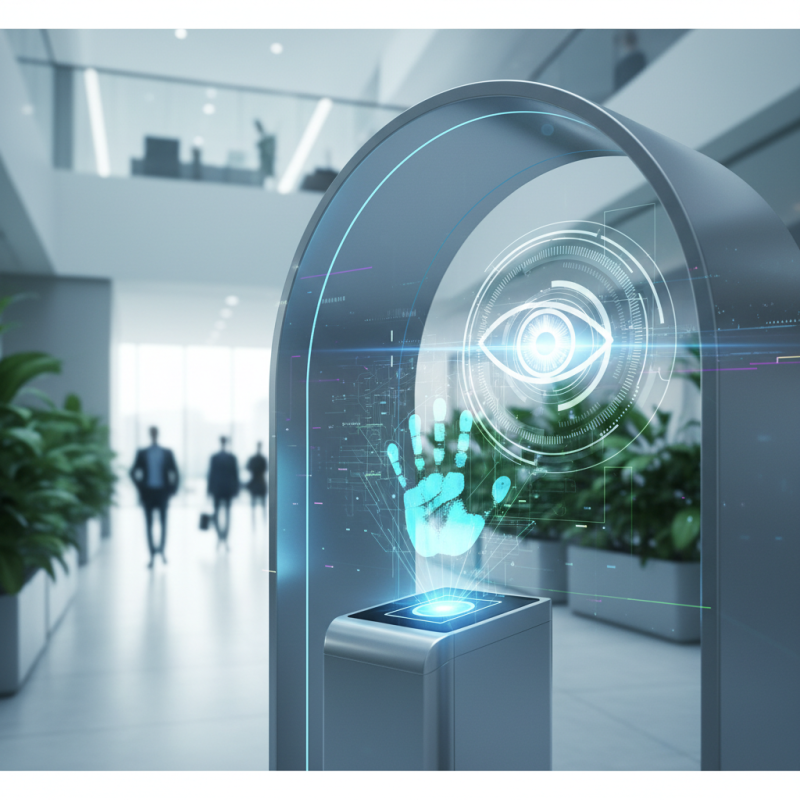
Understanding Biometric Security Systems: A Comprehensive Overview
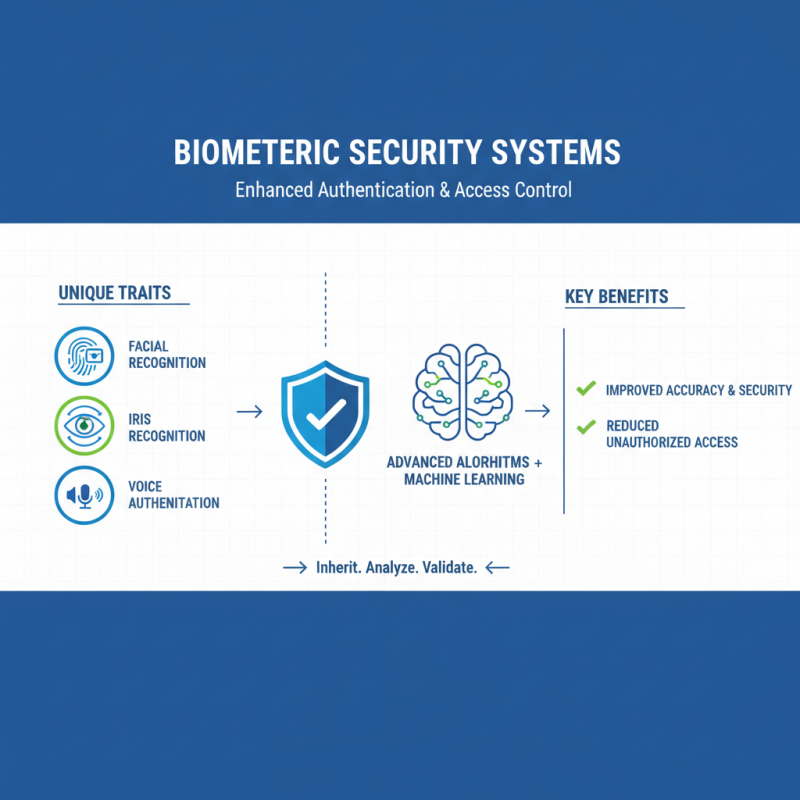
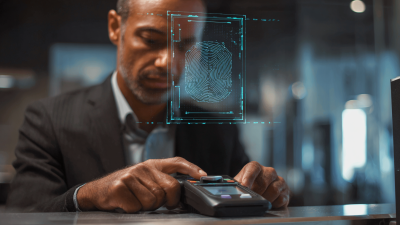
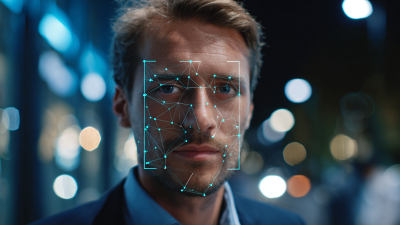
Biometric security systems utilize unique physical and behavioral characteristics for identification and access control, distinguishing them from traditional security methods. Key features include fingerprint recognition, facial recognition, iris scans, and voice authentication, which offer improved accuracy and security by ensuring that individuals are authenticated based on inherent traits. This technology harnesses advanced algorithms and machine learning to analyze and validate these biometric inputs, making unauthorized access significantly more challenging.
A comprehensive overview of biometric security systems highlights their advantages in various applications, such as smartphones, banking, and physical security in facilities. These systems not only enhance security measures but also increase user convenience by eliminating the need for passwords, which can be forgotten, stolen, or easily hacked. By implementing biometric solutions, organizations can bolster their security protocols while streamlining the user experience, leading to greater efficiency and peace of mind for both businesses and individuals.
Enhanced Security: How Biometrics Provide Superior Protection
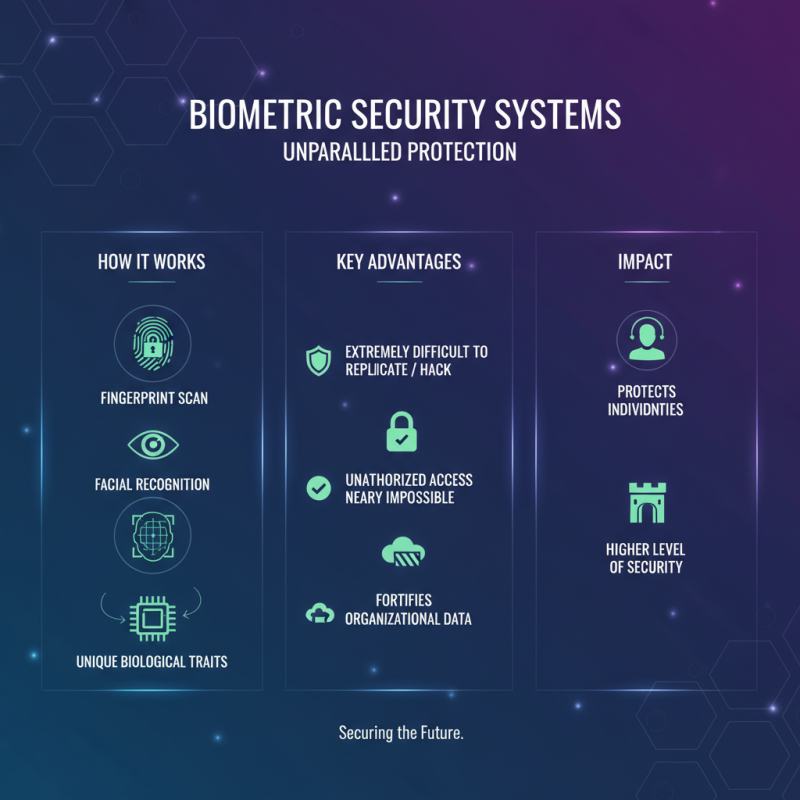
Biometric security systems represent a significant advancement in safeguarding sensitive information and physical spaces. By utilizing unique biological traits—such as fingerprints, facial recognition, and iris scans—biometric systems offer unparalleled protection compared to traditional security measures like passwords or PINs. The inherent uniqueness of these traits means that they are extremely difficult to replicate or hack, making unauthorized access nearly impossible. This enhanced security feature not only protects individual identities but also fortifies organizational data against breaches, ensuring a much higher level of security.
Furthermore, the convenience offered by biometric security systems adds another layer to their superiority. Users no longer need to remember complex passwords or carry multiple access cards; a simple scan can grant or deny entry instantly. This seamless integration of personal identification also reduces the risk of forgotten credentials and the associated frustration. In environments where speed and efficiency are crucial, such as in corporate settings or sensitive facilities, biometrics provide a timely and secure solution. The fusion of convenience and enhanced security positions biometric systems as a premier choice for those seeking robust protection in an increasingly digital world.
Convenience and Accessibility: The User-Friendly Nature of Biometric Systems
Biometric security systems have revolutionized the way we approach user authentication, offering unparalleled convenience and accessibility. One of the most significant advantages of these systems is their ability to streamline access while enhancing security protocols. Rather than relying on passwords or physical keys, biometric systems utilize unique biological traits such as fingerprints, facial recognition, or iris scans. This not only simplifies the login process but also eliminates the frustration of forgotten passwords or lost keys, allowing users to gain immediate access in a few swift actions.
Moreover, the user-friendly nature of biometric systems is evident in their easy integration into daily routines. Many individuals can effortlessly authenticate their identity with just a touch or glance, making these systems ideal for environments ranging from homes to workplaces. The embedded technology is designed to be intuitive, often requiring minimal training for users. As these systems become increasingly commonplace, the emphasis on accessibility ensures that diverse user groups, including those with limited technical skills, can benefit from enhanced security without feeling overwhelmed. This seamless convenience is pushing biometric security systems to the forefront of modern access control solutions.
Reduced Identity Fraud: Minimizing Risks with Biometric Authentication
Biometric authentication technology has emerged as an essential tool in the fight against identity fraud. By utilizing unique biological characteristics such as fingerprints, facial recognition, and iris scans, biometric systems create a highly secure method of verifying identity. Unlike traditional password-based systems, which are susceptible to various hacking techniques, biometric markers are unique to each individual and cannot be easily replicated or shared. This significant difference drastically reduces the chances of unauthorized access and enhances overall security.
In addition to preventing identity theft, biometric security systems significantly streamline user experience. Users no longer need to remember complex passwords or worry about resetting them frequently. The convenience of biometric data not only boosts users' confidence in their security measures but also fosters a more seamless interaction with security systems across numerous applications, from smartphones to financial services. By minimizing the risks associated with identity fraud and improving ease of access, biometric authentication is rapidly becoming a preferred method for safeguarding personal information in an increasingly digital world.
Top 10 Benefits of Biometric Security Systems
Future Trends: The Evolution of Biometric Technology in Security Systems
The evolution of biometric technology has paved the way for enhanced security systems that are increasingly crucial in today's digital landscape. As reported by Global Market Insights, the biometric authentication market is expected to surpass $30 billion by 2025, driven by the rising need for secure transactions and the protection of sensitive information. This rapid growth is largely attributed to advancements in artificial intelligence and machine learning, which are enabling more accurate and reliable biometric recognition methods, such as facial recognition, fingerprint scanning, and retinal identification.
As biometric technologies continue to evolve, organizations must stay updated on the latest trends. One emerging trend is the integration of biometric systems with Internet of Things (IoT) devices, creating a more interconnected and secure environment. According to a report by Fortune Business Insights, the integration of biometrics with IoT is projected to boost demand in sectors like smart homes and healthcare, enhancing access control and user authentication processes.
**Tip:** When considering the implementation of biometric systems, organizations should prioritize user experience. A seamless and user-friendly authentication process can significantly increase adoption rates while ensuring robust security measures are in place. Additionally, regular training and updates for personnel can help mitigate potential vulnerabilities and maintain the integrity of biometric systems.
Another promising trend is the rise of multimodal biometric systems that combine different biometric indicators to enhance accuracy and security. For instance, integrating voice recognition with fingerprint scanning reduces the likelihood of false recognition and increases the robustness of security measures. As biometric technology gains traction globally, adapting to these developments ensures maximum efficiency and reliability in security systems.
**Tip:** When adopting multimodal biometric systems, ensure that adequate data privacy measures are implemented to protect user information and comply with regulations. This not only safeguards sensitive data but also builds trust among users regarding the effectiveness of the biometric security measures in place.