2026 Top Testsealabs Antigen Test for Global Buyers
Global buyers are examining Testsealabs Antigen products with sharper questions in 2026. They want speed, dependable performance, clear documentation, and practical supply support. A box may look simple. The purchasing decision is not.
Dr. Michael Mina, a physician-scientist recognized for his work on rapid antigen testing, has said, “The tests are not perfect, but they are useful.” That caution matters. Antigen tests can support timely screening, yet results depend on timing, sample collection, storage, and user instructions. Buyers should review sensitivity and specificity data, intended use, shelf life, batch information, packaging integrity, and applicable regulatory documentation. They should also confirm whether the product fits professional, institutional, or self-testing requirements in the destination market.
Details matter. A damaged carton, unclear label, or temperature exposure can weaken confidence before testing begins. Strong suppliers provide traceable records, responsive communication, and realistic delivery schedules. They do not promise certainty.
Not every comparison is clean.
Some product pages present impressive figures without enough testing context. That gap deserves attention. Independent verification may be limited, and published performance can differ from field experience. Therefore, this guide considers more than headline claims. It examines usability, quality controls, evidence transparency, and procurement risks surrounding Testsealabs Antigen solutions.
Global buyers need practical judgment, not polished promises. The right choice may vary by setting, population, and distribution system. This 2026 overview offers a careful starting point for evaluating available options, while recognizing that no test replaces professional medical advice or responsible public-health decisions.
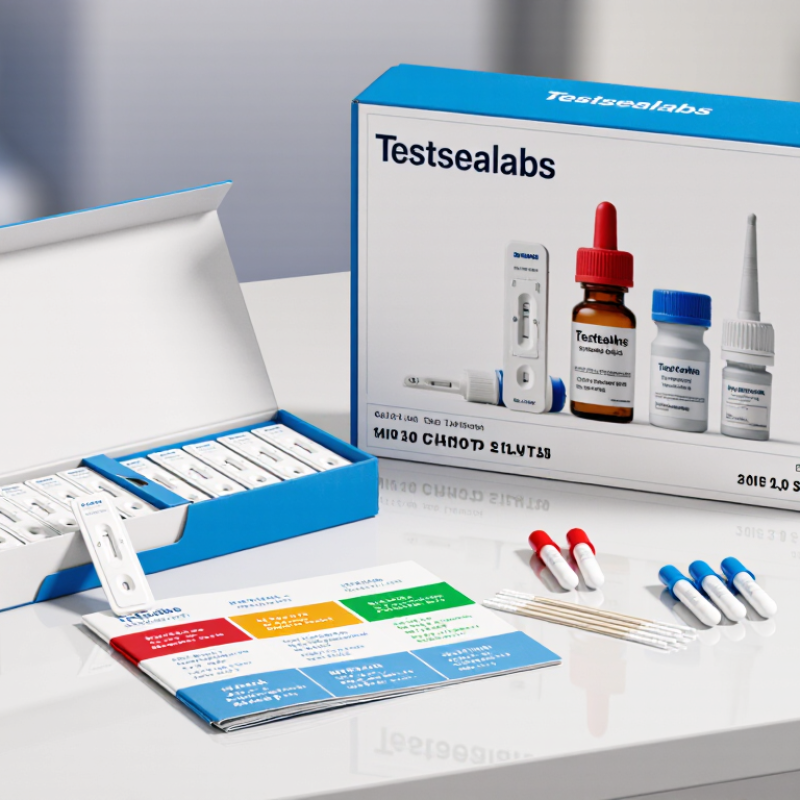
Testsealabs Antigen Tests: Product Overview and Intended Use
Antigen tests are compact in vitro diagnostic tools designed to detect specific proteins from a respiratory pathogen. Most use a nasal swab and a cassette that shows a visible line. They are intended for people with compatible symptoms or recent exposure, depending on product authorization. Read the instructions carefully. A trained user should confirm the sample type, timing, storage range, and result window before testing.
Product design usually includes a sterile swab, extraction tube, reagent, test device, and instructions. Some kits support self-testing, while others require trained personnel or supervised collection. The intended use statement defines who may test, which specimen is accepted, and how results should guide next steps. That wording matters more than attractive packaging. An expired kit, damaged pouch, or overheated reagent can reduce reliability. In practice, users sometimes check results too late, when evaporation creates confusing marks.
A positive result can support prompt medical advice, but it does not identify disease severity or infectiousness. A negative result may miss early infection, low viral levels, or poor sample collection. Repeat testing may be appropriate when authorized instructions recommend it. Seek clinical guidance for worsening symptoms, breathing difficulty, or high-risk health conditions. Use only products legally authorized in the intended market. Record the test time and follow current local guidance.
How Testsealabs Antigen Tests Detect Target Infections
How Antigen Tests Detect Target Infections
Antigen tests identify specific proteins linked to a target infection. A trained user collects a sample, often from the nose or throat. The swab enters a liquid buffer. This step releases proteins from collected material. A small test strip then guides the liquid across treated membranes.
Inside the strip, labeled antibodies attach to matching target proteins. If enough proteins are present, the complex reaches the test area. It forms a visible colored line. A separate control line confirms that the liquid moved correctly. No control line means the result is invalid. Simple, but not foolproof.
Timing affects reliability. Testing too early may miss a developing infection. Low protein levels can also produce a negative result. A positive result usually deserves prompt attention and careful follow-up. A negative result may need repeating when symptoms continue. Read the instructions exactly. Small handling errors matter.
In practical settings, clean hands, correct swabbing, and proper timing improve consistency. Storage conditions matter too. Heat, moisture, or an expired kit can weaken performance. Results should be interpreted with symptoms, exposure history, and professional guidance. I would not treat one strip as absolute proof. That assumption is easy, and often wrong.
How Antigen Tests Detect Target Infections
Antigen tests identify specific viral proteins in a respiratory sample. Because antigen levels can change during an infection, a negative result may require repeat testing, especially when symptoms or exposure risk are present.
Key Test Features for Global Buyers to Evaluate
2026 Top Antigen Tests for Global Buyers
Global buyers should evaluate antigen tests through evidence, not attractive packaging. A reliable product should show clear sensitivity and specificity data from well-designed clinical studies. Independent verification adds confidence, especially when results may guide workplace or community screening. Check the intended sample type, testing time, and target users before comparing prices. A test for nasal samples may not perform similarly with other specimens.
Instructions must remain understandable across languages and skill levels. Look for readable diagrams, color-coded components, and a control line that appears consistently. Test cassettes should be sealed individually, with visible lot numbers and expiration dates.
Storage conditions matter. A product requiring strict temperature control may become difficult during long-distance shipping. Buyers should review stability data for transport and local warehouse conditions.
Regulatory documentation should match the destination market. Confirm quality certificates, performance reports, complaint procedures, and batch traceability. Manufacturing consistency is easy to overlook. Ask for recent lot data, not only an old product brochure.
My practical concern is simple: a test can perform well in a study yet confuse users in a busy clinic. Pilot testing with real operators is worthwhile. Some evaluations may also miss weak positives or unclear lines. That limitation deserves honest review before volume purchasing.
Ordering, Shipping, and Market Access Requirements
Global buyers evaluating antigen tests in 2026 should begin with intended use, not price. Confirm whether the product supports professional or self-testing, then check local authorization requirements. A qualified importer should verify registration status with the destination market’s regulator. Ask for certificates, performance data, quality records, and a current instructions-for-use document. Evidence matters.
Ordering details can prevent costly delays. Request the lot number, expiry date, minimum remaining shelf life, and carton dimensions before payment. A practical purchase order should state quantities, packaging language, temperature limits, replacement terms, and inspection procedures. Keep one retained sample from each shipment when permitted. That small step improves traceability.
Shipping requires careful coordination. Confirm the importer of record, customs classification, commercial invoice, packing list, and required permits. Use a carrier experienced with regulated diagnostic products. Temperature monitoring may be useful, even when the product tolerates ordinary transport. Check every carton on arrival for crushed corners, moisture, broken seals, or unreadable labels. Do not release questionable stock.
Market access also depends on local language, advertising rules, post-market reporting, and complaint handling. Claims should match authorized evidence. Avoid promising perfect accuracy. Some documentation may be incomplete or outdated, so buyers should pause and verify it independently. This is slower, but safer. Local regulatory advice remains valuable when requirements change.