2026 Top Sanitary Napkin Suppliers for Global Buyers?
For global buyers, choosing Sanitary Napkins suppliers in 2026 means looking beyond price and attractive packaging. Product consistency, clear specifications, reliable communication, and dependable delivery all shape a successful sourcing decision. This introduction sets out practical factors to consider when reviewing manufacturers and distributors across different markets.
A useful supplier review starts with product details. Check absorbency options, core and topsheet materials, adhesive performance, sizes, and packaging formats. Ask for current product specifications and relevant quality documentation, then confirm how samples compare with production orders. Manufacturing capacity and lead times also matter, especially when demand changes or a launch date is fixed. Details matter.
Look closely at minimum order quantities, customization choices, and the supplier’s process for handling complaints or quality concerns. A polished catalog does not prove consistent production. No supplier is perfect. Gaps in documentation or vague answers deserve a follow-up, not an assumption. Buyers should also verify applicable product, labeling, and import requirements in each destination market, since expectations can vary. This guide is intended to help buyers compare potential partners with care, ask sharper questions, and balance cost against evidence of quality and service. A careful shortlist may take longer, but it can reduce avoidable surprises later.
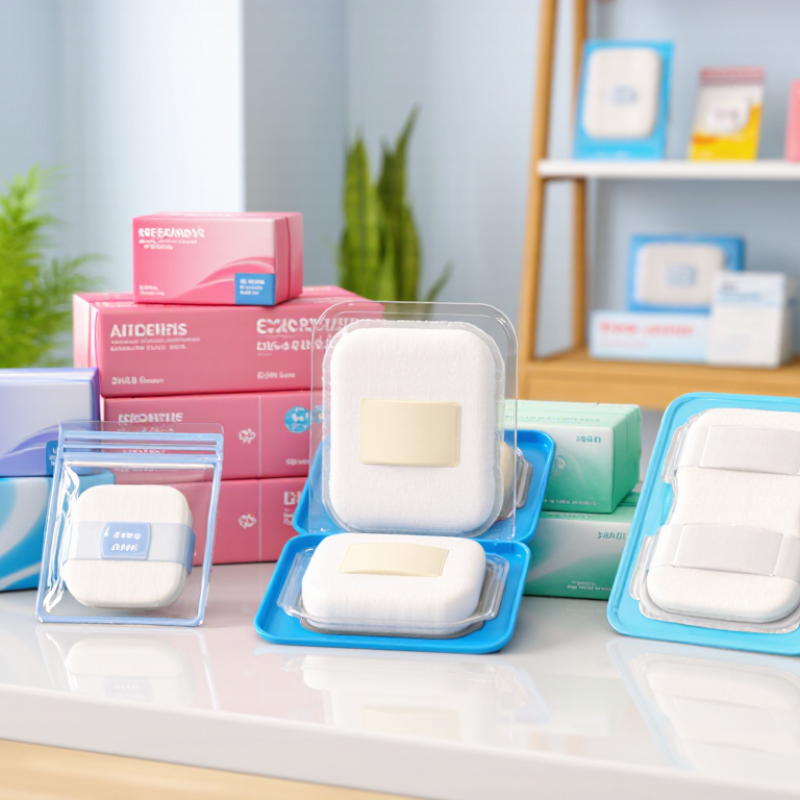
Sanitary Napkin Suppliers: Market Roles and Product Categories
Sanitary napkin suppliers serve different roles across the product chain. Manufacturers develop absorbent cores, topsheets, backsheet films, and adhesive systems, then convert them into finished pads. Some suppliers also offer contract manufacturing, while distributors manage local inventory, packaging requirements, and delivery. These roles matter: a buyer seeking custom absorbency may need a manufacturer, while a regional retailer may value dependable stock and clear specifications more.
Product categories vary by fit and use. Day pads are often thinner and shorter; overnight versions typically provide greater coverage and longer cores. Buyers may also compare winged and wingless designs, scented and unscented options, and different topsheet materials. Grand View Research estimated the global feminine hygiene products market at USD 40.3 billion in 2023, with projected growth through 2030. This broad market includes more than sanitary napkins, so it should not be read as napkin-only sales. A useful supplier check is practical: request absorbency details, dimensions, material disclosures, and sample packs, then compare performance under real wear conditions. Labels can look reassuring. They are not the whole story. Even supplier catalogs may leave questions about consistency between batches, and that deserves a closer look.
2026 Top Sanitary Napkin Suppliers for Global Buyers? – Sanitary Napkin Suppliers: Market Roles and Product Categories
| Supplier Type | Typical Market Role | Common Product Categories | Capabilities Buyers May Need | Key Checks for Global Buyers |
|---|---|---|---|---|
| Integrated manufacturers | Manufacture finished products and may manage several production stages, from material sourcing to packaging. | Day and night pads, winged pads, pantyliners, and selected maternity or postpartum pads. | High-volume production, quality-control systems, product development, and export documentation. | Confirm factory scope, production capacity, quality procedures, product specifications, and applicable market requirements. |
| OEM and private-label manufacturers | Produce goods to a buyer’s specification or supply products for sale under the buyer’s own label. | Standard or customized disposable pads, liners, packaging formats, and absorbency options. | Specification matching, packaging customization, sample development, and coordination of production orders. | Agree on ownership of artwork and specifications, minimum order quantities, lead times, inspection criteria, and change-control procedures. |
| Specialist material and component suppliers | Supply inputs to manufacturers rather than necessarily selling finished sanitary napkins. | Absorbent cores, nonwoven topsheets, backsheet films, release paper, adhesives, and packaging materials. | Material consistency, technical data, lot traceability, and reliable supply planning. | Request material specifications, safety documentation where relevant, test information, and confirmation of suitability for the intended product. |
| Regional converters and contract manufacturers | Convert raw or semi-finished materials into finished products, sometimes closer to the destination market. | Disposable pads and liners made to agreed designs, sizes, and packaging configurations. | Flexible production runs, local or regional fulfillment, and coordination with material suppliers. | Clarify which production steps are performed in-house, where materials originate, and how finished-product quality is verified. |
| Reusable-product manufacturers | Manufacture washable menstrual products for buyers seeking reusable alternatives to disposable pads. | Washable cloth pads, reusable liners, and related fabric-based menstrual products. | Fabric and layer specifications, stitching consistency, sizing options, and care-label information. | Review fabric composition, care instructions, durability claims, product testing, and applicable textile labeling requirements. |
| Specialist and premium-product manufacturers | Focus on defined product features, such as particular materials, designs, or user requirements. | Ultra-thin pads, extra-long night pads, fragrance-free products, and products designed for sensitive-skin positioning. | Precise specification control, documented material choices, and product testing appropriate to stated claims. | Check that claims such as “hypoallergenic,” “organic,” or “biodegradable” are supported by suitable evidence and meet destination-market rules. |
| Importers and distributors | Purchase finished products for resale and may provide warehousing, market access, or distribution services. | Locally stocked disposable pads, liners, and other menstrual-care products from multiple production sources. | Inventory management, delivery coordination, language-specific packaging support, and local channel coverage. | Verify authorization to supply the products, traceability, storage conditions, delivery terms, and responsibility for local compliance. |