Skip To Content

2026 Best Glycine Powder Type for Global Buyers?

Choosing the best Glycine Powder in 2026 requires more than comparing prices or reading polished supplier descriptions. Global buyers must examine purity, production grade, particle size, solubility, packaging, and documented supply stability. A bright white powder may look reliable, yet appearance alone cannot confirm quality. The real evidence appears in a current certificate of analysis, batch identification, testing methods, and traceable manufacturing records.

Different applications demand different specifications. Food and beverage manufacturers may prioritize food-grade compliance, clean taste, and consistent dissolution. Pharmaceutical and healthcare buyers often require tighter impurity controls, validated testing, and stronger documentation. Industrial users may focus on technical performance, moisture limits, and cost efficiency. These details matter in practical settings, from a powder dispersing in a clear drink to sealed bags surviving humid ocean transport.

No single type wins everywhere. That is important. A supplier with attractive pricing may offer limited technical support, while a premium producer may not suit every budget. Buyers should verify certifications, export experience, labeling accuracy, shelf-life data, and local import requirements before placing an order. Independent laboratory confirmation can also reduce uncertainty, especially when purchasing large volumes.

This guide evaluates the 2026 Glycine Powder market through an evidence-based lens. It considers product suitability, supplier credibility, logistics, and risk control. Some recommendations may remain imperfect because regional standards and application needs differ. Still, careful comparison creates a stronger purchasing decision. Reliable sourcing is not about choosing the cheapest powder. It is about matching verified quality with the buyer’s actual use, market, and responsibility.
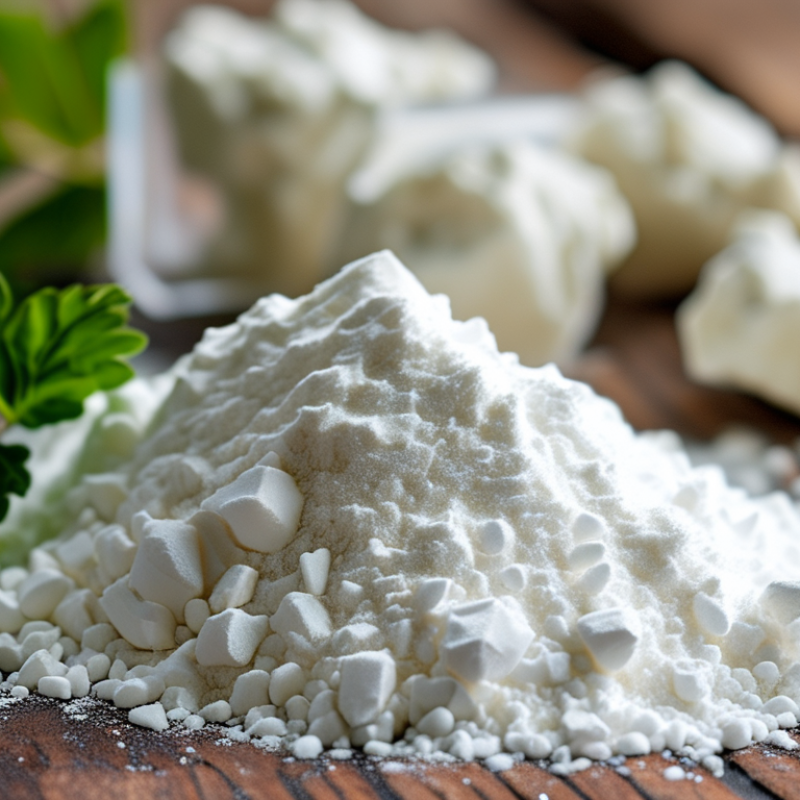
2026 Best Glycine Powder Type for Global Buyers?

What Is Glycine Powder and Why Does Its Type Matter?

Glycine powder is a crystalline amino acid used in nutrition, food processing, pharmaceuticals, and animal feed. Its type matters because each application demands different purity, testing, and physical performance. Food-grade powder may support formulation needs, while pharmaceutical-grade material requires tighter controls for identity, impurities, and microbial quality.

The FAO/WHO JECFA specification lists glycine as food additive INS 640 and describes an assay range of 98.5–101.5%. That figure is useful, but it is not the whole story. Buyers should also review moisture, particle size, solubility, heavy metals, and packaging conditions. USP–NF testing adds another professional reference for pharmaceutical procurement. These standards help separate a reliable specification from a polished sales sheet.

Powder behavior can change production results. Fine particles dissolve quickly in a clear beverage, but they may create dust during handling. Coarser particles reduce airborne dust, yet they can dissolve more slowly. Experienced buyers compare certificates of analysis with independent laboratory results when the order is important. Supplier audits, batch traceability, and transport records deserve attention too. I would not choose the lowest price automatically. A low-cost grade may create extra filtration, rework, or delayed release. One detail is often missed: “high purity” does not always mean “best fit.”

Which Glycine Powder Types Are Available to Global Buyers in 2026?

Global buyers can source several glycine powder types in 2026. Food-grade glycine suits beverages, seasonings, and nutritional formulations. Pharmaceutical-grade powder requires tighter purity, moisture, and microbial controls. Feed-grade material supports livestock and aquaculture applications. Technical-grade glycine may serve industrial processing, but it needs careful end-use screening.

Production method matters. Synthetic glycine often offers stable supply and competitive pricing. Fermentation-derived glycine may appeal to buyers seeking a different sourcing profile, although availability varies by region. High-purity powder is preferred for laboratory and pharmaceutical applications. Particle size also affects performance. Fine powder dissolves quickly, while larger particles can reduce dust during handling.

Industry data needs caution. IMARC Group estimated the global amino acids market at about USD 27.8 billion in 2024, with continued growth expected through 2033. Glycine represents only one segment, so broad market figures should not determine purchasing decisions. UN Comtrade trade data also groups some amino acids under wider customs categories, limiting precise glycine comparisons. This is easy to overlook.

For qualification, buyers should request a current certificate of analysis, specification sheet, origin statement, and batch traceability records. Check assay, loss on drying, heavy metals, microbial limits, and packaging integrity. A lower price may hide higher testing or transport costs. Supplier claims still require independent review.

2026 Best Glycine Powder Type for Global Buyers? - Which Glycine Powder Types Are Available to Global Buyers in 2026?
Glycine Powder Type Typical Quality Standard Common Assay Range Typical Particle Format Main Global Applications Best Fit for Buyers Key Buying Checks
Food-Grade Glycine Powder Food-additive specifications; may be supplied with HACCP, ISO 22000, or equivalent food-safety documentation Commonly about 98.5%–101.5%, depending on the applicable specification Fine white crystalline powder; standard or custom particle-size distribution Food formulation, flavor balancing, nutritional products, beverages, and processing aids Food manufacturers, supplement formulators, and importers requiring food-use documentation Food-law compliance in the destination market, allergen statement, heavy metals, microbiology, and certificate of analysis
Pharmaceutical-Grade Glycine Powder Produced and tested against a recognized pharmacopoeial or pharmaceutical quality system Often specified around 98.5%–101.5%; the exact range depends on the monograph and test method Fine crystalline powder with controlled impurities and particle-size requirements where applicable Pharmaceutical formulations, infusion-related products, laboratory preparations, and regulated nutraceuticals Buyers needing higher documentation, traceability, and controlled impurity profiles USP–NF, Ph. Eur., BP, or destination-market requirements; residual solvents, elemental impurities, endotoxins where relevant, and GMP evidence
Feed-Grade Glycine Powder Animal-feed additive or feed-material specifications, subject to the regulations of the importing country Commonly near 98% or higher, but the contractual specification must be confirmed White crystalline powder; particle size may be adjusted for premix handling Livestock, poultry, aquaculture, premixes, and compound-feed formulations Feed producers prioritizing nutritional function and cost-efficient bulk supply Feed-additive registration, contaminant limits, microbiological safety, traceability, and non-human-food-use labeling where required
Technical or Industrial-Grade Glycine Industrial specification rather than a food or pharmaceutical monograph Varies by application and contract; do not assume food or pharmaceutical suitability Fine powder or crystalline material, depending on process requirements Metal treatment, electroplating formulations, chemical processing, and other industrial uses Industrial users seeking functional performance and competitive delivered cost Impurity profile, compatibility with the process, safety data sheet, customs classification, and confirmation that the material is not intended for ingestion
Ultra-Fine Glycine Powder A particle-size designation that can be combined with food, feed, or pharmaceutical quality Usually follows the underlying grade specification; particle size does not by itself prove purity Very small particles with increased surface area and faster dispersion than standard powder Powder blends, capsules, premixes, laboratory work, and applications requiring rapid dispersion Buyers needing improved blending or dissolution behavior Laser-diffraction particle-size report, dust control, flowability, moisture protection, and safe handling procedures
Granulated or Agglomerated Glycine A physical form designed to improve flow and reduce dust; quality grade must be specified separately Generally follows the food, feed, or pharmaceutical grade selected by the buyer Larger, engineered particles with improved flowability and reduced powder dust Automated dosing, sachets, tablet blends, premixes, and high-throughput production lines Manufacturers that experience bridging, dust, or feeding problems with fine powder Granule-size distribution, friability, dissolution or dispersion time, bulk density, and compatibility with the production line
Fermentation-Derived Glycine Manufacturing-route description; the final grade is determined by purification and the applicable specification Depends on the final food, feed, pharmaceutical, or technical specification Typically supplied as a white crystalline powder after purification and drying Applications where production route, sustainability, or biotechnology documentation is commercially important Buyers with route-specific, sustainability, or clean-label procurement criteria Manufacturing-route evidence, source materials, residual impurities, regulatory acceptance, and life-cycle documentation
Standard Crystalline Glycine Powder General-purpose crystalline glycine identified by CAS 56-40-6 Purity varies by grade; buyers should rely on the contractual specification and certificate of analysis White, odorless crystalline powder; glycine has a molecular weight of approximately 75.07 g/mol General formulation, research, blending, and applications where a specialized particle format is unnecessary Global buyers comparing standard specifications and delivered cost CAS number, assay, moisture, chloride, sulfate, heavy metals, packaging integrity, shelf life, and destination-country import rules
Buyer note: Grade names and assay ranges are not globally uniform. Before purchasing in 2026, confirm the destination-market regulations, intended use, applicable monograph or feed standard, certificate of analysis, safety data sheet, packaging, and shipping conditions.

How to Compare Glycine Powder Purity, Grade, and Performance

2026 Best Glycine Powder Type for Global Buyers?

How to Compare Glycine Powder Purity, Grade, and Performance

For global buyers, the best glycine powder is not always the highest assay number. Comparison should begin with the intended use. Food, pharmaceutical, feed, and technical applications require different specifications. A certificate of analysis should show assay, moisture, heavy metals, microbial limits, and test methods. Ask whether results represent each lot or only a general specification sheet. That distinction matters. In purchasing reviews, clear traceability often predicts fewer surprises than a low quoted price.

Purity is only one part of performance. Check particle size, solubility, flow, odor, color, and storage stability. A fine powder may dissolve quickly, yet create dust during handling. Larger particles may flow better but dissolve more slowly. Grade should match market requirements and internal process controls. Request samples, then test them under real conditions, including water temperature, mixing time, and packaging format. Laboratory data can look excellent. Factory behavior may differ. This is where buyers sometimes misjudge the material.

Tips: Compare three recent lots, not one sample. Confirm the testing method and production date. Review packaging after transport simulation, especially in humid regions. Ask for allergen, origin, and traceability documents when required. I would not rely on appearance alone; white powder is not proof of superior quality. My own approach would include a small trial order, because supplier documents cannot reveal every handling problem.

What Quality Standards and Tests Should Buyers Check?

2026 Best Glycine Powder Type for Global Buyers?

For global buyers, the best glycine powder is not always the whitest or cheapest option. Start by defining its use: food, nutrition, laboratory work, or pharmaceutical manufacturing. Each application requires different specifications and controls. Request a current certificate of analysis for every production lot. It should state identity, assay, moisture, pH, and appearance. A clear specification matters more than attractive marketing language.

Ask how identity is confirmed. Suitable methods may include infrared testing, chromatography, or another validated technique. Assay results should show the actual glycine content, not only a pass statement. Check limits for heavy metals, microbial counts, and unwanted impurities. Moisture testing is important because damp powder may cake during shipping. For sensitive applications, review residual solvents and endotoxin controls where relevant. Testing should follow recognized pharmacopeial, food, or customer standards.

Do not rely on one document.

Review the laboratory’s accreditation, test methods, detection limits, and report dates. Independent verification can expose differences between a supplier’s sample and the shipped lot. Examine batch numbers, tamper-evident packaging, storage conditions, and traceability records. Particle size and bulk density also affect blending, filling, and dissolution. I would question any report with perfect results but no method details. That may be unfair, but experience shows that missing context creates risk. Supplier audits, retain samples, and periodic re-testing provide stronger evidence than a single certificate.

How to Choose a Reliable Glycine Powder Supplier Worldwide

2026 Best Glycine Powder Type for Global Buyers?

Choosing a reliable glycine powder supplier requires more than comparing prices. The global amino acids market was valued at about USD 27 billion in 2023, according to Grand View Research, with continued growth expected through 2030. This expansion attracts new suppliers, but not every listing offers consistent quality. Buyers should request a recent certificate of analysis for each lot. Check assay, moisture, heavy metals, microbiological limits, and identification results. A clear specification matters.

Reliable suppliers should provide traceability from raw material to finished powder. Look for documented quality systems, validated testing methods, and independent laboratory verification. ISO 9001 can indicate controlled processes, while food-grade buyers may require HACCP or recognized food-safety certification. USP or FCC-aligned testing may also support technical evaluation, depending on the intended application. Ask for production dates, shelf-life data, packaging details, and storage conditions. Small details matter.

Logistics deserve equal attention. UNCTAD’s Review of Maritime Transport reports that more than 80% of global merchandise trade moves by sea, so moisture protection and shipment planning are essential. Use sealed, food-contact-safe packaging with visible lot numbers. Request a pre-shipment sample when possible. A low quote may hide weak documentation, inconsistent particle size, or delayed export handling. No checklist is perfect. I would still audit the supplier’s response speed, because vague answers often appear before larger quality problems.